











In just one year, the share of certified warehouse space has increased from 53 to 77 percent, and warehouse facilities now account for over 54 percent of all certified buildings in the country.[1] This is due to the growing pressure in the logistics sector to adapt buildings to requirements related to CO₂ emission reduction, both due to EU regulations and the increasing awareness of tenants.
The market demands green warehouse solutions
More and more companies are treating investments in ecological construction not as a cost, but as a strategic business decision. Pressure from the business environment means that environmentally friendly distribution centers are becoming a market standard. According to data presented in the PLGBC report “Sustainable Certified Buildings 2025”, over the course of a year – from March 2024 to March 2025, the number of certified buildings increased by 10 percent. We currently have 2,456 of them in Poland, of which 54 percent are warehouse facilities. Their number is growing year by year. In 2024, 53 percent of warehouses were certified, while in March 2025, it was already 77 percent, which only shows the strength of the growing trend.
Logistics platforms play a key role in sustainable construction today, accounting for more than half of the certified buildings in the country. Our facilities in Wiskitki, Będzin, Olszowa, and Błonie have been awarded the LEED certificate, which means they meet some of the highest sustainable construction standards in the world. This is of immense value in customer relations, increasing the competitiveness of our offer. EU requirements mean that companies must change their operating models and supply chain management, and modern facilities designed with CO₂ emission reduction in mind are becoming a strategic asset.
– says Mariusz Gajek, Technical Director for Central Europe at FM Logistic.
Sustainable building certificates are confirmation that the declarations of logistics operators regarding ecological solutions do not remain merely at the level of promises. The most common ones are BREEAM and LEED, which assess facilities in terms of their environmental impact. Assessment criteria include location, water management, energy efficiency, material selection, and indoor environmental quality.
Sustainable warehouse in practice
In modern distribution centers, environmentally friendly solutions are implemented on many levels – from energy production and recovery, through rational resource management, to ensuring comfortable working conditions for teams. Energy-saving LED lighting with motion sensors, energy management systems, and renewable energy sources have become standard equipment.
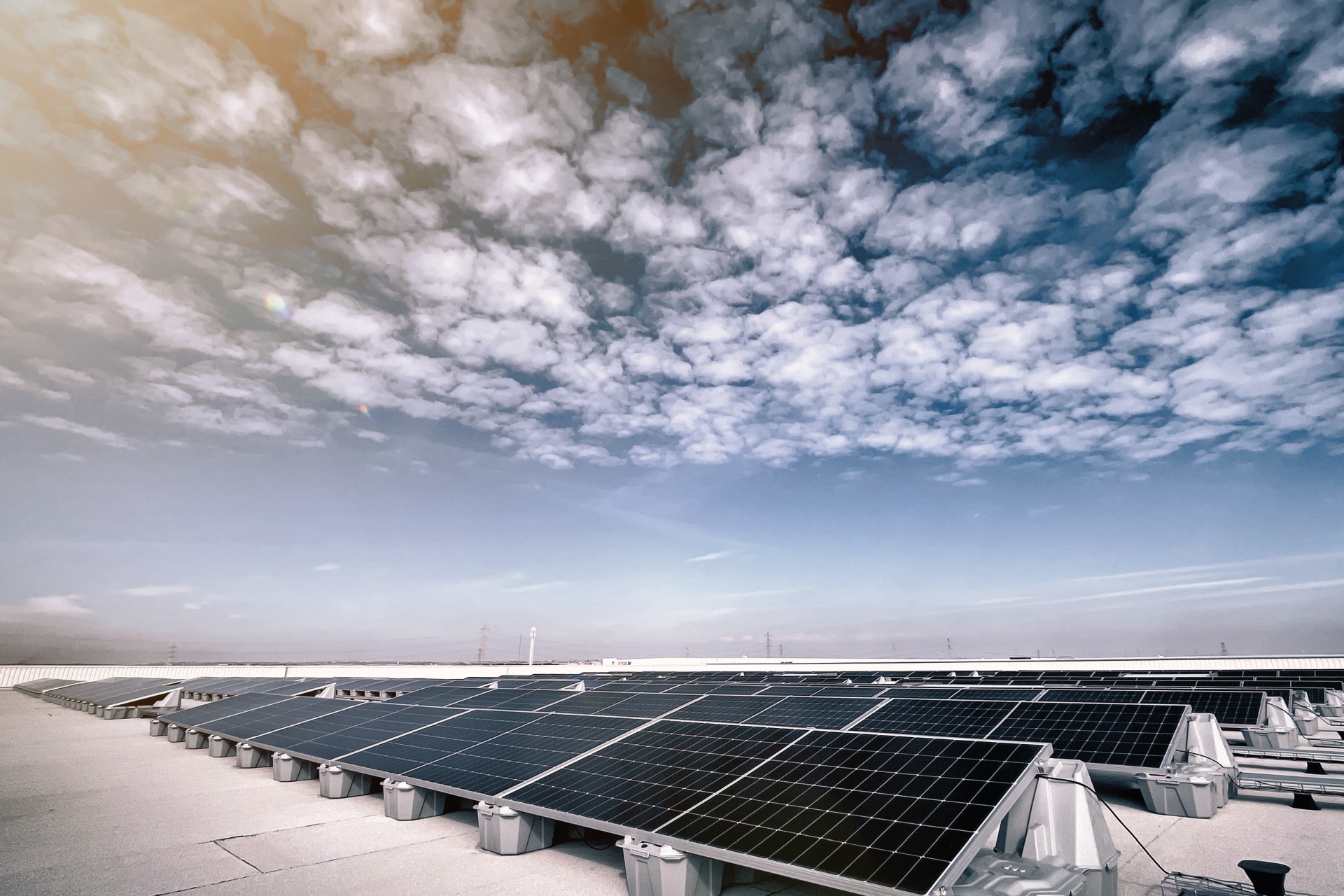
The most commonly used solution is photovoltaic panels, which significantly reduce CO₂ emissions.
Photovoltaic panels with a capacity of 350 kWp installed at our facility in Wiskitki allow us to produce our own electricity. Thanks to this, we reduce the demand for energy from the grid, but above all, we reduce CO₂ emissions by as much as 249 tons per year. We also strive to ensure that the energy we use is as green as possible, which is why we choose certified energy from renewable sources at the purchasing stage.
– emphasizes Mariusz Gajek from FM Logistic.
Equally important are heat recovery systems, which limit the negative impact of warehouse operations on the environment. Increasingly, facilities are switching to heating based on heat pumps powered by electricity from photovoltaic panels. Surplus energy produced efficiently by heat pumps can be transferred to other places in the building thanks to the integration and connection of the heat pump heating network with heating from the boiler room. Keeping the produced heat inside the facility also remains key.
Intensive traffic on a logistics platform involves frequent air exchange and, consequently, heat loss. To limit energy losses, we implemented a proprietary solution at the platform in Wiskitki in the form of special dock curtains and applied thermal insulation to the dock foundation. Thanks to this, we reduce heat loss and improve work comfort.
– says Mariusz Gajek.
Intelligent control systems also play a major role in the energy management of modern warehouses, allowing not only for ongoing monitoring of consumption and flow control but also for adjusting conditions to the specifics of the stored products.
The optimization of our facilities’ operation is overseen by a BMS system, which allows for remote management of utilities and their efficient use. Thanks to this solution, it is possible to reduce energy consumption by even a dozen or so percent per year and react quickly to any irregularities. This tool allows us to simultaneously maintain the highest standards regarding temperature and humidity parameters for stored goods.
– adds Mariusz Gajek.
Certified warehouses as real value for tenants
The share of certified warehouse space is systematically growing, and the main beneficiaries of this trend are tenants, who gain access to modern, sustainable facilities that better meet their operational and environmental requirements. The high energy efficiency of such warehouses allows them to optimize operating costs through lower utility bills, which translates into measurable savings in the long term. Using sustainable facilities also supports the reporting process – manufacturers and distributors can reduce their carbon footprint, which is reflected in better environmental indicators.
[1] Report of the Polish Green Building Council PLGBC “Sustainable Certified Buildings 2025”
Source: FM Logistic Central Europe