











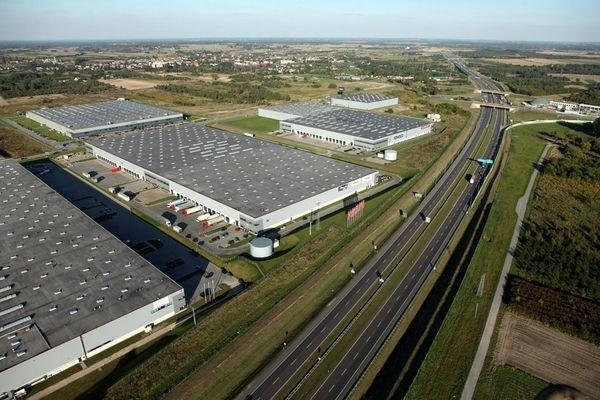
As research conducted by CBRE among developers, investors, and tenants shows, the appetite of European tenants for warehouse and logistics real estate will clearly increase over the next two years. According to 81% of respondents holding senior positions in their companies, the growing e-commerce segment and its impact on the supply chain will cause the demand for logistics real estate to rise.
The research results also suggest that logistics operators providing services for e-commerce, as well as retail chains, will generate a large portion of the demand for logistics space.
The growing share of online retail is already a driver of tenant activity in the logistics sector and is influencing both national and international logistics markets, as well as smaller properties located in cities or suburbs. Over the last two years, this trend has had a significant impact on the activity of logistics tenants operating in European markets such as Germany, the Netherlands, and the UK. However, it is in Germany, as well as in Central and Eastern Europe, that the largest growth in demand is expected, reflecting the relatively good economic situation of these countries. 34% of respondents indicated that over the next two years, the largest growth in tenant demand for warehouse and logistics real estate will take place in Central and Eastern Europe, with Poland being the strongest market.
– For Poles, even if they shop online, physical access to a store remains important – 49% of those surveyed by CBRE as part of the ‘How We Shop’ report declared that they want to see and touch goods before making a purchase decision. On the other hand, home delivery is our preferred method of receiving goods when we shop online – this applies mainly to clothing products. Given the above, it can be expected that in the near future, changing consumer habits will also be reflected in the changing logistics real estate market – said Magdalena Frątczak, Director of the Retail Department at CBRE in Poland.
To meet the growing demand of tenants for warehouse and logistics real estate, there is a need to build new space, especially since the technical requirements for warehouses serving e-commerce are more advanced than those used in existing properties to date. Nearly 20% of respondents identified the inadequacy of existing warehouse stock as a factor hindering growth. Currently, approximately 250,000 sqm of modern logistics space is under construction in Poland, which is a response to the growing demand from tenants. Long terms of current lease agreements were cited as a factor hindering the supply of new space by 29% of respondents, while only 13% mentioned obstacles related to the lack of access to debt financing.
– The results of our study show that there is growing demand for new logistics space that would support the needs of European tenants. The growing popularity of e-commerce in Europe significantly impacts the demand for industrial real estate, both in the traditional warehouse market and for the needs of specialized parcel distribution hubs and logistics units. Among our clients, we are observing an increase in interest in these types of properties, and the largest growth in demand will likely take place in Germany and Central and Eastern Europe – claims Richard Holberton, Director of European Industrial and Logistics Research at CBRE.