








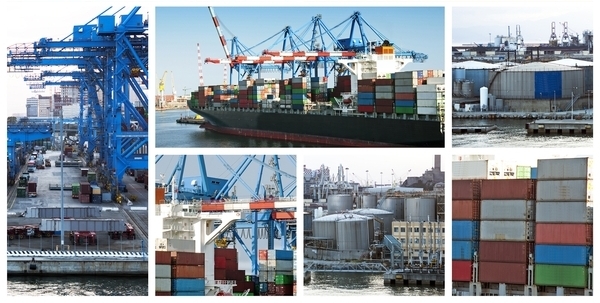
Work has begun on designing an integrated communication platform, the “Polish Port Community System,” for the development of the Polish maritime economy, the import and export of goods, and the improvement of their flow efficiency across all modes of transport.
On December 14th of this year, an organizational meeting was held at the Port of Gdynia Authority to present the scope and schedule for preparing the Feasibility Study for the Polish PCS and to establish Working Groups for the implementation of specific tasks. The meeting participants agreed that the development of the Polish PCS Feasibility Study must take into account the needs and benefits of improving the efficiency and effectiveness of all port and border trade stakeholders, process-based cooperation between partners, data sharing using digital services, the use of modern vessel and land transport tracking systems, cargo and goods flow monitoring, better utilization of infrastructure, and the interconnection of IT systems. Preliminary results of process and data flow analyses between the maritime container terminal and business and administration partners were presented, using the cargo handling operations of the Baltic Container Terminal (BCT) as an example. The company Pentacomp presented best practices and experience regarding the ICT architecture of PCS systems worldwide, and an expert from the Institute of Logistics discussed global business models (including public-private partnerships) as well as organization and management models for the PCS platform. The initiative to begin PCS design work has energized the community and met with great interest from partners across the entire Pomerania region, from Świnoujście and Szczecin to Gdańsk and Gdynia. The meeting was attended by over 60 participants representing 30 partners, including those from business (port terminals, road and rail carriers, shipowners, logistics operators, freight forwarders, ICT companies, Port Stakeholder Councils) and administration (Ministry of Finance, Ministry of Development, Customs Chambers and Offices, Border Inspections, Maritime Offices, Border Guard, Port Authorities), as well as maritime industry media.
The partners adopted a preliminary schedule for the PCS Feasibility Study of approximately 3-4 months and established five thematic Working Groups, which over 40 meeting participants signed up for. Work on the PCS Feasibility Study will maintain an open and flexible cooperation formula for all partners throughout the process. The Working Groups will perform functional and process analyses and propose preliminary solutions in five thematic areas of the Feasibility Study:
– processes and functional utility of the PCS platform,
– IT and telecommunications architecture and digital services,
– information and document flow, as well as standardization and interoperability,
– legal regulations and procedures required for communication on the PCS platform and its operation,
– business model of the Polish PCS and the organization and management of the platform after its creation.
The Institute of Logistics and Warehousing (ILiM) has undertaken the coordination of cooperation among all stakeholders in maritime, port, customs, trade, forwarding, and transport-logistics processes, etc., in order to prepare the Feasibility Study for the Polish PCS, which will incorporate a common organizational, functional, and IT concept for the system. The Ministry of Development indicated the need for the work to be coordinated by the Institute of Logistics and Warehousing as an experienced and trusted partner. The Institute’s work will be coordinated substantively and organizationally by Professor Bogusław Śliwczyński from ILiM.