








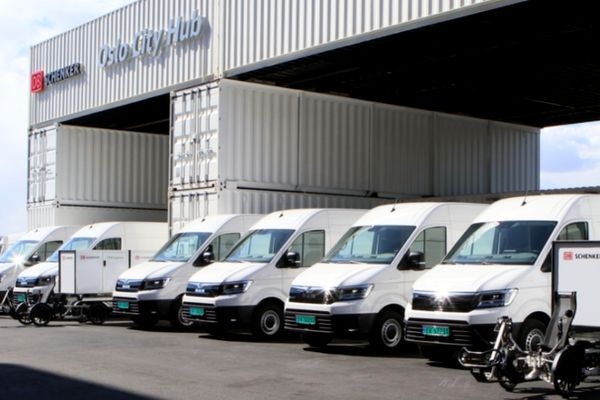
DB Schenker, a logistics service provider, is opening its first low-emission distribution center in Oslo. The new terminal will allow for an 80% reduction in CO2 emissions from goods deliveries.
This will be possible thanks to the use of electric vehicles and e-bikes. The Oslo City Hub is part of Electric City, which focuses on activities related to the status of European Green Capital in 2019. DB Schenker aims to achieve zero emissions across its entire distribution network in Norway by the end of 2020. The Oslo City Hub project is the first element in the implementation of this plan.
– Digitalization and more sustainable solutions will be key factors for competitive advantage in the logistics of the future. At DB Schenker, we have already begun this future – says Jochen Thewes, CEO of DB Schenker. – With the low-emission Oslo City Hub, we are taking another step towards a radical reduction of CO2 emissions in our daily logistics operations.
The Oslo City Hub is located at Filipstadkaia, in the center of Oslo. The building is constructed from shipping containers and organized in a way that enables efficient handling of goods. The facility covers an area of 457 square meters. All goods will be delivered by electric trucks and e-bikes.
DB Schenker attaches great importance to sustainability. As a member of the EV100 initiative, it intends to gradually replace diesel engines with electric ones in transport and distribution by 2030. The company is setting new standards for smart mobility – in partnership with the Swedish startup Einride, it has deployed the world’s first autonomous electric truck for commercial operations. In the air and ocean freight sectors, DB Schenker collaborates with carriers, entering into agreements and arrangements regarding sustainable transport solutions. Since 2010, it has been offering customers green transport solutions based on the best-developed data.