








By partnering with Konica Minolta for logistics services, DB Schenker faced the challenge of designing and implementing tailored logistics solutions that effectively combine several operational processes, including elements based on the circular economy, which are crucial for the manufacturer. Today, both companies are celebrating the anniversary of this partnership, highlighting the reliability and high quality of the services provided.
– Our cooperation with Konica Minolta confirms our commitment to sustainable development, an essential part of which is logistics for the circular economy. I am very pleased that through this project, we are developing additional competencies as a logistics operator. The comprehensive solutions applied by our Solution Design team take into account logistics operations, IT systems, and building infrastructure to support the specifics of the client’s business – says Dariusz Doroś, Contract Logistics Director in the North East Europe cluster, DB Schenker.
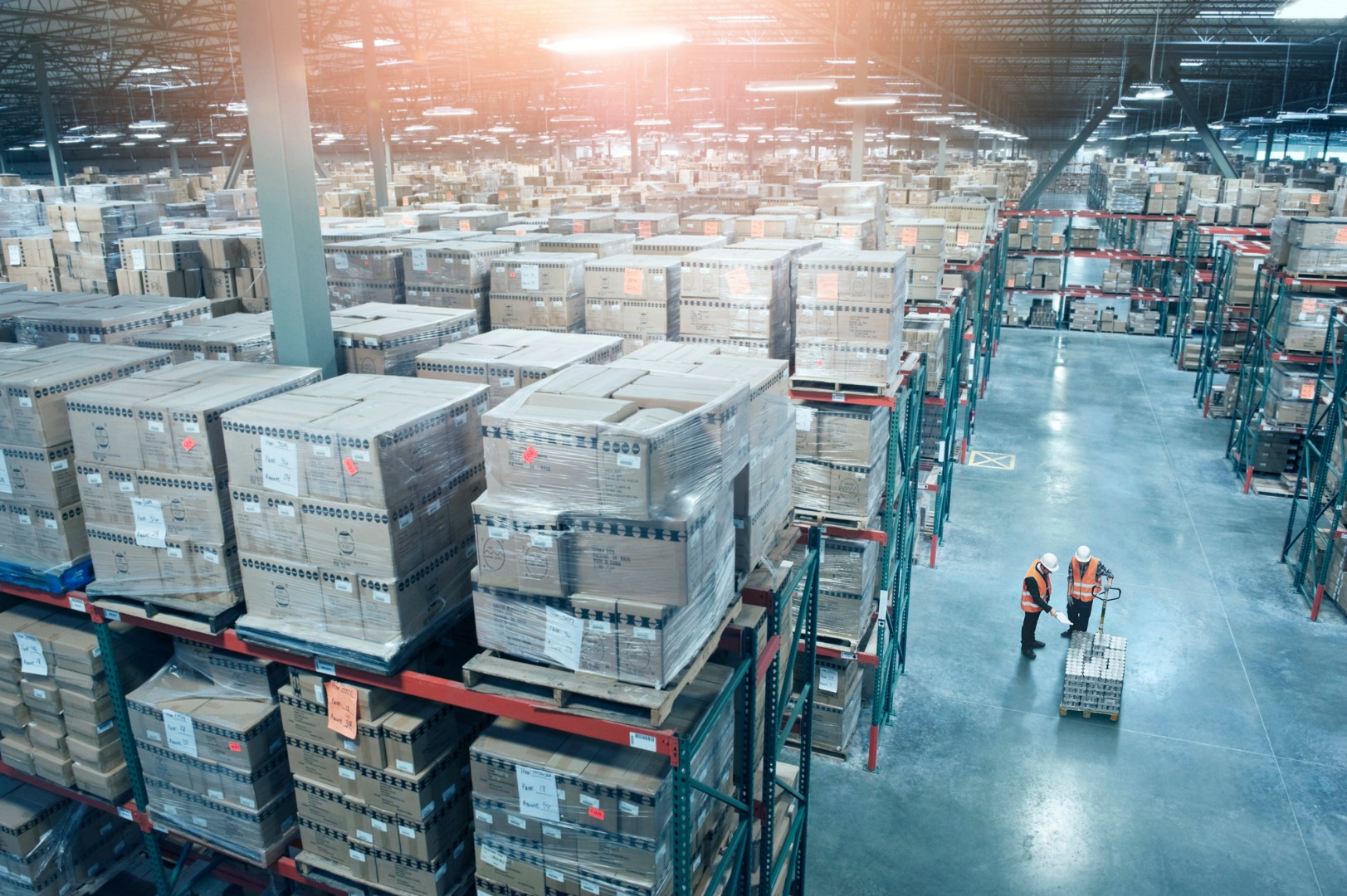
To serve Konica Minolta, DB Schenker has provided a dedicated warehouse in Nadarzyn near Warsaw. It consists of an area for storing large equipment, such as printers, an e-commerce warehouse for spare parts and consumables, and a Technical Center. The key to the cooperation was creating an effective operational model combining two processes: the circulation of new and used devices. Among other things, pick-and-pack solutions were implemented, dedicated changes were introduced to the WMS system, and the management of the delivery process to Konica Minolta’s business customers was modified to maintain the greatest possible flexibility and efficiency of the supply chain.
The heart of the entire warehouse process is the Technical Center. It is a separate space with controlled temperature, additional lighting, and dust extractors, featuring 70 workstations for Konica Minolta technicians. This is where the system assembly for new equipment takes place. This is also where used printers arrive, which are then serviced: refurbished, cleaned, repaired, undergo quality control and software updates, and then return to circulation.
Annually, in units managed by DB Schenker for clients worldwide, a total of over 10 million printers, smartphones, or entire server structures are handled, and millions of additional devices are tested to detect damage and repaired, or sent back to the manufacturer for component processing.
DB Schenker’s expertise in reverse logistics processes includes the initiation of returns as well as return and repair processes. Low-carbon storage and the selection of environmentally friendly packaging materials enable clients to reduce their carbon footprint.
Source: DB SCHENKER