











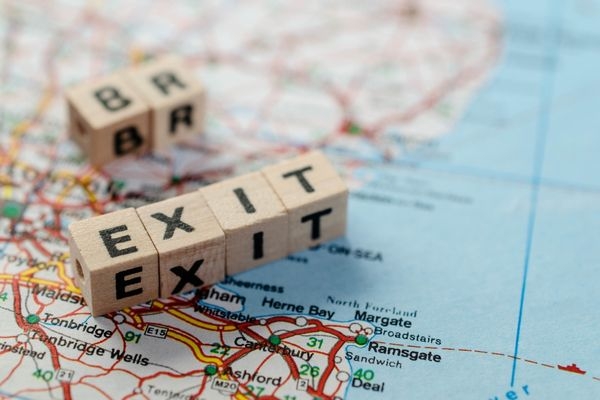
Applying for an EORI number, assigning correct product codes, gathering documents, or communicating in advance with foreign contractors – these are the tips from logistics operator Dachser on how exporters and importers can prepare for a so-called hard Brexit scenario.
Great Britain is Poland’s third-largest export partner. According to Statistics Poland (GUS), from January to November 2018, domestic companies sold goods worth PLN 54.2 billion (EUR 12.8 billion) to the UK. In terms of imports, this country is also an important trading destination – it is among the top ten importers. The business of all these companies faces a major test in connection with the presumed exit of Great Britain from the EU, mainly because it is still unknown how this divorce will be carried out. This, in turn, means that the hard Brexit option remains a threat.
– The time when business future could be based solely on hopes that a hard Brexit would not happen is over. Now we must act. Dachser has been preparing for every possibility for a long time – we are hiring additional customs specialists and preparing organizationally and IT-wise. We also want to support our clients in this, because we are aware that years of the customs union mean that importers and exporters may currently lack the knowledge or experience on how to carry out customs clearance formalities – says Dr. Eng. Grzegorz Lichocik, President of Dachser in Poland.
Dachser has prepared a checklist for its clients, presenting step-by-step the actions that will help prepare a company for customs procedures. As a global operator with its own agency, customs warehouses, and AEO status in many countries, Dachser is prepared to take on most customs formalities. However, the list includes conditions that the exporter or importer themselves should ensure are met in advance.
The most important of these is having an EORI number. Companies that do not have one should apply for it at their local customs or tax office. In addition, it is necessary to ensure that all goods crossing the border are assigned the appropriate customs tariff in accordance with the Harmonized System and TARIC. This means that correct codes must be determined for each product. Furthermore, in the event of an unregulated Brexit, commercial invoices must be submitted for all shipments, which must contain the appropriate set of information so that a customs declaration can be created and made based on them. Such information and documents should be gathered now. Dachser also advises companies to contact their trading partners – recipients or suppliers – and determine with them whether they are ready to file a customs declaration.
– Customs procedures are quite a complicated matter, and we have experience in them, so we can take over the formalities related to clearances on behalf of exporters and importers. However, close cooperation between Dachser and the client is already important now, in order to carry out this entire process as efficiently as possible and provide advice at every stage of delivery – advises Grzegorz Lichocik.