








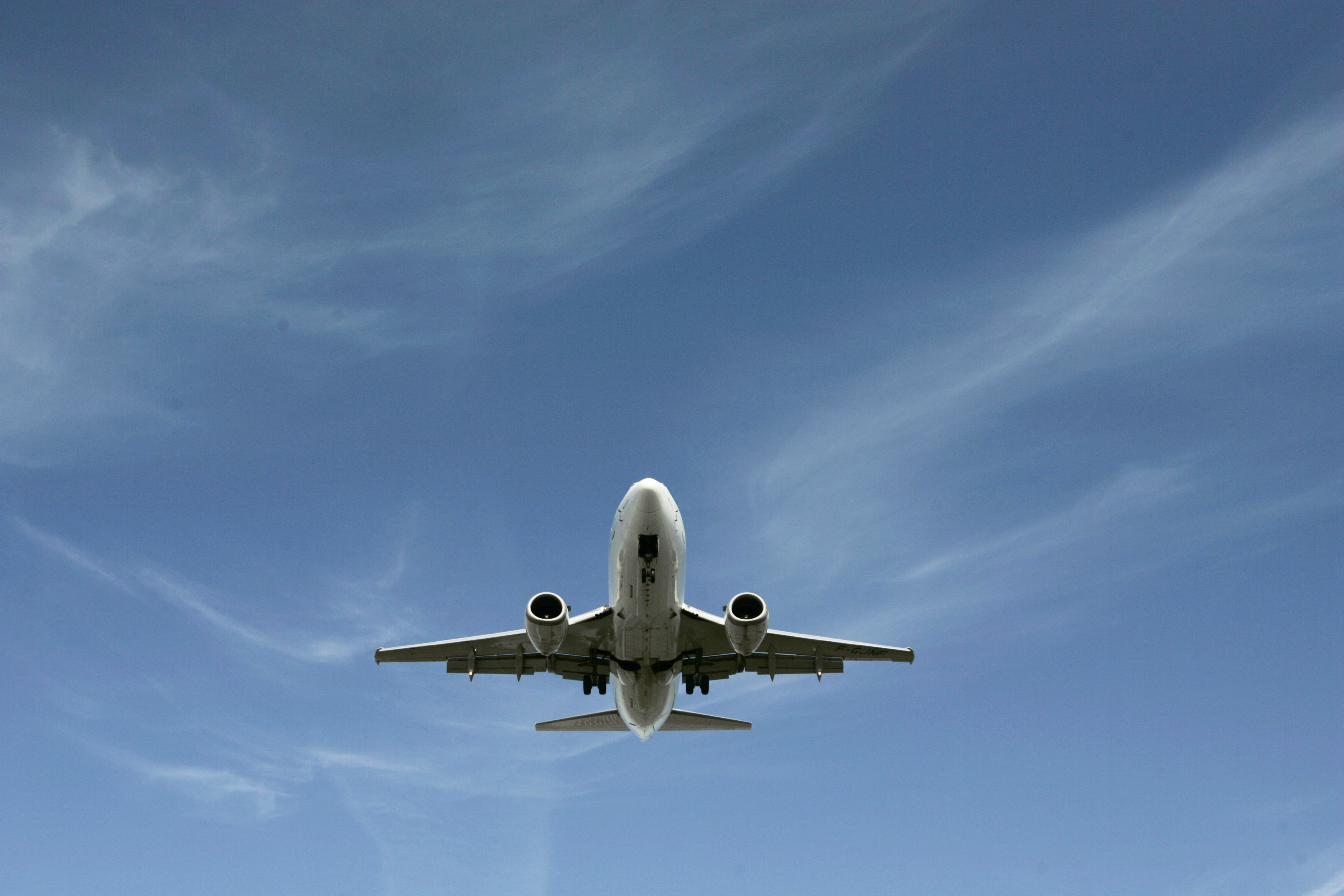
In the fourth quarter of 2024, air freight on the Asia-Europe route experienced its largest volume peak since the COVID-19 pandemic. What was the reason for this? In previous years, aircraft were filled with cargo ordered by wholesalers and manufacturing companies. Today, aircraft space is filled with product orders placed directly by European consumers.
Importers lost out during the pandemic
The COVID-19 pandemic and the associated lockdowns significantly accelerated the development of eCommerce platforms. Consumers, staying at home, were more willing to shop online. One of the beneficiaries of this trend was Asian online stores.
As data from the report “Chinese trading platforms through the eyes of Poles” published in May 2024 by the Pollster company shows, among the sites where Poles most often shop, stores from the Middle Kingdom occupy 3rd and 4th place. Changes in consumer habits, including above all the popularity of orders from Far Eastern services, have influenced the reorganization of the parcel transport model.
– The dynamic development of Asian eCommerce is changing global transport. In the past, goods from China reached Europe through importers. Today, consumers can make purchases practically directly from manufacturers using digital platforms. At the same time, delivery time remains crucial for internet users, who expect it to be similar to what they are accustomed to from European entities. As a result, there has been a significant increase in demand for air freight services, which provide the shortest transport time on intercontinental routes – says Marcin Żuchowski, Senior Product Manager at DSV – Global Transport and Logistics.
The rapidly growing number of eCommerce orders translates into a proportional increase in demand for cargo space in air freight. According to Cargo Facts Consulting data, the four leading Chinese companies in this industry sent up to 11 million kilograms of goods by air every day. Such a volume of shipments would fully fill the cargo space of 108 Boeing 777 aircraft.
– The autumn of 2024 was a time of intense struggle for freight forwarders on behalf of clients for access to cargo space, which was being filled by goods from the eCommerce market. In the fourth quarter, there were numerous promotions for Singles’ Day, Black Friday, or Cyber Monday, which enjoyed great interest from customers. – points out Marcin Żuchowski, Senior Product Manager at DSV – Global Transport and Logistics. – Extremely high demand from consumers caused us to observe a seasonal increase in air freight rates in December by as much as 60% compared to March of this year.
Effects felt in Poland
The effects of increased freight traffic between Europe and China in the 4th quarter were a challenge for airports. The increase in the number of loads translated into higher occupancy of cargo terminals and, consequently, longer waiting times for both loading and unloading.
This situation had a noticeable impact on Polish importers and exporters, who had to face higher transport costs while simultaneously dealing with longer waiting times for completion. This was particularly felt by companies operating in the broadly understood area of production, for whom the transport of key materials by air is necessary to maintain operational continuity. A great example is the automotive industry, which in urgent situations obtains, for example, small batches of parts in this way.
As the expert from DSV – Global Transport and Logistics points out, companies that want to ensure cost predictability and delivery timeliness are increasingly deciding to enter into long-term contracts for air freight services.
– Currently, we are receiving inquiries regarding the possibility of concluding an air freight service contract for a period of 6 to 12 months, sometimes longer. For comparison, during the pandemic, the validity period of an offer was often counted in weeks. Within its framework, the logistics operator guarantees a fixed transport rate for a specific volume. Large entities such as DSV have both their own network of charter connections and so-called block space agreements – agreements with carriers that ensure a specific amount of space in the cargo section during each flight. In this way, we secure our clients’ needs and are able to mitigate the impact of market fluctuations. – explains Marcin Żuchowski, Senior Product Manager at DSV – Global Transport and Logistics.
According to analyses by DSV experts, the eCommerce industry will be one of the main drivers of demand for air freight services in 2025. As specialists point out, in the long term, the phenomenon of seasonal peaks may intensify. The latest available Xeneta data shows that from January to October 2024 alone, demand for air freight from the Asia-Pacific region increased by 17%.
For this reason, companies and entrepreneurs who use air solutions in their logistics chains should start the process of contracting cargo space for the next year today. With the current pace of demand growth, only long-term contracting can ensure cost and service delivery predictability.
Source: Okaeri / DSV – Global Transport and Logistics