











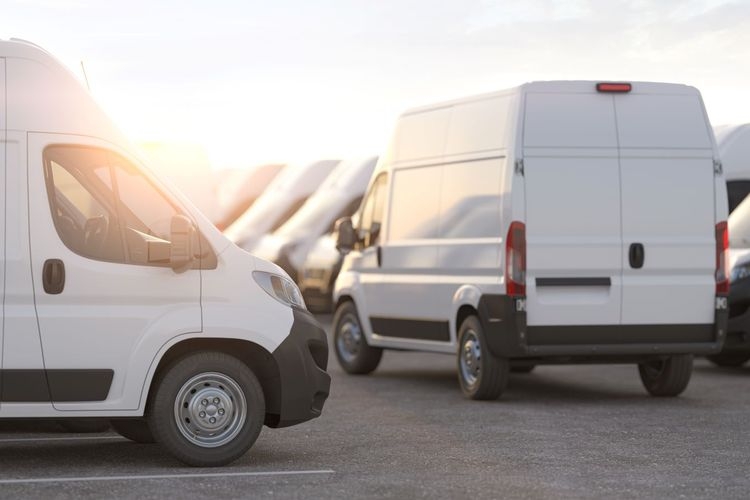
Purchasing the right van for a logistics fleet is an important business decision that can significantly impact the efficiency and profitability of an enterprise. A properly selected delivery vehicle will not only streamline daily logistics operations but also bring tangible financial benefits in the long term. However, the selection process requires an in-depth analysis of many technical, economic, and practical factors. For the investment to be successful, entrepreneurs must consider both the current needs of the company and potential future challenges.
Which technical parameters should you pay attention to when choosing a van?
When choosing a van for a logistics fleet, you should primarily pay attention to technical parameters that directly translate into the vehicle’s functionality in daily operation. Cargo capacity is a fundamental aspect that determines the transport capabilities of the car. Equally important is the payload, which defines the maximum weight of goods that the vehicle can safely carry. Entrepreneurs should carefully analyze the nature of the transported loads and their dimensions to select the appropriate cargo space. Furthermore, the body type is worth noting – available options include vans with a raised roof, extended wheelbase, or various side and rear door configurations. The choice of the powertrain is also significant – modern diesel engines offer an optimal balance between performance and operating economy, while alternative drives, such as electric or hybrid, can bring savings in the long term. It is also worth considering available safety systems, which complement car insurance. A well-chosen policy provides financial protection after an accident, while modern technologies support the driver to reduce the risk of road incidents.
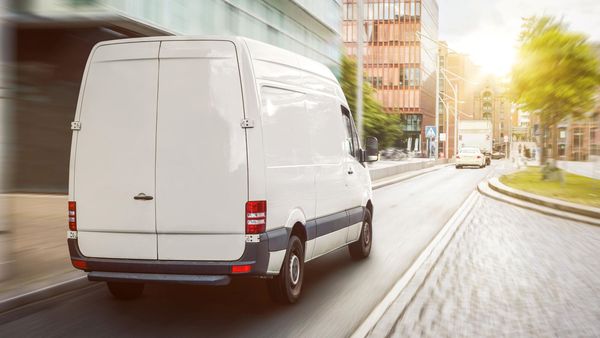
Economic aspects of the purchase – what affects the total cost of ownership?
The total cost of ownership (TCO) of a van is much more than just the purchase price. Entrepreneurs must take into account a number of economic factors that will generate expenses throughout the vehicle’s service life. Fuel consumption is one of the most important elements of the fleet budget, which is why it is worth choosing a model with optimal fuel efficiency. Equally important are service costs – some brands offer extended service intervals, which translates into lower operating expenses and less downtime at work.
One cannot forget about the aforementioned car insurance, which is a mandatory element of every entrepreneur’s budget. Basic third-party liability insurance (OC) is the absolute minimum, but it is worth considering additional policies that will protect the company against unforeseen expenses. Before making a final purchase decision, it is recommended to use available calculation tools, such as a third-party liability calculator, which will help estimate the actual insurance costs for a specific vehicle model.
Driving comfort and work efficiency – practical tips for buyers
When choosing a vehicle for a logistics fleet, you should also consider the practical aspects of its daily use. The ergonomics of the driver’s cabin are of great importance, especially if the vehicle will be used for long routes. Comfortable seats, an intuitive multimedia system, and well-thought-out workspace organization can significantly increase the driver’s work efficiency. It is worth paying attention to loading and unloading support systems, such as adjustable floor height or additional mounting brackets. An important aspect is also the availability of service and spare parts – choosing a popular brand usually guarantees quick access to authorized service centers and necessary components.
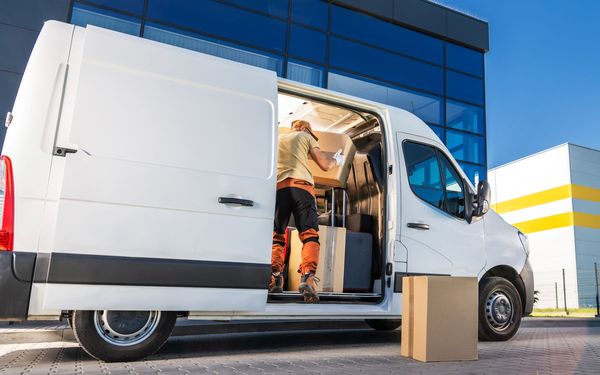
When making the decision to purchase a van for a logistics fleet, you should look at this investment from a broader perspective. A properly selected vehicle will serve the company for many years, generating tangible business benefits. It is worth taking the time to carefully compare the available options, taking into account both current needs and the development potential of the enterprise. A well-thought-out choice will translate into more efficient logistics operations, lower operating costs, and increased employee satisfaction, which will consequently have a positive impact on the financial results of the entire organization.