








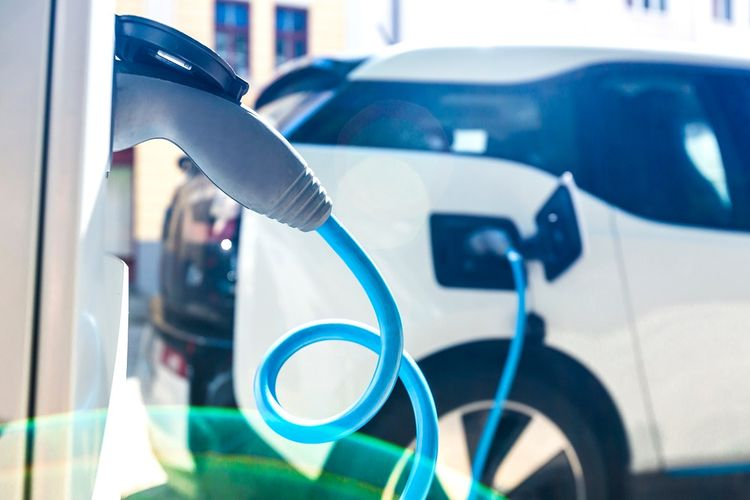
Three out of the five most common reasons for deciding against purchasing an electric car are related to charging. Electric vehicles require a change in the approach to refueling: they should be charged where they are parked. Developing the availability of charger networks and increasing user awareness are at the forefront of challenges in popularizing electromobility.
Charging network more important than range
According to IHS Markit forecasts, by 2024, electric cars will account for 20% of vehicles sold in the EU. This industry is developing significantly, but it is still far from mass-scale production. In previous years, challenges were related to, among other things, ensuring adequate power and reliability for e-car charging. Devices and software have been developed, but barriers among users remain. The time required to charge an e-car discourages as many as 37% of consumers from purchasing, 32% cite a lack of station availability, and 31% point to limited range.
– Developing the network and availability of chargers will be just as important as charging speed, the range provided by batteries, or the total cost of owning an electric vehicle. For e-cars to become widespread, in addition to developing infrastructure, the industry must also educate potential customers, both private and corporate, about the difference between refueling and charging. Daily use of electric vehicles should not rely on traveling from one charging station to another. Electric cars should be charged where they are parked, i.e., at homes, offices, or shopping centers – explains Bartłomiej Jaworski, Senior Product Manager at Eaton.
All over the world, including Europe, office buildings, residential complexes, and shopping malls are being built that provide electric car charging stations. As many as 61% of consumers would be more inclined to buy an electric car if they had easy access to a charger at their workplace. The demand for such public stations will grow, especially in cities where residents may not have the option to install them in a garage and “refuel” their car at night.
What does the consumer know?
According to forecasts, by 2030, the number of public and semi-public stations in Europe will increase eightfold compared to 2020. However, developing them is only part of the solution. It is also important to increase consumer awareness regarding the actual availability of charger networks. In Europe, most of them are located in private homes. People who do not own an electric car are also unaware of the locations of public chargers, so they have doubts about availability. Even though the currently available infrastructure is sufficient to meet the demand of e-cars on the road, a combustion engine car owner who does not see a charging station in their area will be less inclined to switch to an electric car.
Regulatory plans and incentives needed
In addition to consumer skepticism, a barrier to expanding electromobility infrastructure is the lack of coordination between government bodies and the energy sector. Many difficulties stem from complex procedures and political strategies that slow down the development of charging stations.
– Without properly integrated energy and infrastructure policy, development programs will stall. Appropriate incentives for building a network of charging stations, uniform building regulations, and planning are key. Of course, for electric cars to become widespread, their manufacturers must provide an offer that fits within consumers’ budgets. However, the main factor in the development of electromobility is the availability of charging – adds Bartłomiej Jaworski.
Source: Eaton Electric