











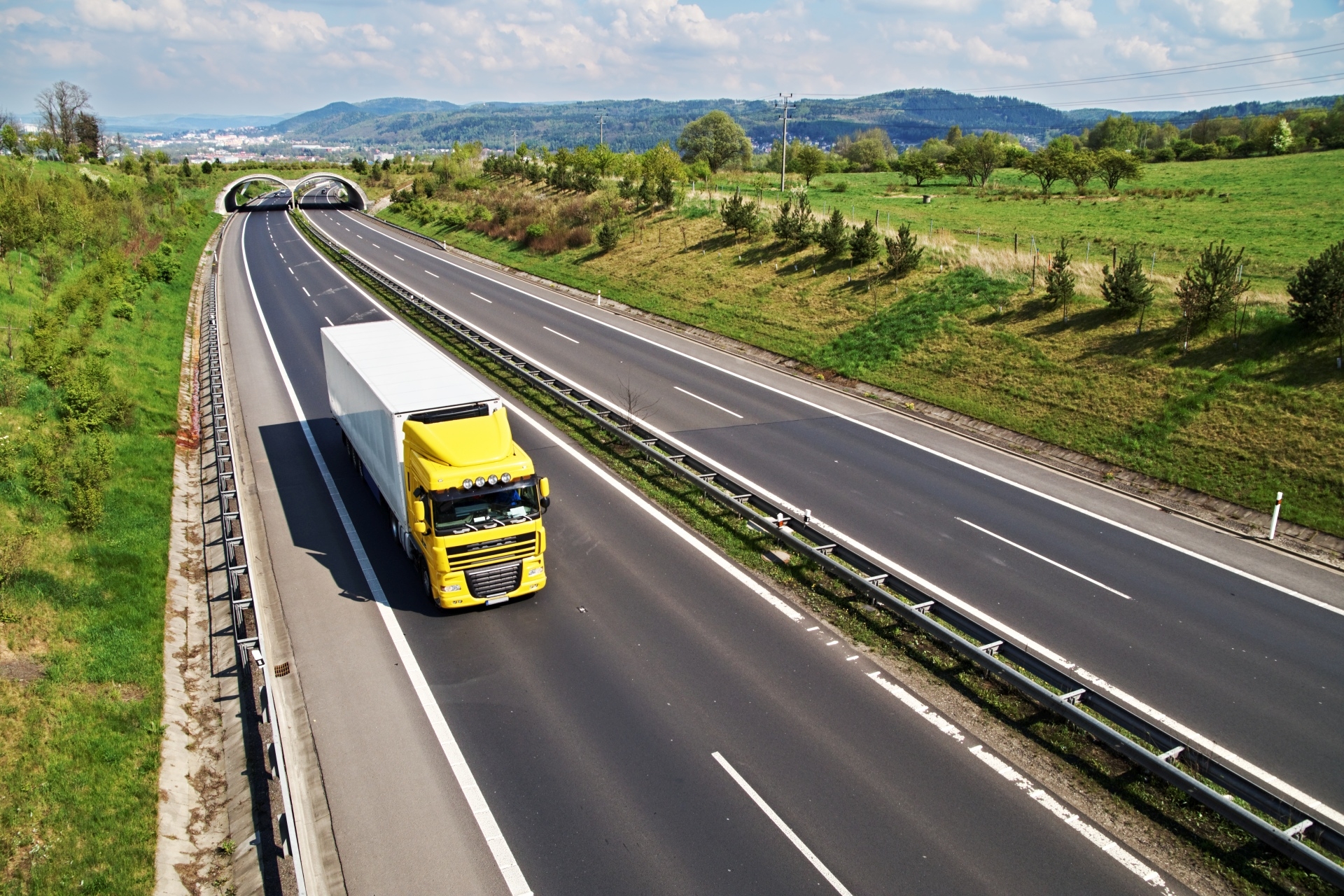
Within the next 5-10 years, biofuels will become a key solution enabling the rapid decarbonization of heavy transport in Poland, according to a report by the international consulting firm Kearney. The use of biofuels will help protect the competitiveness of the domestic transport industry in the face of growing pressure to reduce greenhouse gases and will provide an opportunity for the development of other sectors of the economy, including agriculture.
The transport, forwarding, and logistics (TSL) industry generates approximately 7 percent of Poland’s GDP, and domestic companies account for one-fifth of road freight transport in Europe. While the decarbonization of individual transport is progressing mainly through electrification and is proceeding relatively dynamically, in the case of heavy transport, this process will be much more complex, costly, and time-consuming. Kearney experts emphasize that a rapid reduction in emissions in the heavy transport sector is necessary, but it should be carried out in a way that takes into account the costs of transformation and, consequently, the competitiveness of the Polish economy.
In recent decades, Poland has grown into a European logistics powerhouse. The scale of the TSL sector’s operations makes its role in the country’s energy transition absolutely crucial. Keeping in mind both the health of the planet and the competitiveness of the industry, instead of focusing solely on changing powertrains, we should concentrate our efforts on decarbonizing the fuels used in heavy transport. This is a more realistic and cost-effective path of transformation, especially considering the capital expenditures required for fleet replacement.
– says Michał Krawczyk, a director in Kearney’s Warsaw office and leader of the energy practice.
According to Kearney experts, the most promising technology is biofuels – in particular, Hydrotreated Vegetable Oil (HVO), which can be used in existing engines without the need for technical modifications. The use of HVO allows for a reduction in carbon dioxide emissions by up to 90 percent compared to conventional fuels.
Biofuels in various sectors
The development of the biofuel segment also creates opportunities for the food industry and agriculture. Raw materials for biofuel production are obtained from growing oilseed crops, processing used cooking oils, and collecting production waste such as animal fats. Importantly, advanced biofuels can be produced using plants sown and harvested outside the standard vegetation cycle of the most popular crops in Poland, such as camelina. For agriculture, this opens up a new revenue stream without a radical change in the farming model.
Biofuels are an available and, above all, technologically neutral solution that allows for meeting strict regulatory requirements regarding greenhouse gas emissions. The use of HVO spreads out the investment in fleet replacement over time and shifts the burden of adjustments to energy suppliers and fuel producers. Additionally, within 5 years, we can expect a change in the standard for the blending of Fatty Acid Methyl Esters (FAME) into diesel from B7 to B10, increasing their share to 10 percent.
– adds Michał Nowak, a manager in Kearney’s Warsaw office.
With the natural vehicle fleet replacement cycle, a significant portion of it will be powered by traditional engines for many years. This applies to both delivery vehicles and passenger cars. The use of biofuels and the reduction of the carbon footprint of the conventional fuel production process could significantly accelerate the decarbonization of transport.
A barrier to the development of biofuels is the availability of production feedstocks. This primarily concerns the production of advanced biofuels, i.e., those based on raw materials that do not compete with food. Today, most of them are located in distant parts of the world, mainly in Asia. However, Poland has untapped potential here, both in terms of used vegetable oil, animal fats, and more unconventional raw materials such as tall oil or wood chips.
– claims Michał Nowak.
Significant space for the development of biofuels also appears in the individual transport segment. However, according to Kearney experts, despite the growing sales of new electric passenger cars, by around 2030 they will only account for about 30 percent of all passenger cars in Poland. Even if all newly sold cars were electric after 2035, slightly more than half of the passenger cars on Polish roads would still be powered by liquid fuels.
Electromobility on the road
The electrification of heavy road transport is proceeding much more slowly. In 2024, out of approximately 360,000 heavy commercial vehicles sold in the European Union, only about 4 percent were electric vehicles, with the share of EVs among trucks being only 1.5 percent.
In addition to the high purchase costs of vehicles, the spread of electromobility in heavy road transport is hindered by an insufficiently developed high-power charging network, limited vehicle range, and the problem of the gross vehicle weight limit. The curb weight of electric heavy-duty vehicles compares unfavorably to conventional vehicles, making them less competitive.
While electrification will be a key decarbonization tool for individual and urban transport, this solution will not become widespread in heavy transport. Truck fleets will continue to be dominated by diesel-powered vehicles for many years to come.
– adds Michał Krawczyk.
Alternative technologies in the truck segment will likely only begin to gain mass popularity after 2040. Due to expected regulatory changes, the development of technology, and charging infrastructure, only then will the total cost of ownership become more favorable for vehicles with alternative powertrains.
The full Kearney report on the transformation of the automotive sector in Poland is available at the link.
Source: Kearney