











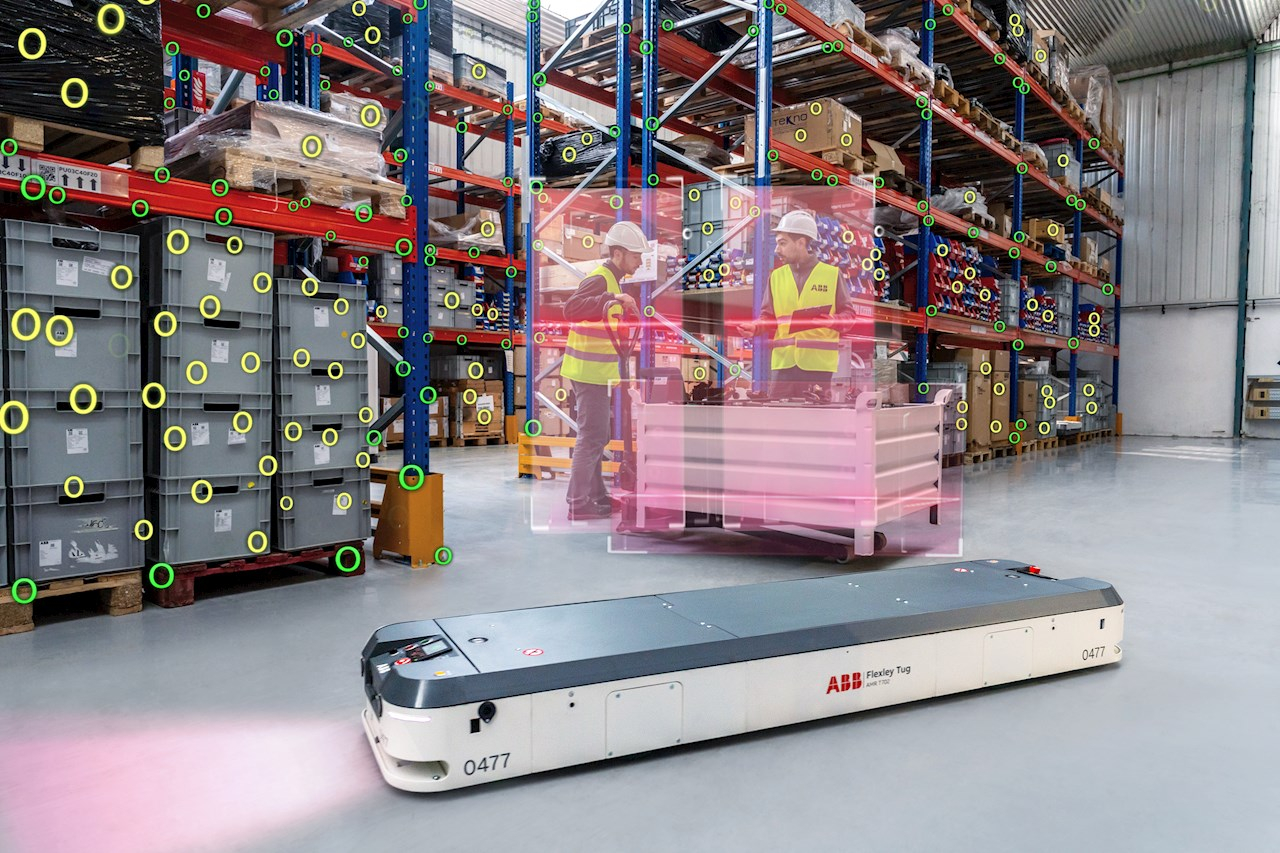
Artificial intelligence is finding applications in new fields. This trend is not bypassing the logistics sector either. The acquisition of the Swiss startup Sevensense by the global giant ABB is a sign of the times and signals the revolutionary changes taking place in warehouse spaces around the world. Polish logistics is following the same, increasingly automated path.
The logistics industry is increasingly using artificial intelligence (AI). According to AIMultiple forecasts, by 2026, AI will be used in over 60% of warehouses. This is a key change in warehouse space management, which is effectively becoming an intelligent operational center. The latest technological achievements are being used to operate it. With the global warehouse robot market worth 20 billion PLN and a projected annual growth of 14 percent in this segment, logistics is becoming a fertile ground for innovation.
Start-ups play an important role in the rapidly developing market of new technologies for logistics. One of them is Sevensense, which specializes in developing 3D navigation and vision systems for autonomous mobile robots (AMR). The vehicles use Visual Simultaneous Localization and Mapping (Visual SLAM) technology, enabling robots to make quick and sensible decisions and navigate autonomously in an environment that is constantly changing. And this is not just about people moving around or pallets being moved, but also, for example, lights going out.
The AI-based technology caught the attention of ABB, which decided to acquire Sevensense. The robotics giant appreciated the capabilities in terms of significantly reducing the time required to prepare robots for use and increasing their operational efficiency. Such a mobile robot, looking like a small, moving platform, is only inconspicuous at first glance. It can transport a load weighing up to 2 tons (even a car body) at a speed of up to 1.5 m/s. And most importantly, the device maps the surroundings while in motion, maintaining a safe distance from more or less moving obstacles it encounters along the way. The vision system distinguishes between people and objects.
E-commerce can gain a lot
According to PMR data, the e-commerce market in Poland reached a value of almost 90 billion PLN in 2023. By 2027, this figure is expected to rise to almost 125 billion PLN. Currently, 8 out of 10 Polish internet users shop online, which is associated with changing consumer behavior. A characteristic feature of the Polish market is high competition, both from local players like Allegro and foreign giants (Amazon).
However, the development of e-commerce in Poland is not just a matter of increasing turnover or expanding the offer of online stores. Above all, it is a logistics challenge that requires the latest achievements in AI and Industry 4.0 to meet the growing expectations of consumers. And they want safe and fast deliveries of exactly what they ordered. In this context, the use of new technologies, such as a mobile robot that, thanks to artificial intelligence, safely drives between personnel working in the warehouse, becomes essential for optimizing logistics.
– The use of AI-based systems allows for the automation of tasks that have been performed manually until now. This shortens order fulfillment time and minimizes the risk of error. Moreover, these technologies enable flexible scaling of operations depending on current needs, which is crucial in an industry where order volumes can change dynamically – says Michał Furmański from the ABB Robotics business in Poland.
New jobs
The introduction of new technologies into Polish warehouses will take place in stages, starting from the automation of the most time-consuming and monotonous tasks, such as inventory or sorting goods, and ending with full automation of logistics processes, including internal transport and warehouse space management. A key factor determining this sequence is technological maturity and the financial availability of solutions, but also the specifics of the labor market.
– The dynamic development of the e-commerce and logistics sector creates new opportunities in the labor market. Intelligent mobile robots are becoming easier to integrate and implement into daily warehouse operations. This does not change the fact that qualified employees will be needed to “tame” this technology and manage the entire fleet of advanced devices – concludes Furmański.
In the face of these changes, the future of warehouses seems quite clear: technology and automation will play an increasingly important role, but a balance between progress and the preservation of jobs should be maintained.
Source: ABB