











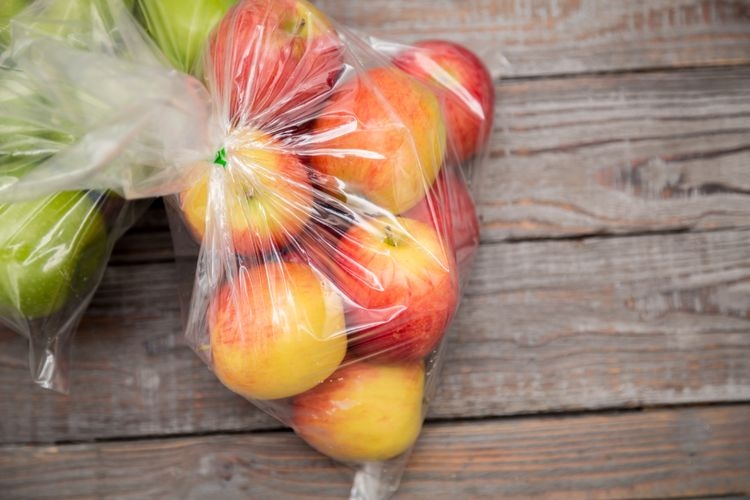
The recycling fee for plastic shopping bags is one of the tools used to limit their consumption. It was introduced as part of pro-ecological measures, and its goal is to reduce the amount of plastic waste and promote the use of reusable bags. What exactly is it, who has to pay it, and which packaging is covered by it? Are plastic bags subject to the recycling fee? Read on and find out!
What is the recycling fee?
The recycling fee is a statutory cost added when a customer is provided with a plastic shopping bag that meets specific criteria. It was introduced in Poland on January 1, 2018, as part of a strategy aimed at limiting the use of plastics. Its primary assumption is to reduce the number of single-use plastic bags ending up in the environment, which is intended to contribute to reducing plastic pollution.
The money from this fee goes into the state budget and is used for pro-ecological activities. Through this solution, the government is trying to limit the negative effects of plastic waste in nature and raise the level of environmental awareness among citizens.
Which packaging is subject to the recycling fee?
The recycling fee covers plastic bags with a thickness of 15 to 50 micrometers, which are typical single-use carrier bags found in grocery stores, drugstores, and service points. These include, among others:
- medium-thickness plastic bags available at checkouts,
- carrier bags offered in clothing stores and other retail outlets,
- plastic shopping bags used in retail chains
The purpose of this fee is to discourage the use of such bags, as they are usually used only once, and their decomposition in the environment can take several decades.
Are plastic bags subject to the recycling fee?
Yes, plastic bags are also subject to the recycling fee. According to the definition, a lightweight plastic shopping bag is a bag – with or without handles – made of plastic and provided to customers in retail or wholesale outlets. The fee also applies to zip-lock bags with a thickness of 15 to 50 micrometers, such as those available at the link: https://www.rajapack.pl/torby-worki-woreczki/worki-torby-foliowe/woreczki-strunowe_C131010.html
Which packaging is exempt from the recycling fee?
Not all plastic bags are subject to the recycling fee. Exemptions apply to:
- very lightweight bags, so-called “produce bags” (with a thickness of less than 15 micrometers), intended for packing loose food such as fruit, vegetables, bread, or meat,
- thicker bags, with a thickness of over 50 micrometers, which can be used multiple times,
- bags made of paper or biodegradable materials – because they are not plastics.
Thanks to these exceptions, customers can still use thin bags for food products for free, and thicker bags can be used multiple times without an additional fee.
Who is required to pay the fee for carrier bags and plastic bags?
You already know what the recycling fee is and which products it is imposed on. It covers both plastic carrier bags and plastic bags, such as those available in the Rajapack store offer at the link: https://www.rajapack.pl/torby-worki-woreczki/worki-torby-foliowe_C1310.html. Excluded from it, however, are, among others, reusable bags and produce bags used for packing loose food.
The question remains – who is obligated to pay the recycling fee? This obligation rests on the entrepreneur who provides customers with bags subject to this requirement as part of a sale. This can be:
- the owner of a brick-and-mortar store, such as a supermarket, grocery store, or drugstore,
- the owner of a service point, e.g., a bakery, pharmacy, or newsstand,
- an online seller, if they provide products in plastic bags.
According to current regulations, the seller adds the recycling fee to the price of the bag and transfers it to the state budget. The end customer does not have to settle it themselves – the cost is already included in the price of the purchased bag.