











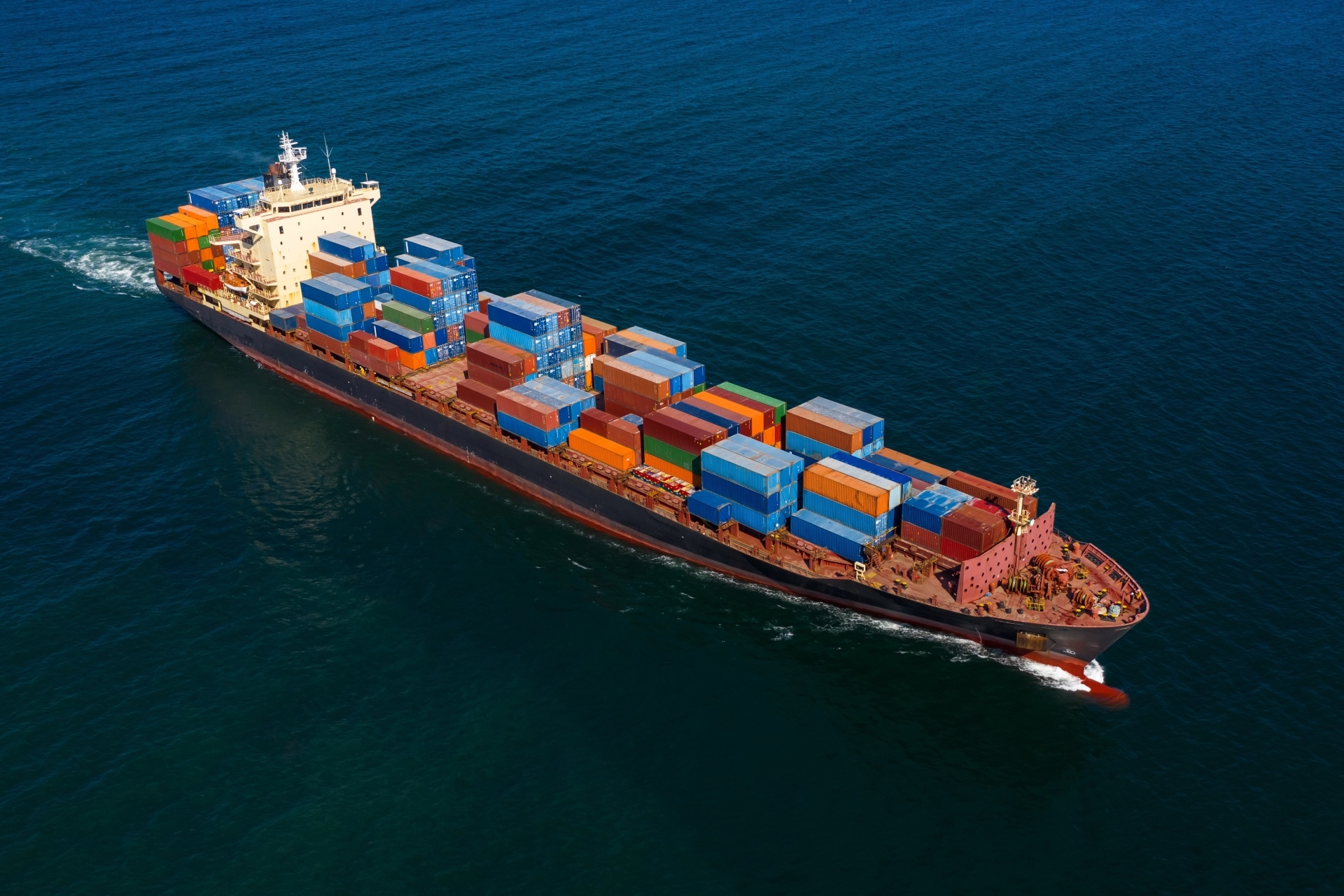
A new alternative to shipping via the Suez Canal and the Cape of Good Hope may soon revolutionize transport between Asia and Europe. The test container service will include ports in Qingdao, Shanghai, and Ningbo, and in Europe – Felixstowe, Rotterdam, Hamburg, and Gdańsk.
Singaporean shipowner Sea Legend, represented in Poland by ATC Cargo, has announced the launch of a test container service via the Northern Sea Route, which runs along the Russian coast. The route is intended to shorten transport time from China to Northern Europe to 18–20 days, compared to 40–50 days for voyages via the Suez Canal or the Cape of Good Hope, and even compared to 25 days by intercontinental rail.
New route, new opportunities
The first vessel will depart from Qingdao on September 16 and is scheduled to arrive at the Port of Gdańsk on October 13, right at the peak of the pre-Christmas export season from China. The voyage will be handled by a vessel adapted for Arctic navigation, and in the future, the shipowner plans to introduce ships powered by alternative fuels.
The service will include ports in Qingdao, Shanghai, and Ningbo, and in Europe – Felixstowe, Rotterdam, Hamburg, and Gdańsk. Including the Polish port in this maiden service is further proof of Gdańsk’s growing status as a key logistics hub in the region.
Shortening the travel time between Asia and Europe to 18 days means a real advantage in handling cargo that requires efficient distribution, such as electronics or clothing. However, we are aware of the limitations of Arctic shipping, such as variable ice conditions or geopolitical factors. Environmental issues are also significant, although the shipowner declares that CO₂ emissions during the voyage will be about 50 percent lower compared to traditional routes via the Suez Canal.
– emphasizes Dominik Landa, Director of Strategy and Development at the Port of Gdańsk.
A pilot with potential
If the test voyage is well-received by the market, Sea Legend plans regular, seasonal Arctic connections (May–October) starting next year. This solution could become an attractive alternative in the face of growing threats to shipping through the Red Sea, where attacks by Houthi rebels are resulting in increased transport costs and risks.
The new route also naturally competes with intercontinental rail, offering a comparable delivery time with significantly higher vessel cargo capacity.
A route of the future?
Until recently, the Northern Sea Route remained a marginal solution, used mainly by carriers from China and Russia. However, climate change and the increasingly shorter ice cover period in the Arctic are opening up new possibilities for its commercial use.
The shipowner Sea Legend was established three years ago, during the Red Sea crisis, as a response to the growing demand for alternative shipping routes. The carrier’s fleet has already successfully operated in difficult conditions.
For the Port of Gdańsk, participation in this project is not only a matter of prestige but also a strategic step toward strengthening its position in global supply chains.
Source: Port of Gdańsk Authority S.A.