









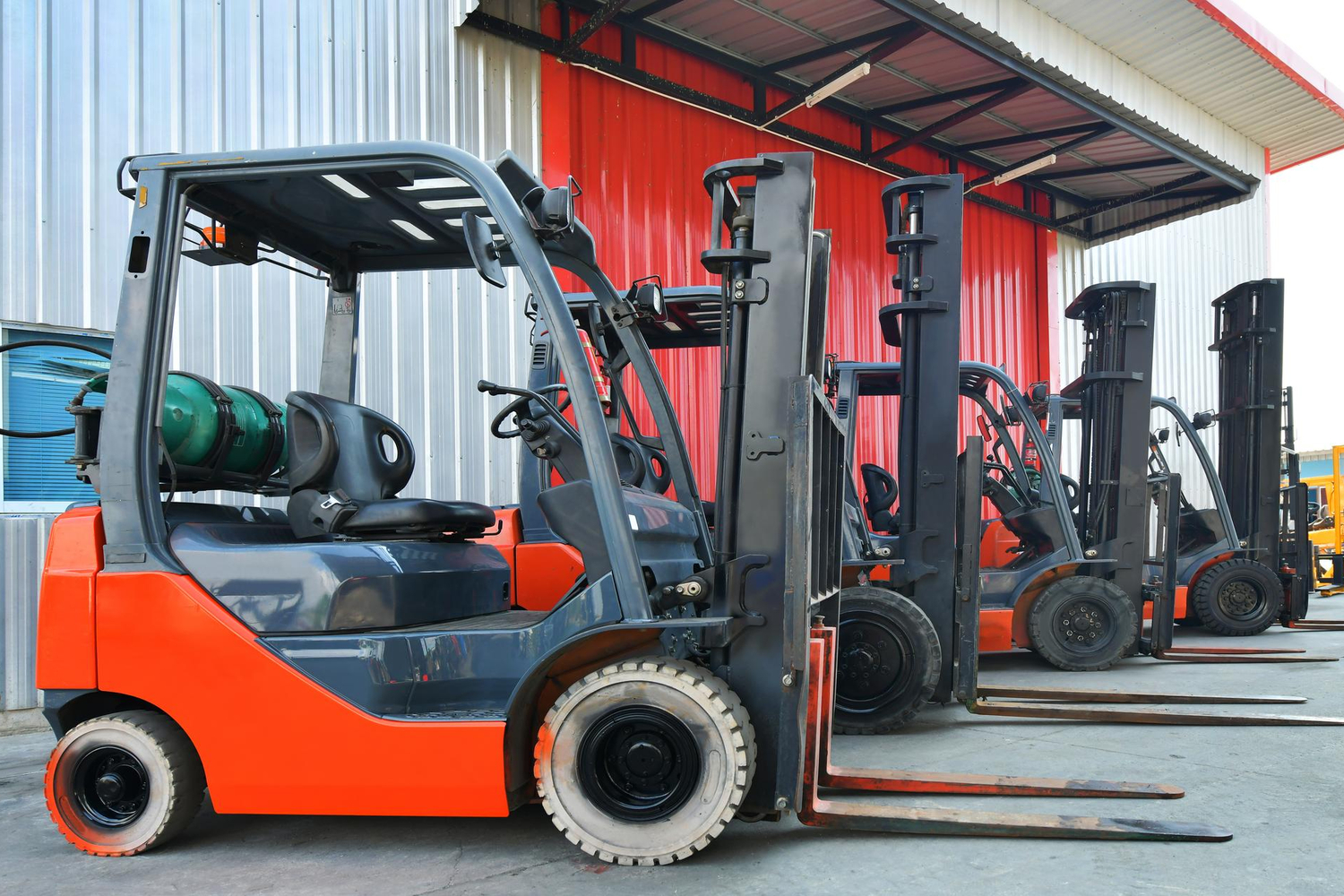
In logistics, a forklift is part of the warehouse process. When it stops working, the consequences are immediate: delayed unloading, postponed picking, additional service costs, and increased load on other equipment.
Therefore, operating a fleet requires not only regular inspections but also sensible planning of parts purchases. It is important to know which components wear out the fastest, which have long delivery times, and which are critical for a specific type of forklift. With this approach, a parts supplier such as SAWIM GROUP becomes a support for maintaining operational continuity, not just a place to place orders.
Why can a lack of one part stop the entire fleet?
The failure of a single forklift rarely ends with just a technical problem. In a warehouse, each machine has an assigned function: unloading, pallet transport, picking, high-bay racking service, or work at a loading dock. If a forklift responsible for a specific stage of the process is out of service, the delay quickly transfers to the next stages.
The greatest risk concerns parts without which a forklift cannot work safely. Examples include hydraulic, braking, drive, and steering system components, as well as parts responsible for powering electric forklifts. A hydraulic leak can stop lifting loads. Worn brake components limit driving safety. Damaged tires affect stability, operator comfort, and maneuvering precision.
The lack of an available part extends the repair time. The company loses not only a functional forklift but also operator time, loading fluidity, and warehouse work predictability. In extreme cases, additional costs arise: rental of replacement equipment, overtime, shift reorganization, or changes to the delivery schedule.
Therefore, planning spare parts is not about buying everything in stock. The most important thing is to determine which elements have the greatest impact on fleet continuity and which are worth having available before a failure occurs.
How to determine which forklift parts are worth having on hand at all times?
The basis is an analysis of fleet operation. A few forklifts working occasionally require a different stock than a fleet operating a warehouse on a two- or three-shift basis. Types of forklifts, drive type, machine age, repair history, and working conditions are also important.
Parts are worth dividing into several groups:
- consumable parts, i.e., elements replaced cyclically, e.g., filters, seals, rollers, tires, belts, spark plugs,
- critical parts, whose failure stops the forklift or limits work safety, e.g., hydraulic, brake, steering, and drive system elements,
- parts dependent on the drive type, e.g., fuel system components in internal combustion forklifts or electrical installation and power supply elements in electric forklifts,
- parts with a long delivery time that are difficult to order on a day’s notice.
Such a division helps to avoid two mistakes: too small a stock, which increases the risk of downtime, and too large a parts warehouse, which freezes the budget and does not always meet the actual needs of the fleet.
Most frequently worn parts
In every fleet, the list of fast-wearing parts looks slightly different, but it usually includes elements operating under load, in contact with dirt, movement, temperature, or friction.
These include, among others:
- oil, fuel, air, and hydraulic filters,
- seals and hydraulic hoses,
- tires, rollers, wheels, and running gear elements,
- brake pads, shoes, discs, and other brake system parts,
- belts, spark plugs, sensors, and selected engine components,
- contactors, cables, connectors, charging and power system elements in electric forklifts.
However, the list of parts alone is not enough for good planning. It is important to link it to specific forklift models. The same type of element may differ in size, mounting, catalog number, or compatibility with a given machine series. Therefore, when purchasing, it is worth using technical documentation, service history, and part numbers, not just the general name of the component.
How to plan parts purchases based on forklift work intensity?
Parts purchases should be based on usage data, not on the assumption that every machine wears out the same way. A forklift working a few hours a day in light internal transport consumes parts differently than a machine servicing a ramp for an entire shift, transporting heavy loads, or working in a dusty environment.
The most important data for planning are:
- number of operating hours (motohours),
- number of shifts,
- average forklift load,
- drive type,
- tire type,
- failure history,
- parts delivery time,
- frequency of inspections and repairs.
Thanks to this, it is possible to determine which parts to order cyclically, which to keep in minimal stock, and which to order only after confirming a specific fault.
Operating hours, shift mode, and fleet load
Operating hours show how intensively a given machine is working. This is one of the simplest indicators when planning inspections and replacement of consumable parts. The higher the number of operating hours, the higher the probability of wear of filters, hydraulic elements, tires, brakes, and drive system parts.
Shift mode additionally accelerates wear. A forklift working on three shifts has less time for cooling, checks, and calm technical maintenance. In such a model, consumable parts must be planned well in advance, because even a short lack of availability can disrupt warehouse work.
Fleet load is also important. If a few forklifts perform the work intended for a larger number of machines, parts wear increases. This applies especially to tires, the braking system, the mast, forks, hydraulics, and running gear elements.
Forklift type, drive, and warehouse working conditions
Different types of forklifts have different service needs. Counterbalance, pallet, stacker, and reach trucks work in different conditions and are exposed to different types of wear. A reach truck requires special control of elements responsible for precise lifting and stability. A counterbalance forklift used intensively at the ramp wears out tires, the braking system, and drive components faster.
The type of drive also affects the stock of parts. In internal combustion forklifts, filters, fuel systems, engine elements, cooling systems, and exhaust-related parts are more important. In electric forklifts, electrical installation elements, connectors, contactors, cables, charging components, and battery-related sub-assemblies are important.
Working environment also affects wear. Dust accelerates the wear of filters and moving parts. Humidity increases the risk of corrosion. Low temperature puts a strain on batteries and power systems. Uneven floor affects wheels, rollers, tires, and suspension elements. Therefore, the list of parts for stock should not be universal for every fleet. It should result from the real working conditions of the warehouse.
How to maintain a minimal stock of parts without excessively freezing the budget?
A minimal stock of parts is meant to ensure work continuity, but it cannot turn into a warehouse of random items. Too large a stock freezes funds, takes up space, and increases the risk that the part will not be used. Too small a stock extends repairs and increases dependence on delivery dates.
It is safest to start by dividing parts according to their importance to the fleet operation. Fast-wearing and cheap parts that fit several machines are usually worth having on-site. More expensive parts, replaced less frequently, or dependent on a specific model are better planned in consultation with the supplier. Critical elements with a long delivery time require separate analysis, especially when a failure immobilizes a forklift for several days.
Good parts stock is based on 3 questions:
- how often does a given part wear out or fail,
- how long does its delivery take,
- what happens to the warehouse process when this part is missing.
The answers help to identify parts key to maintaining operational continuity and separate them from those that are not essential. This is of particular importance in mixed fleets, where forklifts differ in brand, model, drive type, and year.
Fleet data as support in predicting failures
Failure history, number of operating hours, frequency of component replacement, and repair costs show which elements actually burden the maintenance budget.
In larger fleets, telematic systems and forklift management software are helpful. They allow monitoring of machine performance, operator driving style, hours worked, errors, overloads, and operating parameters. If one type of forklift regularly consumes certain elements faster than others, one can plan the purchase of parts in advance and avoid emergency repairs.
It is worth comparing service data with information from operators. Symptoms such as power loss, slower lifting, noise during driving, leaks, vibrations, or weaker braking often appear before a full failure. Combining observations with repair history provides a better picture of which parts will be needed in the near future.
Constant cooperation with a parts supplier and warehouse work continuity
When operating a fleet, it is important not only whether a part can be purchased. Its correct fit for a specific forklift is equally important. A mischosen element can prolong the repair just as effectively as the lack of parts in the warehouse.
Therefore, constant cooperation with a parts supplier facilitates purchase planning, especially when the fleet consists of various brands, models, and drive types. A supplier who knows the specifics of forklifts can help choose a part by catalog number, machine technical data, model, year, or operating parameters. This reduces the risk of incorrect orders and shortens the time needed to put the forklift back to work.
In such a model, the company SAWIM GROUP can actively help companies maintain operational fluidity, ensuring access to appropriate parts and their quick delivery when needed. The support includes not only sales but also advice on matching components to the actual fleet operating conditions. Thanks to this, companies can reduce the risk of downtime and respond more efficiently to current operational needs.
Well-planned parts purchases do not eliminate all failures, but they reduce their impact on work organization. The company knows which elements to keep on-site, which to order cyclically, and which to consult with the supplier before purchasing. Thanks to this, the fleet remains ready for work, and the warehouse does not lose fluidity due to the lack of a single component.