








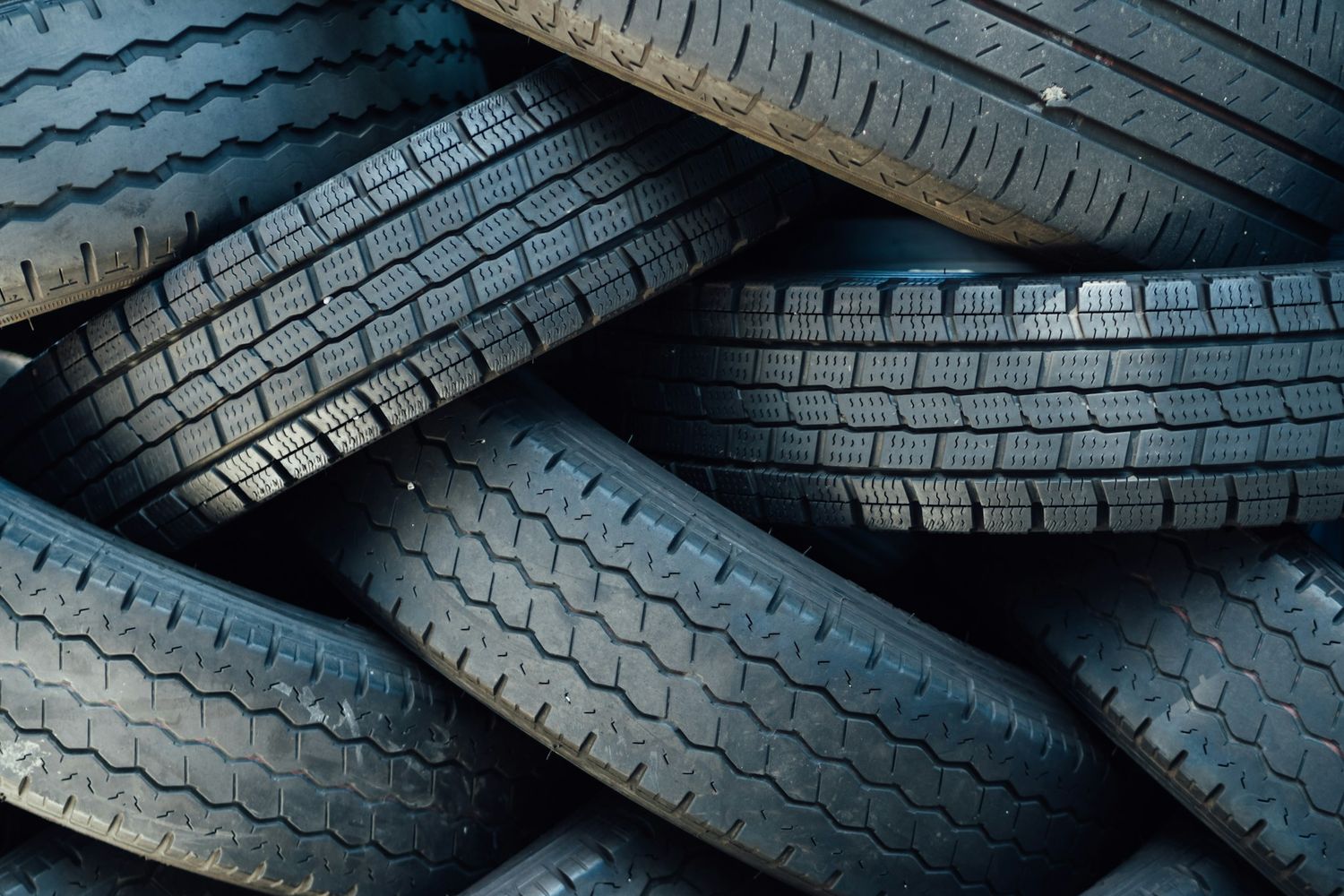
Managing a fleet of vehicles today is much more than just route planning and fuel cost control. Increasingly important are decisions related to vehicle operation, which influence both driver safety and the profitability of the entire enterprise. One of the elements often underestimated by companies is the appropriate selection of seasonal tires.
Summer tires have a direct impact on fuel consumption, braking distance, vehicle stability, and the frequency of operational failures. In the case of corporate fleets, differences resulting from the quality and parameters of tires can translate into real savings measured over months and years. Properly selected tires allow for reduced downtime, improved cost predictability, and increased efficiency of daily vehicle operations. This is why more and more fleet managers treat the purchase of tires not as a seasonal obligation, but as an important element of the company’s operational strategy.
Why are summer tires a part of fleet strategy and not just a seasonal replacement?
In many companies, changing tires is still perceived solely as a routine activity related to the changing of seasons. Meanwhile, properly selected tires can affect the functioning of the entire fleet – from fuel costs to the timeliness of carried-out orders. Modern summer tires are designed to work in higher temperatures and on dry or wet surfaces typical of the spring-summer season. Thanks to the use of appropriate rubber compounds and tread design, they can offer lower rolling resistance than winter or all-season models. For transport companies, this means lower fuel consumption, especially with high annual mileage. In practice, even a small difference in rolling resistance can translate into noticeable savings on a fleet-wide scale. This applies especially to companies owning delivery vans, commercial vehicles, or cars regularly covering long distances. Safety also plays a significant role. Summer tires provide better grip during braking and cornering in high temperatures. More stable vehicle handling means a lower risk of collisions, cargo damage, or unplanned downtime. One also cannot overlook the issue of operational predictability. A fleet equipped with properly selected tires is easier to manage in terms of service schedules, vehicle rotation, and consumption control. As a result, the enterprise can plan expenses more effectively and reduce costs related to sudden breakdowns.
What should you pay attention to when choosing summer tires for a fleet?
The selection of tires for a company fleet should not be based solely on the purchase price. In reality, the total cost of tire operation, which includes tread durability, impact on fuel consumption, and replacement frequency, is more important. One of the most important parameters is the load index. The tire must be adapted to the actual load of the vehicle, especially in the case of delivery vans and cars regularly carrying heavy goods. Mismatching parameters can lead to faster tire wear and reduced driving safety. Rolling resistance is also of great importance. Models with lower resistance can contribute to reducing fuel consumption, which, in intensive fleet operation, has a real impact on the company’s budget. However, it is worth remembering that fuel savings should not come at the expense of durability or grip. Another important aspect is tread wear resistance. Fleet vehicles often cover tens of thousands of kilometers per year, which is why tire durability directly affects the frequency of replacements and service costs. When choosing tires, the specifics of vehicle operation must also be taken into account. A fleet moving mainly around the city will have different needs than cars covering long highway distances daily. The drivers’ driving style, the frequency of sudden braking, or driving with a full load also matter.
A short checklist for a fleet manager
Before buying summer tires, it is worth answering a few questions:
- What is the average mileage of the vehicles?
- Do cars move mainly in the city or on the road?
- What is the typical load of the vehicles?
- Is durability, fuel consumption, or driving comfort the priority?
- How often does the company plan to replace tires?
- Does the fleet have a tire pressure and wear monitoring system?
Such an analysis allows for a better adjustment of tire parameters to the real needs of the enterprise.
CEAT summer tires – for what fleet applications can they be a reasonable choice?
For fleet applications, companies are increasingly looking for tires that represent a compromise between purchase costs, durability, and tire availability in the event of a quick replacement. In this context, some companies also analyze categories such as Ceat summer tires, especially in the case of fleets of passenger cars and delivery vans operated in standard road conditions. Such solutions are often considered by companies that care about maintaining a reasonable level of costs while maintaining predictable operational parameters. In practice, the choice of a specific brand or model should always result from an analysis of the fleet’s actual needs. For some companies, high wear resistance during intensive city driving will be key, for others – stability of handling on long routes or easy availability of tires in various sizes. It is also worth remembering that even good technical parameters will not replace regular inspection of tire condition. Incorrect pressure, overloading of vehicles, or lack of tire rotation can significantly shorten the lifespan of tires, regardless of the manufacturer.
How to plan tire replacement in a transport company?
Effective tire management requires planning in advance. This applies to both replacement dates and monitoring the technical condition of tires throughout the fleet. Lack of proper organization can lead to downtime, delays, and unnecessary service costs. A good solution is to implement a simple schedule including regular inspections and tread wear assessment. Thanks to this, the company can plan purchases in advance and avoid a situation where several vehicles simultaneously require an urgent replacement of a set of tires.
Tire replacement planning checklist
- Tire condition audit
Regular inspection of tread depth, mechanical damage, and wear uniformity allows for faster detection of operational problems.
- Replacement schedule
It is worth setting dates for seasonal replacement well in advance, especially before periods of increased traffic in tire service centers.
- Pressure control
Incorrect pressure increases fuel consumption and accelerates tire wear. Systematic measurements help reduce additional costs.
- Wear monitoring
Keeping documentation of mileage and tire condition facilitates the assessment of the actual durability of individual models.
- Purchase budgeting
Planning tire expenses in advance helps avoid sudden costs and better negotiate prices for larger orders. More and more companies are also implementing vehicle performance monitoring systems that help analyze the impact of drivers’ driving style on tire and fuel consumption.
What does the conscious choice of summer tires in a fleet provide?
Properly selected summer tires can realistically affect the operational efficiency of the entire fleet. The benefits are not limited solely to driving comfort or seasonal improvement in grip. Conscious tire management allows primarily for reducing fuel costs, lowering the risk of failure, and improving operational predictability of vehicles. For transport and service companies, this means greater control over the budget and a lower risk of unplanned downtime. Driver safety and the timeliness of order fulfillment are also important. Stable vehicle handling and adequate grip can reduce the risk of collisions, and thus reduce costs associated with repairs or taking a car out of service. In the long term, a well-planned tire policy becomes one of the elements of effective fleet management – just like fuel monitoring, vehicle servicing, or route optimization.
FAQ – most frequent questions about summer tires in a fleet
- Do summer tires affect fuel consumption in the fleet?
Yes. Tires with lower rolling resistance can reduce fuel consumption, especially in vehicles covering high annual mileage. The differences are most noticeable during intensive fleet operation.
- When should a fleet plan a change to summer tires?
It is most often recommended to change when the average daily temperature stays above 7°C. In practice, many companies plan replacements in advance to avoid downtime and queues at service centers.
- Is it worth buying identical tires for the entire fleet?
Unifying tire models can facilitate service management, consumption control, and purchase planning. Everything, however, depends on the type of vehicles and the specifics of the fleet’s operation.
- How often should fleet tire pressure be checked?
It is best to perform checks regularly – at least once a month and before longer routes. Incorrect pressure affects both safety and operating costs.