









The cold chain is currently one of the fastest-growing yet most energy-intensive segments of the logistics sector. Ensuring strict temperature conditions for food, pharmaceuticals, or cosmetics requires 24/7, uninterrupted operation of powerful refrigeration systems. In this context, energy is not just another operational cost component – it is one of the main factors defining profitability.
In a situation where electricity prices in Poland have risen by over 60% in recent years, many cold store operators are now facing a structural challenge: how to protect margins in a business where energy consumption cannot be reduced. The answer is local (on-site) solar energy production, increasingly combined with energy storage. This is not just an eco-friendly initiative, but a real business tool.
The cold chain logistics sector is under strong pressure. On one hand, demand is constantly growing, and on the other, the costs of maintaining appropriate temperatures are rising sharply. On-site solutions, installed directly on facilities, give these companies a unique opportunity to build cost resilience exactly where energy consumption is highest – emphasizes Ireneusz Kulka, Country Lead, EDP in Poland.
Energy consumption that defines margins
The energy consumption profile in cold stores differs significantly from traditional warehouses. While lighting and heating are a small part of costs in a standard facility, in freezers and cold stores, the vast majority is accounted for by compressor units and ventilation systems. As a result, a cold store can consume even several times more electricity per square meter than a conventional warehouse.
In some cases, energy costs can account for a significant portion of total operating costs. At the same time, operators remain exposed to price volatility, which is difficult to simply pass on to customers. Therefore, access to predictable and controlled energy sources is becoming an increasing priority.
Dynamic market development drives demand
The Polish cold storage space market is constantly growing, driven by the increasing requirements of the pharmaceutical industry, the development of modern food processing, and – above all – the dynamic growth of the e-grocery sector (online grocery shopping). E-commerce will require logistics platforms that combine proximity to end customers with high operational efficiency. This means the creation of further, highly energy-intensive cold storage hubs, often near urban agglomerations.
As the Ember think tank report shows, Poland is one of the fastest-growing solar energy markets in Europe – our pace of transition to clean energy is nine times faster than the EU average. This is a unique opportunity for newly built and modernized cold chain facilities: they can use the developed photovoltaic market to sustainably secure growing energy demand and become independent of overloaded distribution networks.
Ideal synergy – why do cold stores need the sun?
A key argument for implementing photovoltaic systems in cold chain logistics is the unique correlation of the energy consumption profile with solar energy production profiles. Cooling demand peaks on hot summer days – exactly when photovoltaic panels produce the most energy. Thus, PV systems can provide electricity during moments of highest demand and highest prices, reducing grid intake during peaks.
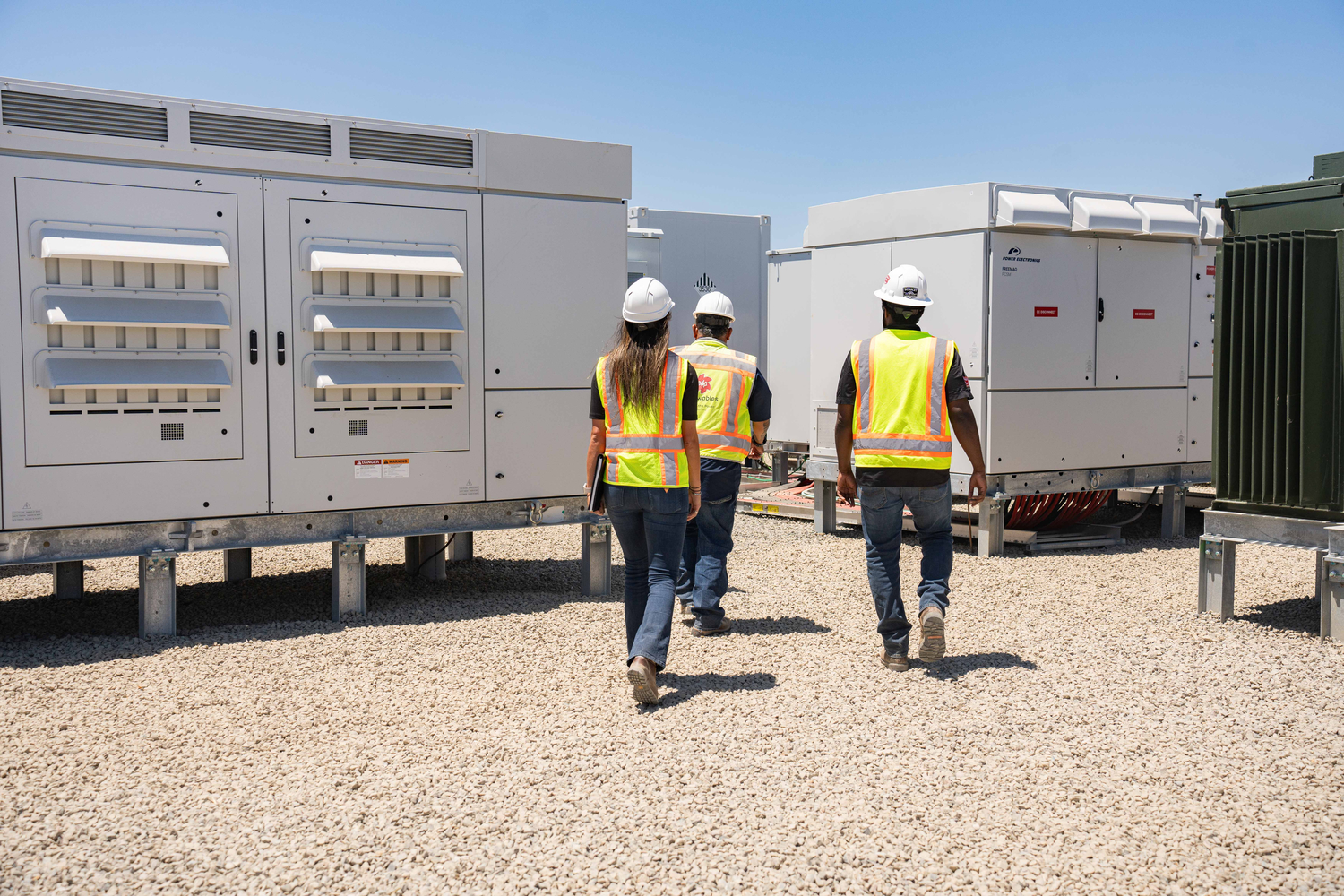
However, to fully utilize this effect, installing panels alone is not enough. Refrigeration systems also operate in the evenings and at night, when PV production is zero. This is where energy storage plays a key role. BESS (Battery Energy Storage Systems) allow for storing surpluses generated during the day and using them in later hours, increasing the share of locally produced energy in total consumption and improving the efficiency of the installation.
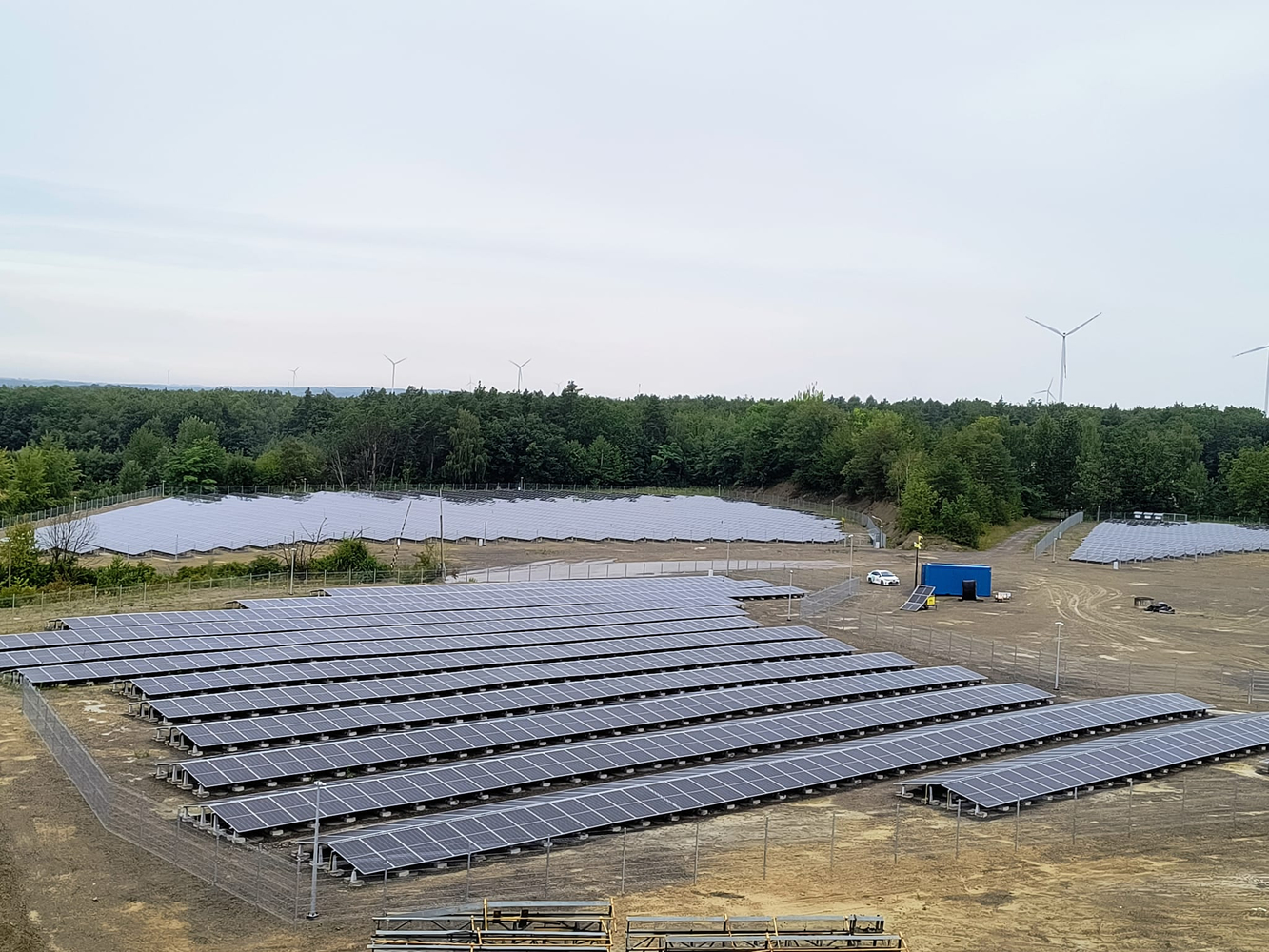
Such a combination allows for reducing energy intake from the grid during price peaks, increases cost predictability, and provides additional operational security for key cooling processes.
Financing and implementation without freezing capital
Implementing a comprehensive PV system along with energy storage for a large cold storage facility requires significant capital expenditure. For many operators working on low margins, freezing capital in energy infrastructure is a serious barrier to entry. The market’s answer is innovative financing models, such as PV as a Service and corporate on-site PPA agreements. In this model, an external investor and technology provider – e.g., EDP – finances, designs, installs, and maintains the solar system on the warehouse roof.
Thanks to the PV as a Service model, companies can fully benefit from solar energy without diverting capital from their core business. We take on the investment and operational burden, providing clean electricity that almost immediately improves the profitability of energy-intensive refrigeration operations – emphasizes Ireneusz Kulka.
Energy as a competitive advantage
In the cold chain logistics sector, more than in most others, energy management is becoming a matter of competitiveness. The combination of rising electricity prices and increasing demand forces operators to rethink how they source and use energy.
Solar energy, thanks to its natural correlation with cooling demand, is a logical starting point. Combined with storage and on-site models, it allows companies not only to lower costs but also to gain greater control over energy consumption. In an industry where energy consumption cannot be avoided, the ability to produce and manage energy locally is increasingly becoming a market advantage.