











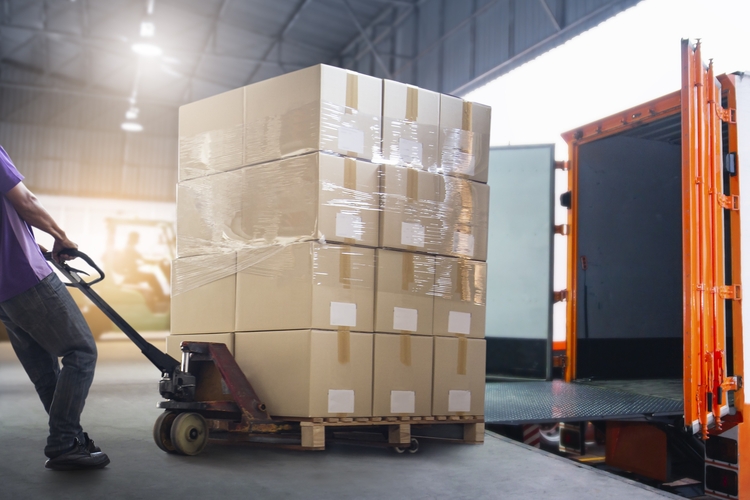
Shipping goods involves the risk of damage, especially over long distances and with multiple transshipments. Even sturdy cardboard boxes do not guarantee complete protection. In this context, parcel packing films play a key role, protecting shipments from moisture, shocks, and dirt. Check which types work best in transport and how to match them to your shipment.
Why is proper parcel packing crucial in transport?
Properly securing a shipment reduces the risk of financial losses associated with damage during transport. As many as 15–20% of courier parcels reach the recipient with various defects, most often caused by improper packing. Protective films minimize the contact of goods with moisture, dust, and mechanical shocks. Additionally, using the right parcel packing film limits the risk of items shifting inside the package, which is particularly important when shipping fragile products or electronics.
Types of parcel packing films and their applications
Choosing the right parcel packing film depends on the weight, shape, and susceptibility of the goods to damage. Various types are available on the market that fulfill specific protective functions. Among the most commonly used are:
- stretch film,
- bubble wrap,
- polyethylene (PE) foams.
Each of them has different mechanical and chemical properties, which determines the scope of protection.
Stretch film as universal protection
Stretch film is a flexible material that allows for tightly wrapping a package, stabilizing its contents. Its elasticity reaches up to 200–300% of its initial length, allowing for a tight fit to various shapes of boxes and pallets. Additionally, it creates a barrier against dust and moisture, and in black versions, it limits light access to sensitive products. Stretch film is used for wholesale transport, warehousing, and packing promotional sets.
Bubble wrap and PE foams – protection against damage
Bubble wrap consists of air chambers that absorb shocks and external pressure. It is particularly useful when packing delicate items such as:
- glass,
- ceramics,
- electronic equipment.
The thickness of the film is usually between 3 and 10 mm, which allows the level of protection to be adjusted to the weight and fragility of the shipment.
PE foams, in turn, are characterized by high flexibility and abrasion resistance. They come in the form of sheets or rolls and can be used both as filler for empty spaces in packages and as an additional cushioning layer placed at the bottom of the shipment or on its sides.
How to choose parcel packing films for the type of products being shipped?
The choice of parcel packing film should take into account:
- the weight of the package,
- the sensitivity of the package contents to shocks, moisture, and temperature,
- the specifics of the transport used to deliver the package to the recipient.
Fragile products require a combination of bubble wrap and stretch film, while mechanically resistant goods only need to be wrapped in stretch film.
Electronics or food products require additional anti-electrostatic or barrier protections. For large pallet shipments, stretch film provides stability, while PE foams fill gaps between items. It is also important to use the appropriate tension and number of layers of films and foams, which directly affect the effectiveness of the protection of the shipped goods.
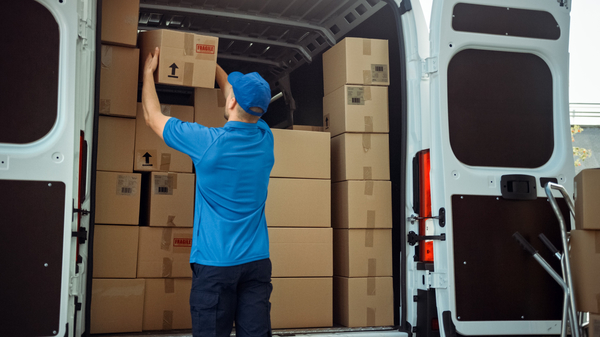
Summary – safe packing thanks to the right films
- Stretch films stabilize packages and protect against moisture and dust, acting as a mechanical barrier against these factors.
- Bubble wrap and PE foams effectively absorb shocks and protect items from mechanical damage.
- The choice of the right parcel packing film depends on the weight, shape, and sensitivity of the shipment.
- Proper packing reduces the risk of damage to goods by even several dozen percent, which translates into lower losses and greater satisfaction for the shipment recipient.