











For over four decades, the EU SEVESO Directive has mandated that manufacturers and logistics operators adhere to rigorous standards for the storage of products containing hazardous substances. Its importance is growing alongside the dynamic development of markets such as cosmetics, which has seen a 75.3% growth since 2014[1], and household chemicals, which reached a value of 1.65 billion euros in 2024[2]. The scale and complexity of warehousing operations in these segments make the selection of a specialized logistics operator crucial today. By entrusting their goods to such an operator, manufacturers not only receive a guarantee of safety but also avoid the risk of facility closure due to improper product storage.
In the 1970s, a serious industrial accident occurred in the Italian town of Seveso, resulting in the release of harmful substances into the environment. To prevent similar events in the future, the European Union developed the SEVESO Directive, aimed at ensuring a higher level of safety. Although nearly four decades have passed since its introduction, it remains highly relevant. The regulations have been updated several times, the scale of operations involving products with hazardous substances has increased, and the nature of potential threats has evolved. It is worth noting that such substances can be found not only in obvious products, such as chemicals or flammable substances, but also in everyday items – even in toys, whose batteries can potentially pose a threat to the environment.
The guidelines contained in the SEVESO Directive very precisely define the rules for storing products containing hazardous substances. However, not every manufacturer or distributor realizes how many details they cover – from quantity thresholds to documentation and safety systems. Failure to comply with the regulations can even lead to the suspension of a facility’s operations, which means serious financial losses. Storing chemical or cosmetic substances, especially in large quantities, requires appropriate procedures, trained personnel, specialized infrastructure, safety zones, and constant monitoring. All this makes it safest to entrust the handling of such products to specialized operators who ensure compliance with the law and the safety of the entire supply chain.
– says Mariusz Gajek, Technical Director for Central Europe at FM Logistic.
The highest level of safety
The regulations defined in Seveso cover all European Union member states, including Poland. Warehousing facilities subject to these regulations are under the constant supervision of specialized state units, such as the Provincial Inspectorate for Environmental Protection or the Provincial State Fire Service. These institutions not only conduct annual inspections of infrastructure and compliance with applicable standards but also issue administrative decisions regarding the operational capability of a given facility, based on detailed documentation and applicable law.
Additionally, the regulations resulting from the directive oblige operators to organize exercises every three years in cooperation with all fire brigade units in the region. During the last exercises held at our facility in March of this year, over 16 fire trucks took part. Various emergency scenarios were simulated to prepare employees and services for real-life potential crises. These exercises have immense practical significance – they allow the services to get to know the facility’s infrastructure thoroughly, check safety procedures in real conditions, and practice a full spectrum of rescue operations. Thanks to this, in the event of a real threat, the response of the services is faster, more effective, and better coordinated. For us, these exercises are also a test of whether the safety systems in place are working correctly.
– adds Mariusz Gajek.
Key safety requirements imposed by the SEVESO Directive also include constant control over the quantity and classification of substances stored in warehouses. This is the foundation of such facilities’ operations. Every manufacturer/distributor is obliged to prepare a product safety data sheet, specifying, among other things, the content of flammable and hazardous substances, but it is the operator who bears the responsibility for their ongoing monitoring. This is precisely why their role is so important – it is necessary to constantly calculate, sum up, and verify every batch of goods to ensure compliance with regulations and maintain full control over the facility’s safety. It is the operator’s daily, systematic work that determines whether a warehouse meets strict standards and can operate safely.
A warehouse ready for any situation
In warehouses with elevated safety standards, a variety of products are stored. Each of them requires appropriate storage conditions, which is why manufacturers and distributors often entrust this task to logistics operators. They take on not only the obligations imposed by regulations but also guarantee clients that their goods are stored in a safe and responsible manner.
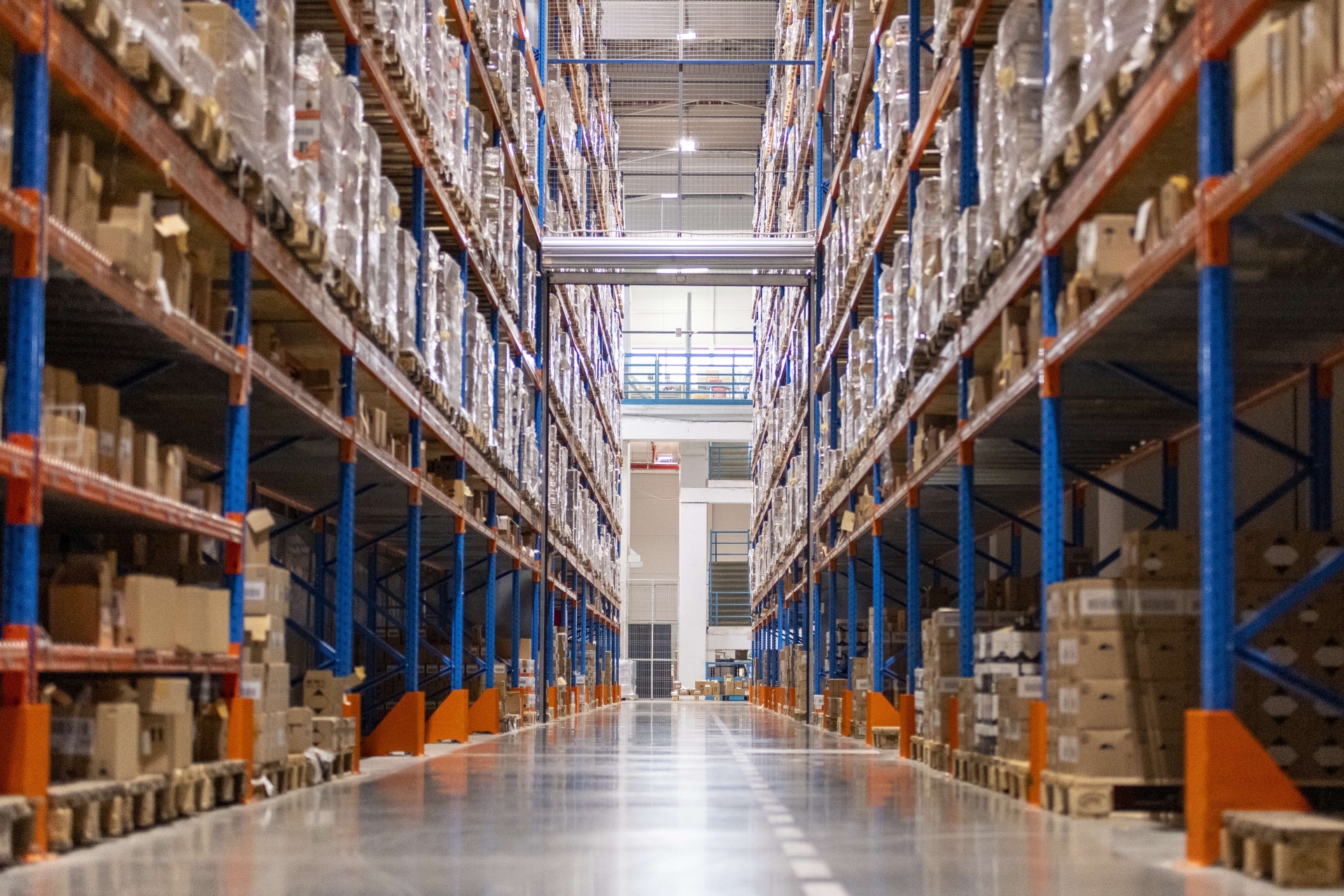
Our warehouses have been designed to enable the storage of various substances in conditions adapted to their specific nature. Facilities where products containing hazardous substances are stored are equipped with additional security systems – from smoke detection, a dedicated sprinkler system, through spill containment pallets and fire partitions, to a special reinforced concrete structure that protects against the leakage of substances into the environment. Additionally, we have implemented a closed water and sewage system, which acts as another protective barrier. Thanks to these solutions, we meet the highest safety standards, and our clients can have full confidence in the way their products are stored.
– says Mariusz Gajek from FM Logistic.
In the context of a dynamically changing market and growing environmental awareness, the ability to ensure compliance with rigorous regulations, such as the Seveso Directive, becomes an important differentiator. Thanks to this, manufacturers and distributors can not only focus on developing their business but also build lasting customer trust, having the certainty that their products are stored in a safe manner that complies with regulations and minimizes the risk of danger to both people and the environment.
[1] Report by the Polish Association of Cosmetic Industry and WiseEuropa “Cosmetic Poland. Report on the state of the cosmetics industry”
[2] Statista data
Source: FM Logistic Central Europe