











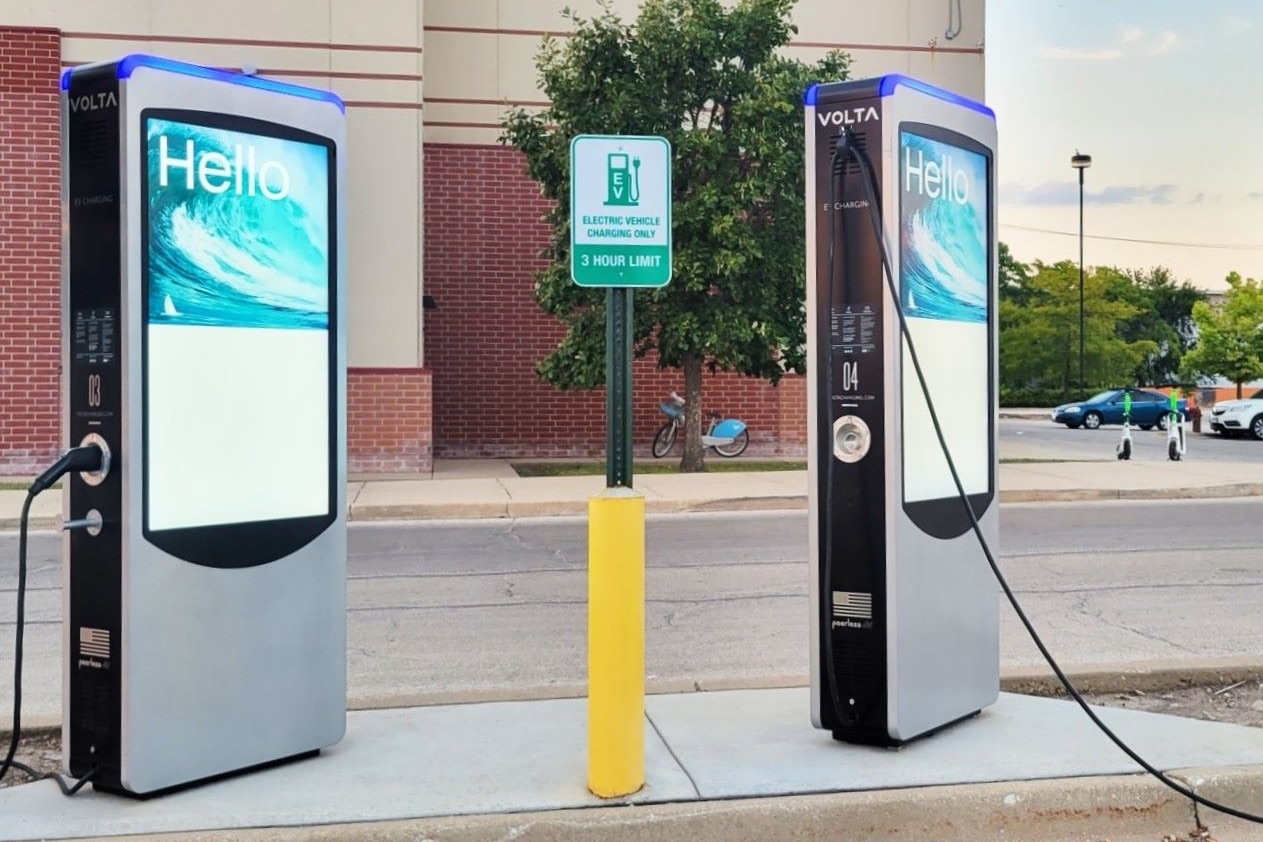
The electrification of road transport in Poland will proceed more slowly in the coming years than in Western Europe due to the relatively high purchase costs of new vehicles and insufficiently developed charging infrastructure, according to a report by the consulting firm Kearney. However, with technological progress and the expected decline in vehicle prices, the development of electromobility should accelerate significantly after 2030.
The electrification of road transport—a key aspect of the energy transition in the European Union—has been stirring extreme emotions for years, ranging from enthusiasm to strong aversion. The controversy stems from poor infrastructure development, a lack of technological maturity, high vehicle purchase costs, and broadly understood consumer freedom. Despite these barriers, we expect a noticeable increase in the popularity of electric vehicles in Poland after 2030.
– says Adam Rusiecki, a director in Kearney’s Warsaw office.
According to Kearney’s estimates, in 2030 only one in three new passenger cars sold in Poland will be purely electric, while in the entire EU, this figure will exceed half. Five years later, however, electric cars will account for almost 100 percent of new cars sold in both Poland and the EU. As a result, the share of internal combustion engine passenger cars on both European and Polish roads will fall to 53 percent in 2035 from the current 88 percent.
Plug-in hybrid powertrains will serve as a bridge technology in the process of road transport electrification over the next five years, providing independence from charging infrastructure while ensuring low emissions. This type of powertrain is promoted by car manufacturers and is increasingly chosen by consumers.
EU regulations and solutions
As Kearney experts point out, a key factor supporting the electrification of individual transport in the EU remains the legal ban on the sale of light vehicles equipped with internal combustion engines, which is set to take effect in 2035. Despite signals from EU representatives regarding the possibility of easing these regulations, the EU market will strive for full or near-full electrification of new light vehicles in the coming decade.
Regardless of the final solutions adopted by the EU, the most realistic scenarios for the development of the energy mix in individual transport indicate that mass electrification is inevitable. Within a decade, battery-based electric propulsion (BEV) will become the dominant technology among new vehicles in both the EU and Poland, contributing to the rapid evolution of the individual vehicle fleet toward electromobility. This is a different situation compared to the heavy-duty vehicle segment, where biofuels will be the dominant means of decarbonization in the coming decade.
– says Michał Nowak, a manager in Kearney’s Warsaw office.
Kearney experts predict that in 2030, the number of fully electric vehicles (BEVs) in Poland will reach nearly 1 million, compared to the more than 120,000 projected for this year. By then, the number of electric vehicles per charging point in Poland will exceed the EU-recommended value of 20. Currently, this ratio (EV/CP) is only 7.
The price of progress
In the coming years, further technological progress in battery production can be expected, which will allow for further reductions in the prices of electric vehicles. This will lead to increased production and heighten market pressure for infrastructure development, which, as Kearney experts emphasize, is a key factor for widespread electrification.
The prices of new electric cars have fallen significantly over the past year, and a comparable car, for example in the C-segment, can be cheaper today than one with an internal combustion engine, especially if we include subsidies. However, used internal combustion cars pose price competition for new electric vehicles, especially among individual customers. In the long term, the value proposition of electric vehicles built on high efficiency will prove to be the optimal solution both at the economy level and for the individual user.
– adds Adam Rusiecki.
The Kearney report on the transformation of the automotive sector in Poland is available at the link.
Source: Kearney