








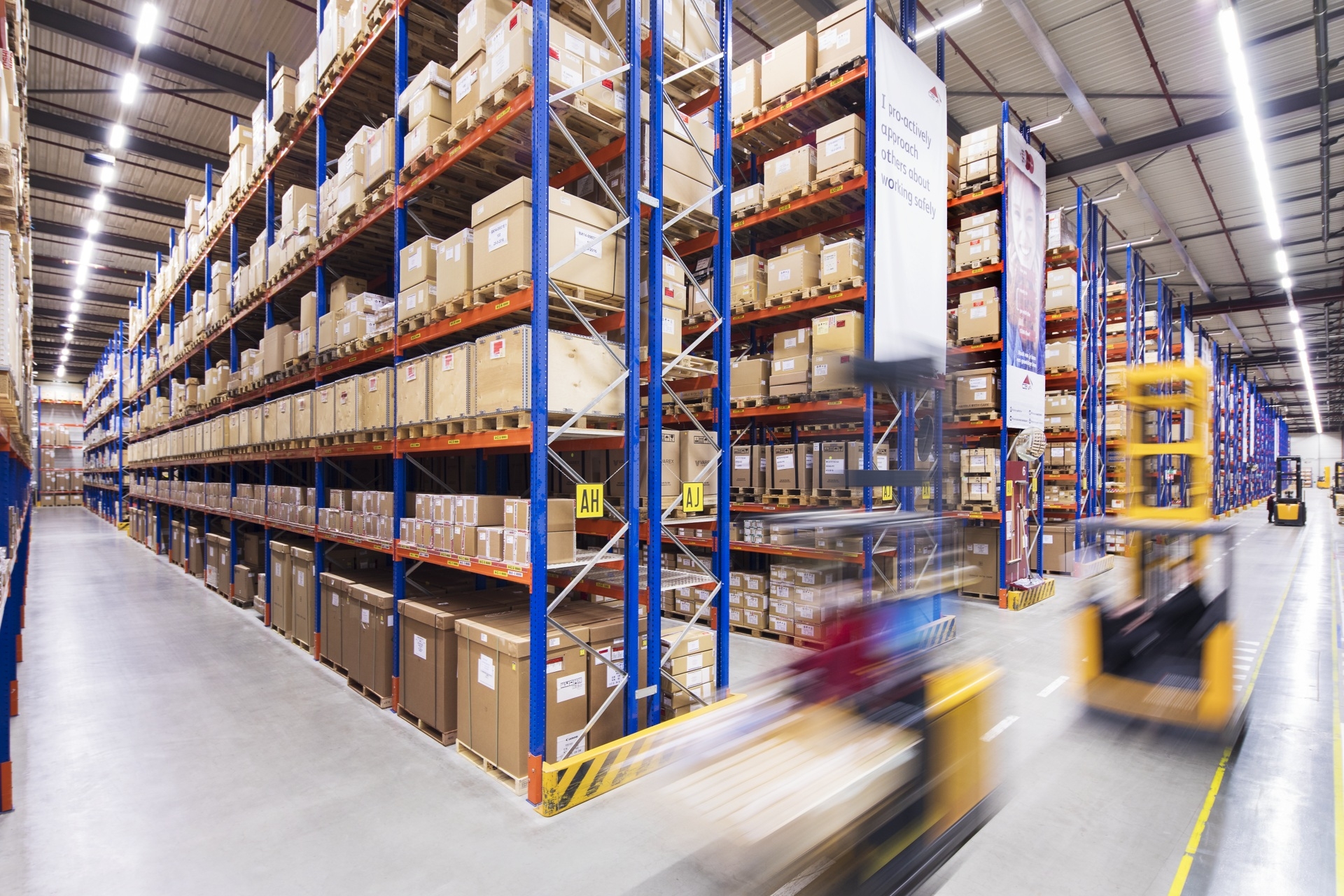
By 2030, the global retail logistics market will more than double, driven by e-commerce, new technologies, and the growing expectations of conscious consumers. Automation, artificial intelligence, short supply chains, and full transparency will become the standard. CEVA Logistics is already investing in solutions that allow it to meet these challenges and seize the opportunities that the market of the future will bring.
Personalization, technology, and sustainability are the key factors that will define retail logistics by 2030. Social media and the growth of e-commerce will continue to shape consumer behavior, and retailers and logistics service providers—through increasingly strategic partnerships—will respond to these changes by integrating advanced technologies to optimize their supply chains. However, as CEVA Logistics experts emphasize, a significant operational challenge remains: how to reconcile maintaining high levels of customer satisfaction with business growth while simultaneously prioritizing environmental issues.
The role of logistics service providers in the evolution of retail logistics
The global retail logistics market, valued at USD 244.62 billion in 2022, is expected to reach USD 592.81 billion by 2030, representing a compound annual growth rate (CAGR) of 11.70% (according to Vantage Market Research). Similarly, the global e-commerce market, valued at USD 18.98 trillion in 2022, is expected to grow to USD 47.73 trillion by 2030, with a CAGR of 12.22% between 2022 and 2030 (according to Researchandmarkets). E-commerce will continue its transformative impact on logistics, driving innovations that will shape the future of supply chains. At the same time, increasingly conscious consumers easily compare delivery times, prices, and product features, which further influences how retailers and logistics service providers operate and compete in this changing environment.
By 2030, immersive technologies—such as augmented reality (AR) and virtual reality (VR)—will allow customers to, for example, virtually try on clothes before purchasing. The integration of big data analytics and artificial intelligence (AI) will enable better inventory planning and increase operational efficiency, especially during sales peaks. According to CEVA Logistics experts, this is a breakthrough moment for logistics service providers to take on a strategic role in serving the retail market, particularly in terms of predicting and managing demand peaks, such as Black Friday or Singles’ Day, by 2030.
Operational challenges in meeting consumer expectations
By 2030, millennials will make up 75% of the global workforce and a significant portion of purchasing power. This generation, along with Gen Z, expects not only convenience and speed but also ethical and ecological standards in brand operations. As early as 2020, 60% of respondents to the McKinsey 2020 US Consumer Confidence Survey declared a willingness to pay more for environmentally friendly packaging. Preferences for local, ethically produced products mean that logistics operators must implement short, low-emission supply chains, new technologies, and infrastructure investments while maintaining competitiveness.
Decarbonization and supply chain transparency
In addition to technological innovation, retailers and logistics service providers will have to face the challenge of decarbonizing their operations—both to meet regulatory requirements and to satisfy customer expectations regarding sustainability. One of the key initiatives is the Digital Product Passport (DPP) introduced by the European Commission as part of the Ecodesign for Sustainable Products Regulation (ESPR), which entered into force on July 18, 2024. At the same time, cities such as Amsterdam, Hamburg, and Singapore plan to introduce zero-emission zones by 2030, which will force the implementation of alternative solutions for urban transport. For example, Amsterdam will ban the use of combustion-engine vehicles for commercial purposes starting in 2025, with a full transition to zero-emission transport occurring five years later.
CEVA Logistics – a partner in the logistics of the future
In the face of dynamic growth in the retail logistics market and rising consumer demands, CEVA Logistics consistently invests in innovative technologies, automation, transparency, and solutions supporting sustainable development. Thanks to its global scale and flexible cooperation models, the company supports clients in building resilient, efficient, and responsible supply chains that will meet the challenges of 2030 and the decades to follow.
Source: CEVA Logistics