











The TSL industry needs a new direction for development. A strategic transshipment hub could be the key to regaining the country’s competitiveness and logistical independence – says Joanna Porath, owner of the AC Porath customs agency.
In 2025, the Polish TSL industry is still struggling with the consequences of global crises. The instability of transport routes continues to affect delivery times and dramatically increases operating costs.
– explains Joanna Porath, owner of the AC Porath customs agency.
Poland as a subcontractor – time for a change
A fundamental problem of the Polish TSL industry is its dependence on dominant European players. Poland lacks medium and large transport companies capable of competing with large entities from other European countries – points out the report by the Polish Economic Institute “The TSL industry in the face of autonomization and war”.
We are often just subcontractors in a supply chain dominated by large European entities. We do not have our own logistics hubs of international importance that would allow us to dictate terms and direct cargo flows.
– emphasizes Joanna Porath.
Would a strategic hub, in the form of the Central Communication Port (CPK), have a chance to change Poland’s situation on the market in an international context?
– Undoubtedly, when a country has its own strategic transshipment hub, it gains control over transport flows and can mitigate unexpected crises in supply chains – adds Joanna Porath.
CPK as a strategic hub – potential and challenges
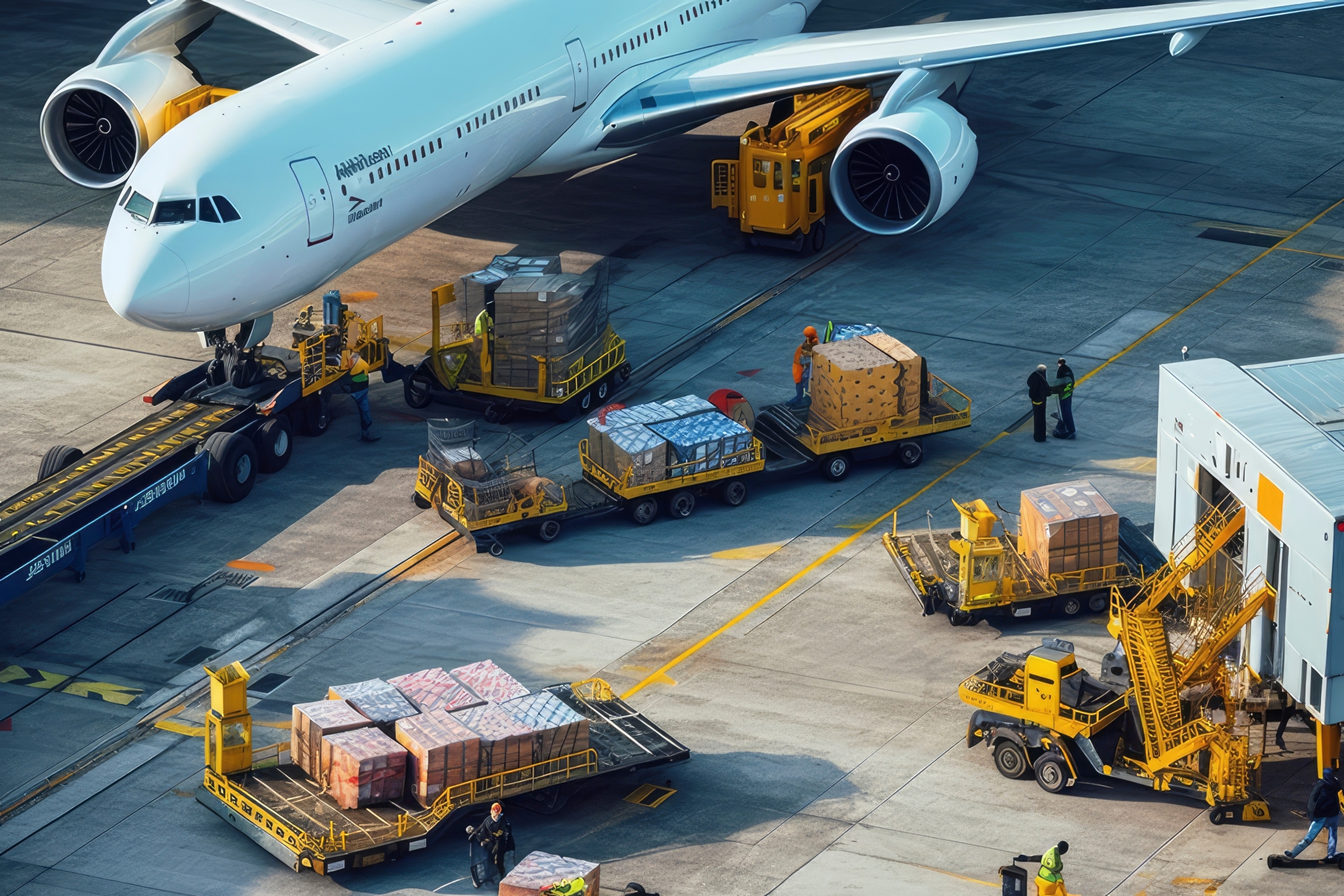
Examples of global hubs show how this type of infrastructure affects the competitiveness of an entire region. A strategic transshipment hub in Poland could facilitate:
- transforming from a peripheral contractor into a strategic player in the Central and Eastern European logistics market
- securing against disruptions on traditional transport routes, such as those observed in the Red Sea or the Strait of Hormuz
- controlling the flow of goods between Europe and Asia, especially in the context of the development of the New Silk Road
Intermodal potential and rail connections
The development of intermodal transport within the CPK is of particular importance. Over the last two years, rail transport has been gaining importance as an alternative to the problems of maritime shipping.
Legal challenges – the biggest barrier
However, for the CPK to effectively compete with Western hubs, changes in customs and tax law are necessary. Currently, Poland does not have competitive solutions in terms of:
- Fiscal clearance – in Western countries, importers can settle VAT in their tax return, while in Poland they must pay it physically at the time of clearance
- Liability for customs debt – Polish regulations impose joint liability on customs agencies and importers, which increases risk
- Digitalization of processes – lack of a unified control system and an excess of bureaucratic procedures
Without changing customs and tax law, we will not attract importers. We can build a huge airport and high-speed rail, and we still won’t be competitive due to formal obstacles.
– warns Joanna Porath.
With proper legal and customs preparation, a transshipment hub in Poland can contribute to partial independence from foreign logistics hubs, increase resilience to global transport crises, and strengthen our country’s position in regional logistics. However, the key will be to attract international investors and logistics operators who will actually want to use Polish infrastructure.
If we want the CPK to truly function as a hub for Central and Eastern Europe, we must start working now on adapting our legal and customs system to the best European standards. Infrastructure alone is not enough. We need a comprehensive approach to the entire logistics system.
– concludes Joanna Porath.
Source: AC Porath