











The Polish economy rebounded strongly in 2024. Real GDP grew by 2.9% this year, marking a significant increase compared to just 0.2% in 2023. The recovery was driven primarily by private consumption, supported by strong wage growth, increased government support for households, improved consumer confidence, and easing inflationary pressures. Real GDP is projected to grow by 3.6% in 2025, while moderate growth of 3.1% is expected in 2026.
Employment levels fell in the first half of 2024, reflecting suppressed economic activity in the previous year, with the unemployment rate at 2.9% at the end of the year. Moderate employment growth is expected in 2025 and 2026, constrained by labor market stagnation and a shrinking working-age population. However, the rising employment rate among displaced persons from Ukraine is expected to positively impact overall employment levels. Unemployment is projected to fall slightly in 2025 and 2026, to 2.8% and 2.7%, respectively.
HICP inflation was 3.7% in 2024. A temporary rise in headline inflation to 4.7% is projected for 2025, driven by the unfreezing of energy prices and an increase in excise duties. Poland is the largest economy in the Central and Eastern Europe region and one of the fastest-growing economies in the European Union, also boasting a stable labor market with consistently low unemployment rates. In fact, Eurostat ranked Poland as the country with the second-lowest unemployment rate in the EU in 2024.
Warehouse market in Poland – stabilization with a touch of caution
At the beginning of 2025, the Polish warehouse market showed signs of stabilization, accompanied by growing caution among both developers and tenants. Market players are increasingly focused on risk mitigation in light of the changing economic and geopolitical landscape.
– notes Dorota Koseska, Director, Industrial Agency at Avison Young
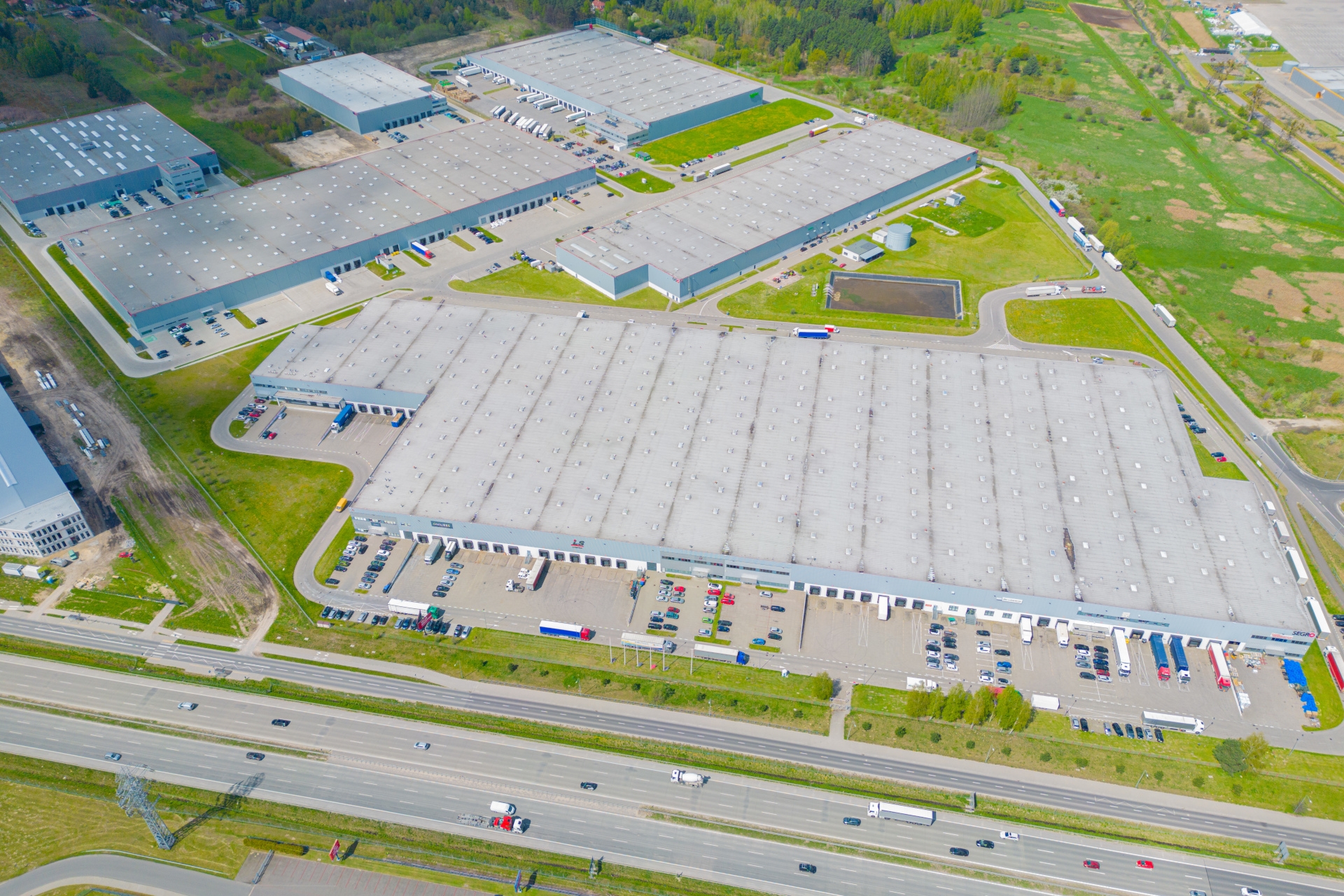
Total modern warehouse space in Poland has exceeded 35 million sqm. However, this is also a signal of a slowdown in future growth potential. Vacant space has reached a record level of 3 million sqm, which translates to an average vacancy rate of just over 8%.
In Q1, lease renegotiations dominated, accounting for approximately 60% of transactions, as tenants prioritized operational continuity and cost control over relocation or expansion.
New investments have slowed significantly. Only 1.4 million sqm of space remained under construction, with a focus on build-to-suit (BTS/BTO) projects. Speculative projects are less common and are carefully managed for risk.
Rents remained stable, ranging from 3.70 to 5.50 EUR/sqm per month, depending on location and asset quality. Effective rental rates are under pressure in regions with high vacancy levels, prompting landlords to offer increasingly competitive lease terms.
High tenant activity was recorded in Warsaw, Upper Silesia, Lodz, and the Tri-City, where the largest lease agreement since the beginning of the year was signed.
The highest vacancy levels were recorded in Western Poland and Wroclaw, where landlords are becoming increasingly flexible regarding both lease terms and offered rental rates.
In the context of what lies ahead, we expect current trends to continue. Lease extensions will continue to dominate demand, while developers will remain selective when starting new investments. Nearshoring is becoming a key growth factor, especially in border regions. The Polish warehouse market is transitioning from rapid expansion to a more mature phase, defined by strategic, demand-driven investments.
– adds Dorota Koseska.
Tenant perspective
The Polish warehouse market is showing a tendency to create favorable conditions for tenants, especially in regions with higher vacancy levels and in older or less flexible facilities.
Conversely, landlord-favorable conditions dominate in locations with limited availability, particularly for large spaces (>30,000 sqm). In such cases, developers with ready-to-lease facilities can dictate terms, as availability is often more important than price, especially with lead times for new investments ranging from 8 to 12 months.
As a result, the market is becoming increasingly hybrid, with the advantage lying with those best prepared to meet current demand, whether through flexibility or immediate availability.
– concludes Katarzyna Madej, Director, Industrial Agency at Avison Young
In recent years, tenants have moved away from seeking standard warehouse space in favor of solutions tailored to their operational needs.
Key tenant expectations of developers:
- Adaptation to specific processes (e.g., light manufacturing, assembly, packaging, or specialized logistics)
- Flexible lease terms and investment schedules (lease duration, phased occupancy, expansion potential)
- Proactive support throughout the project, from technical consulting and permitting to timely delivery
There is also an increasing emphasis on:
- Sustainability with demand for certified buildings (BREEAM, energy-saving systems, and readiness for renewable energy use)
- Strategic location, where access to transport infrastructure, labor, and last-mile logistics outweigh cost considerations
- Partner flexibility, understanding their business and supporting the entire investment process.
What trends are we observing this year?
- Nearshoring is taking shape, with companies moving closer to Western and Northern Europe. Poland, especially its eastern and south-eastern regions, is benefiting from its location and infrastructure. – comments Łukasz Ciepły, Director, Industrial Agency at Avison Young
- Regions with high space availability are competing for tenants – in Western Poland and areas with high vacancy levels, landlords face greater pressure, which favors flexible lease agreements and financial incentives attractive to budget-conscious companies.
- ESG is becoming increasingly important in tenant decisions – tenants now require standards such as BREEAM, solar panels, and energy recovery. – emphasizes Łukasz Ciepły – Modern, eco-friendly buildings have an advantage over older warehouses.
- New technologies address rising operating costs – labor shortages are driving investments in warehouse automation and smart solutions, especially in logistics and e-commerce centers.
Source: Avison Young