











Green lease agreements, which include ESG-related provisions in addition to standard terms, help reduce the environmental impact of leased properties, according to the “Green Logistics” report prepared by CBRE and DHL Supply Chain. To this end, the agreements contain appropriate clauses – for both the tenant and the landlord. Both parties benefit from this. Tenants can, for example, lower electricity or heating bills, demonstrate a lower carbon footprint, strengthen their positive image, or make it easier to meet EU ESG standards. In turn, landlords increase the value of the warehouse through green lease agreements, gain better financial stability, and have a better chance of attracting prestigious tenants.
In practice, green leases may include commitments to, for example, improve the building’s energy efficiency, use renewable energy sources, reduce water consumption, properly recycle waste, promote sustainable means of transport such as bicycles, or use environmentally friendly materials for building modernizations.
When drafting green lease agreements, it is worth remembering to include measurable indicators, so-called KPIs (key performance indicators), based on which it will be possible to clearly determine whether the arrangements have been met. This is very much lacking in currently signed agreements. Instead, there are declarations about the desire to reduce the building’s impact on the environment, which should really be treated as a typical image-building action, not as a real green lease agreement. It is also worth considering including penalties in the agreement related to non-compliance with green clauses.
– says Joanna Mroczek, Head of Strategic Advisory at CBRE.
Benefits for tenants
In warehouse buildings and those containing light industrial components, tenants are responsible for up to 95 percent of energy consumption due to the lack of common areas. This means that the bulk of the responsibility for reducing energy consumption and, consequently, for reducing the emissions of such buildings lies in their hands. By complying with the provisions contained in green lease agreements and increasing the energy efficiency of the warehouse, they can optimize operating costs by lowering electricity or heating bills. This brings a real financial benefit, especially in the long term. In this way, they also reduce their carbon footprint and can demonstrate better environmental indicators when reporting in accordance with the CSRD – the EU directive on corporate sustainability reporting. Additionally, acting in accordance with ecological standards strengthens the company’s positive image in the eyes of investors, customers, and employees.
Benefits for landlords
As with tenants, green lease agreements support landlords in the process of achieving their own decarbonization goals while simultaneously increasing the value of the facilities and, consequently, the value of the real estate portfolio. One should also not forget about optimizing warehouse maintenance costs. Investments in energy-efficient systems and sustainable technologies make it possible to reduce operating costs, such as energy or maintenance.
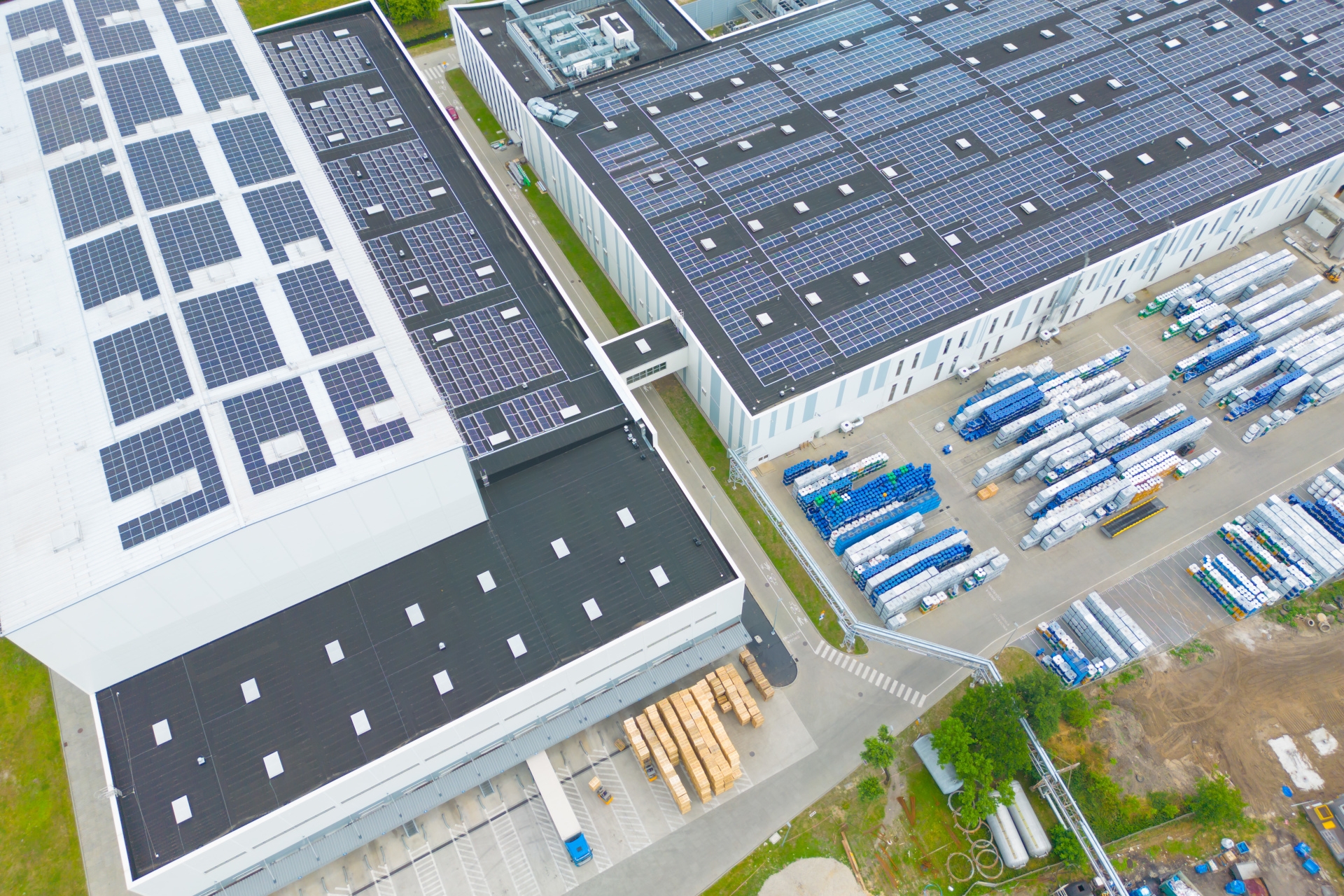
One of the most common provisions in green lease agreements is the commitment to install photovoltaic panels on the warehouse roof or to sign contracts for the supply of energy from renewable sources, such as wind or solar. At the same time, it is worth remembering that purchasing Guarantees of Origin for electricity from RES cannot affect either the energy characteristics of the building or the fulfillment of the decarbonization condition. Only an own RES source or a long-term PPA contract help in the authentic decarbonization of a building.
– says Piotr Szarek, EMEA Transport Decarbonization Lead & Environment Sustainability Manager CEE, DHL Supply Chain.
Green agreements are the future
Companies that focus on sustainable development gain a competitive advantage. They respond to the growing needs of consumers and investors, who are increasingly attaching importance to ecological practices. In the coming years, we can expect green lease agreements to become the standard in the warehouse real estate market. As green technologies develop and environmental standards become increasingly restrictive, tenants and landlords will have to work closely together to create environmentally friendly spaces.
Source: CBRE Group, Inc.