











The development of e-commerce is gaining momentum and contributing to the transformation of the European logistics market. The growing popularity of online shopping is displacing the traditional retail model. Logistics centers, built with direct-to-consumer delivery in mind, are becoming a key link in modern trade. As the latest Prologis Research shows, with e-commerce growing at a rate of over 5% per year, Europe will need an additional 1.4 – 1.9 million square meters of logistics space annually over the next five years.
Currently, online shopping accounts for approximately 10% of retail sales in Europe. Data from Prologis Research indicates that by 2030, this percentage could rise to 13.4%. The e-commerce growth trend is influenced by, among other things, the increasing popularity of mobile shopping, faster deliveries, and growing consumer trust in e-shops. The number of retailers investing in the integration of online and offline sales channels is increasing, which further drives the digital transformation of trade. The development of e-commerce will entail a demand for modern logistics facilities that meet changing consumer expectations and ensure greater supply chain efficiency – especially in regions that provide access to a large pool of potential customers.
Poland against the backdrop of Europe – e-commerce is gaining momentum
The growing importance of online trade in Europe is also reflected in Polish statistics. According to estimates by the Polish Chamber of Commerce, based on Statistics Poland (GUS) data, the beginning of 2025 brought the best results for Polish e-commerce in five years. In January, online sales reached a value of PLN 6.94 billion and accounted for 9.1% of total retail sales, which means an increase of 9.4% year-on-year. In February, this share was 9.0%, with a 5.2% increase in turnover compared to the same month in 2024.
Asian e-commerce giants are changing the balance of power
With rising consumer expectations regarding fast order fulfillment and the popularization of the direct-to-consumer (D2C) sales model, the European logistics market is undergoing an intense transformation. Strong pressure for the development of modern warehouse infrastructure is being exerted by global brands from Asia, which are increasingly boldly marking their presence in Europe. In Spain, e-commerce powers from the Far East already account for 34% of all online purchases, and in Germany, their share has tripled since 2022. This dynamic expansion significantly increases the demand for technologically advanced warehouses and distribution centers.
EU trade policy accelerates the reorganization of supply chains
The transformation of the logistics market is not only the result of consumer and technological changes, but also the result of new legal regulations. Changes planned by the European Union, including the reform of de minimis tax exemptions (currently allowing duty-free import of goods worth less than 150 euros), may significantly affect the operating costs of platforms using global supply chains. Faced with these challenges, more and more companies – following the trends observed in the United States – are deciding to restructure their logistics. Instead of relying on long transport routes, they are moving operations closer to the customer – to regional order fulfillment centers and local warehouse hubs. Such a model allows not only for significantly shortening delivery times, but also for better cost control, faster response to the needs of individual markets, and increased flexibility and resilience of logistics chains.
The dynamic growth of online sales in Poland and Europe, the expansion of global players, and new legal regulations are elements of a broader transformation that encompasses the e-commerce industry. In a changing reality, Poland – thanks to its central location, modern infrastructure, and well-developed warehouse facilities – is playing an increasingly important role. Trends such as the diversification of supply sources and the growing importance of local supply chains will strengthen in the coming months. We are already observing that more and more global companies are deciding to locate logistics centers of key importance to their operations in our country. At Prologis, we are prepared to support our partners in efficiently adapting to market changes.
– comments Paweł Sapek, Senior Vice President, Regional Head Prologis in Central Europe.
Urban logistics is becoming a priority
Customers expect faster and faster deliveries. This entails an increase in the importance of warehouses within cities and in their immediate vicinity. Strategically located facilities allow for shortening order fulfillment time, optimizing costs, and increasing supply chain resilience.
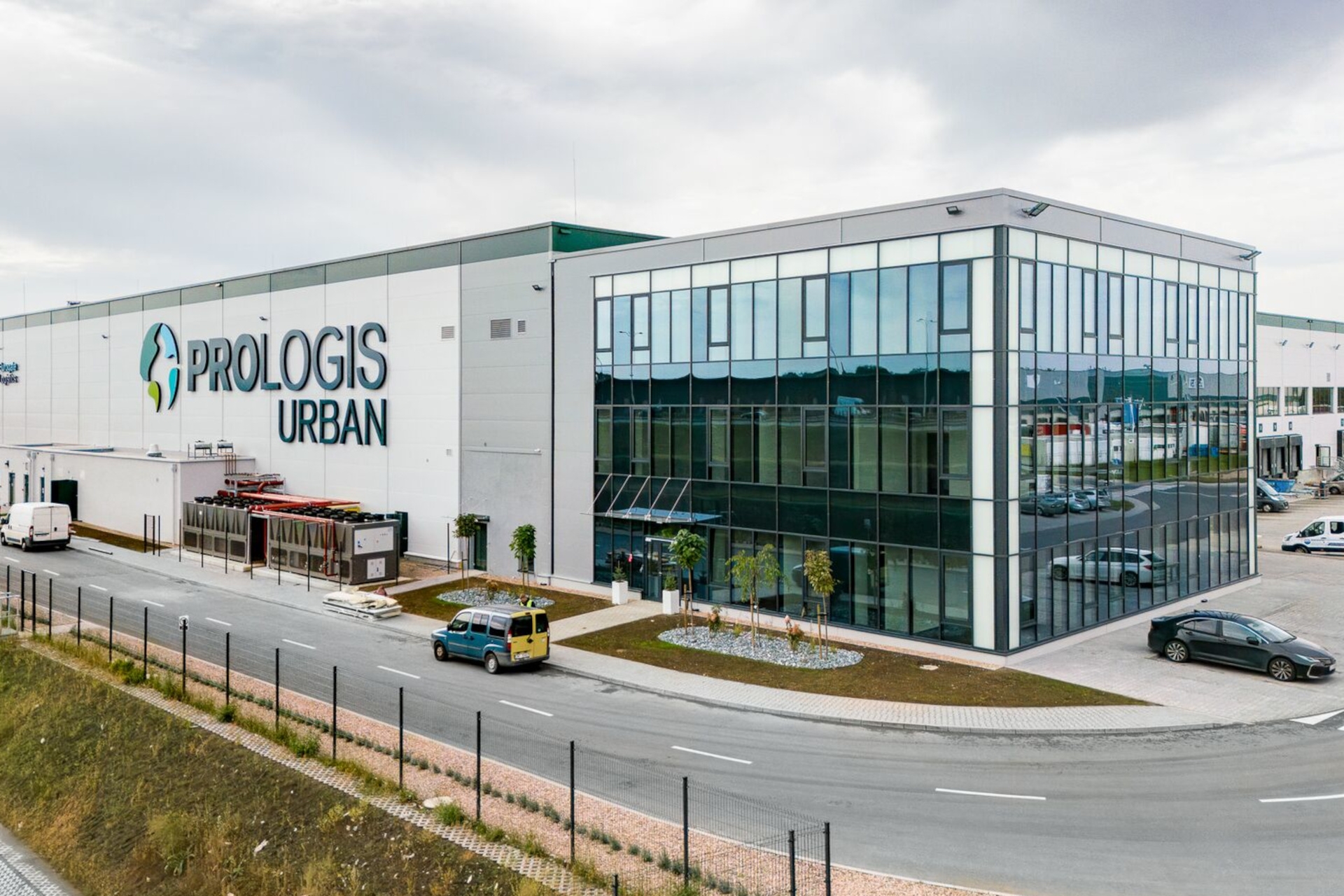
Fast delivery is one of the priorities for the e-commerce industry. Therefore, proximity to the end customer is crucial. Hence the growing role of urban logistics. Prologis has warehouse space in Poland in cities such as Warsaw, Łódź, Wrocław and Poznań, thanks to which we support companies that particularly benefit from proximity to the end customer.
– emphasizes Paweł Sapek.
Source: Prologis