











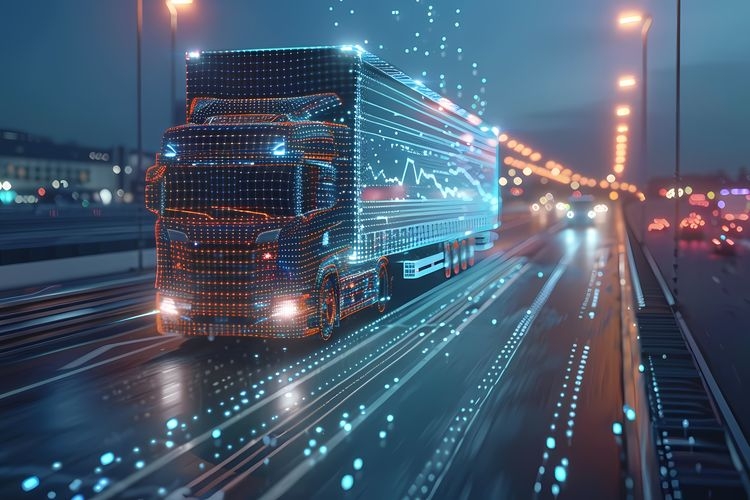
Companies are increasingly analyzing not only fuel costs but also the carbon footprint generated by every transport operation. In road transport, even minor changes in route, load, or vehicle type can significantly impact CO2 emissions. Emission calculation tools allow every kilometer to be converted into hard environmental data, rather than just financial figures. This enables entrepreneurs to make more informed decisions regarding route planning and the choice of transport modes.
Below, we look at real solutions that allow you to not only reduce your environmental impact but also improve financial results. From precise emission counting and fleet optimization to data that builds brand credibility – this is a practical approach to ecological logistics that delivers results.
Logistics in the ECO rhythm – how to realistically reduce your fleet’s carbon footprint
Sustainable transport does not start with grand declarations, but with consistent operational actions. Load optimization, avoiding empty runs, consolidating deliveries, or changing loading schedules are solutions that bring immediate effects. In many cases, analyzing data from TMS systems is enough to identify opportunities to reduce kilometers traveled without decreasing delivery volumes. This means not only fewer exhaust emissions but also real budget savings.

Fleet electrification – a step towards neutrality, but not for everyone
Switching to electric vehicles is one of the most obvious steps towards ecology, but it is not always the most effective. In long-haul transport, range limitations and charging infrastructure still pose a challenge. However, in urban logistics and last-mile delivery, electric delivery vehicles work perfectly. The key is matching vehicles to the nature of the route and the type of cargo – not every company will benefit from electrification to the same extent.
Green supply chain – when partners determine your ecological footprint
Sustainable development does not end with your own fleet. Cooperation with carriers that use ecological practices and the selection of suppliers who implement emission-reduction systems have a direct impact on the company’s overall environmental balance. Companies that analyze their entire logistics chain from an ecological perspective build not only a greener brand but also a more stable operational model, resilient to growing regulatory requirements.
Data instead of declarations – how technology verifies eco-friendliness
Every sustainable development strategy should be backed by data. Fleet monitoring, analysis of driver behavior, telematics systems, and intelligent energy management allow for the precise measurement of the effectiveness of pro-ecological actions. Declaring emission reductions without a concrete analytical background is losing its value – both for investors and customers. Technology not only helps reduce environmental impact but also becomes a tool for building company credibility.
ECO-transport as a competitive advantage – not just for PR
Ecological transport today is not just a matter of image, but increasingly a condition for market entry. Large corporations require specific environmental indicators from their partners, and public tenders often reward low-emission solutions. Companies that can present data on their environmental impact gain a real advantage. This is not the future, but the present – and ecology is ceasing to be a cost, becoming an investment in development.
The article was created in cooperation with: https://wiselog.eu