











Climate neutrality has become one of the priority goals for the logistics sector as well, and reducing carbon dioxide emissions from warehousing operations plays a significant role in achieving it. Processes carried out in logistics facilities involve high energy demand while simultaneously emitting significant amounts of greenhouse gases, generating waste, and contributing to increased water consumption. Although warehouse facilities have undergone significant changes aimed at reducing their environmental impact, the road to satisfactory results remains long. Logistics operators, their clients, and subcontractors must face a series of technological, infrastructural, and legal challenges.
The evolution of warehouse spaces
Current logistics buildings, although visually not much different from facilities built several decades ago, have undergone a significant transformation in terms of infrastructure. Changing standards, the pursuit of zero emissions, legal conditions, and client expectations mean that warehouses are no longer viewed solely from the perspective of their functionality. Maximizing energy efficiency, reducing costs, and limiting CO2 emissions are equally important. For functional assumptions to go hand in hand with sustainable development, cooperation between the client, operator, and developer is essential. The client defines their expectations, while the task of the operator and architects is to develop a building concept tailored to the specifics of the business and operational needs, but also climate-friendly.
A particular challenge is designing multi-client warehouses intended to serve clients from various industries. The space must be flexible and adaptable so that it can be easily adjusted to the needs and scale of operations. At the design stage, it is important to find a compromise between costs and the necessity of applying specific solutions, such as roof reinforcements, advanced insulation, or adapting rooms requiring specific temperature conditions. Both clients and operators strive for warehouses to meet these requirements while maintaining low emissions and energy self-sufficiency.
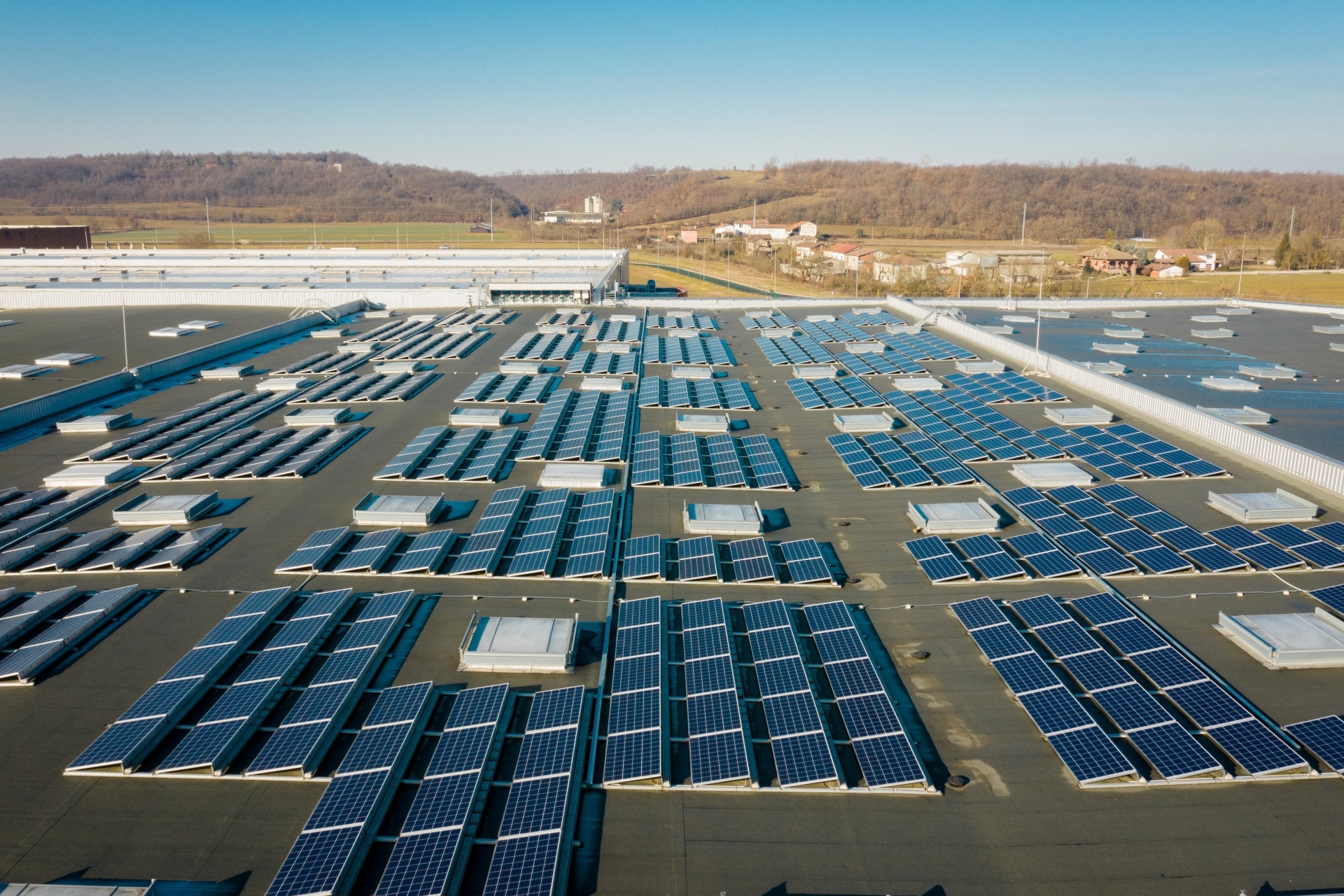
The current trend in designing logistics spaces is to create highly energy-efficient buildings that, thanks to the use of renewable energy sources, reduce operating costs while meeting high environmental standards. In practice, solutions such as photovoltaic installations and heat recovery systems are used, which significantly reduce the negative impact of warehouse operations on the natural environment. Such facilities represent an investment with great future potential, both from an economic and environmental perspective.
– says Mariusz Gajek Technical Director in Central Europe, FM Logistic.
There are prospects, but there are limitations
Low-emission warehouses are one of the biggest challenges currently facing the logistics industry. Large-scale facilities and the energy-intensive processes carried out within them generate significant amounts of CO2. To reduce the negative impact on the environment, operators are looking for low-emission solutions. One of these is heat pumps, which convert electricity from photovoltaic panels into thermal energy, effectively heating large-scale warehouses. However, there is still a deficit related to energy storage, which could be used at a different time than when it is produced by photovoltaic installations. Although photovoltaic technology is developing intensively and has a promising future, its full potential is not yet utilized, partly due to insufficient adaptation of the energy grid in Poland and limitations related to energy buffering.
Currently, the size of photovoltaic installations is selected to ensure the highest possible level of energy self-consumption. This is primarily due to the limitations of the Polish energy infrastructure, which in many places is not yet adapted to transmit surplus energy to other locations, and the lack of possibilities for its effective storage. However, this creates space for the development of new technologies that would allow for storing excess energy in the form of hydrogen. Such a solution would not only ensure the energy stability of facilities in the event of temporary power shortages but would also relieve the energy grid. However, appropriate legal regulations and support for the development of new technologies are necessary to implement these solutions.
– says Mariusz Gajek from FM Logistic.
In the case of warehouses built a dozen or several dozen years ago, the scale of difficulty in finding solutions for energy efficiency is incomparably greater. Buildings constructed before the introduction of the “Green Deal” concept were not designed with modern solutions in mind, such as improved insulation materials, the installation of heat pumps, or the installation of photovoltaic panels on roofs. Operators and contractors are constantly looking for innovative ways to overcome these limitations, including by utilizing the space around the warehouses. An example of such action is the photovoltaic farms being built on their premises.
We are on the right track
The road to full climate neutrality remains long and demanding, but the logistics industry is taking decisive action to reduce its environmental impact. The evolution of warehouse facilities is progressing dynamically, and progress in sustainable construction is becoming increasingly visible. Leading logistics operators are actively involved in achieving neutrality, openly communicating their ambitions and implementing concrete actions in recent years.
To achieve our climate goals, we are consistently implementing modern technological solutions in both newly constructed facilities and existing ones. Our efforts are confirmed by LEED® certificates, which 4 of our facilities in Poland already hold. Five years after implementing the Powering 2030 strategy, we are successfully continuing to reduce carbon dioxide emissions in our warehouses in Central Europe every year; in the last year alone, we reduced emissions by 0.83 Mega tons of CO2e, which means achieving a year-on-year reduction of 13.2% of the set target.
– adds Mariusz Gajek Technical Director in Central Europe, FM Logistic
The actions taken indicate that carbon neutrality for warehouses is an ambitious goal, but one that is achievable. Searching for innovative solutions and consistency in their implementation are key here. Achieving this goal could progress faster, but technological limitations and legal regulations still slow down the pace of change.
Source: FM Logistic Central Europe