








2/3 of Poles perceive themselves as conscious consumers – they want to know what they are buying, and more than half regularly check information on packaging before making a purchase.
These are the conclusions drawn from a Kantar study commissioned by GS1 Poland [1]. At the same time, the smartphone has become an inseparable element of the shopping process – as many as 90% of those surveyed use it in stores. The study also showed that more than 1/3 of respondents have already scanned QR codes from product packaging, and 56% declare a willingness to use this feature to obtain more information about items. This is an optimistic forecast in the context of upcoming changes in retail, related to the planned gradual transition from one-dimensional barcodes to 2D codes by the end of 2027.
The phone as an inseparable element of shopping
The Kantar study indicates that the smartphone plays an important role in the shopping process of Poles – as many as 90% of respondents use it during in-store shopping. They most often use it to check promotions (71%), consult purchases with family (62%), take photos of products (59%), and manage their shopping lists (48%).
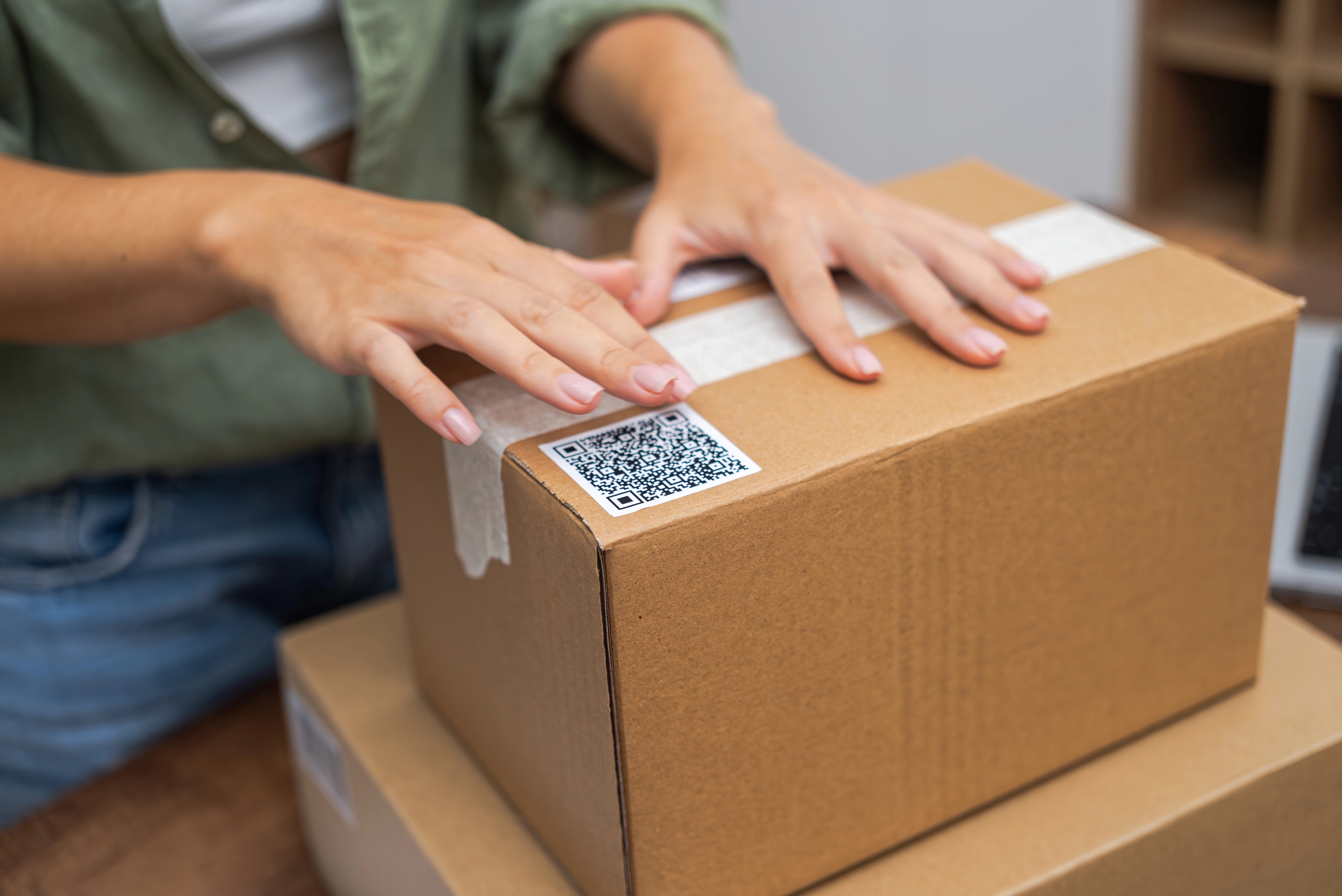
The widespread use of phones while shopping creates an opportunity to also use them for scanning QR codes from product packaging, providing consumers with access to a wider range of information. Using these codes is extremely simple – all that is needed is a smartphone with a built-in camera and internet access, which makes this technology accessible to a wide range of customers, regardless of age or level of technological proficiency. As a result, QR codes placed on packaging by manufacturers have the chance to become an inseparable element of everyday shopping, facilitating informed and thoughtful decision-making.
Positive attitude towards QR codes
Already 64% of those surveyed have encountered QR codes on packaging and know what they are for. More than 1/3 of respondents declare that they have scanned a QR code before purchasing a product, and 1/5 declared scanning purchased products at home.
Quick access to information (55%), gathering data in one place (49%), and detailed product information (47%) are the main factors that, according to consumers, can motivate them to scan QR codes. At the same time, 43% point to the lack of need to interact with a store employee as a significant advantage of QR codes.
– The dynamic development of mobile technologies and the growing information needs of consumers clearly indicate that 2D codes – including QR codes – are the future of retail. It is a tool that simply provides consumers with comprehensive data about products, making it easier for them to make informed purchasing decisions. Thanks to the global implementation of 2D codes from GS1, which we are striving for as the GS1 organization supported by the Consumer Goods Forum, retail will become even more transparent and adapted to the expectations of modern customers – said Dr. Eng. Elżbieta Hałas, President of the Management Board of GS1 Poland.
What do consumers want to know?
Respondents would most willingly scan QR codes to learn about product ingredients (77%), find out about current promotions (76%), or check information about harmful substances (74%). Also high on the list of desired information are: instructions on how to use a given product (69%), information about the manufacturer (68%), country of origin (66%), return/complaint conditions (64%), and reviews and opinions of other users (61%). Those surveyed would most willingly scan QR codes from: food and beverage items (62%), cosmetics and care products (58%), pharmacy products (53%), as well as household chemicals (49%), home appliances/electronics (45%), and electronics (45%).
The future of QR codes
GS1 QR codes are revolutionizing product identification and supporting the development of interactive communication between manufacturers and consumers. As technology continues to evolve, their importance will grow, transforming the way we shop. The potential of GS1 QR codes as a new shopping standard is confirmed by research – 59% of respondents see their advantages, 56% declare a willingness to scan to get more information about a product, and 55% predict a further increase in their popularity.
The transition from traditional barcodes (EAN) to GS1 QR codes has been supported in a joint statement by 26 leaders of global companies, such as Lidl, Carrefour, Alibaba, Barilla, Mondelēz, or Nestlé. Implementations of this technology cover the entire world and diverse sectors, including the food, automotive, industrial, dairy, clothing and footwear, agriculture, beauty, DIY, and electronics industries. The retail industry is already successfully implementing this new technology. QR codes from GS1 are being tested in 48 countries and implemented by the world’s largest companies, such as L’Oreal, PepsiCo, and Procter & Gamble. In Poland, there is also growing interest from companies in implementing two-dimensional codes on consumer packaging. Among the organizations that have signed letters of intent, declaring a willingness to switch to 2D codes from GS1, are, among others: Żabka, Biedronka, DOZ, and Auchan.
To facilitate adaptation to the new standards, during the transition period, both traditional barcodes and 2D codes from GS1 can be used on packaging simultaneously.
[1] Data from a study conducted by Kantar on behalf of GS1 in November 2024. The study covered 1,000 Poles aged 18-70.
Source: GS1 Poland