











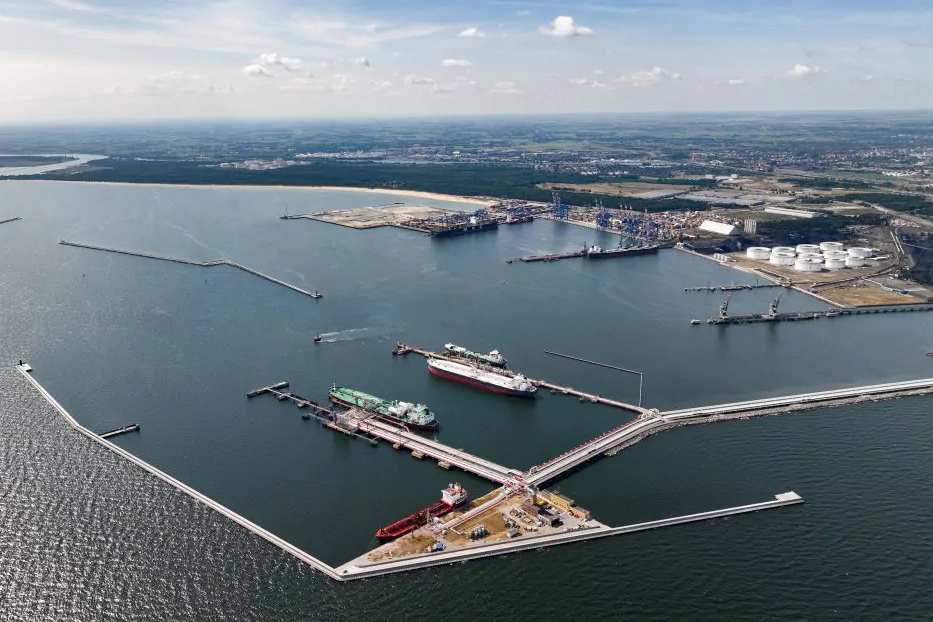
In the first half of 2024, the Port of Gdansk handled 38.1 million tons of cargo. The bulk of this consists of liquid fuels, which account for almost 53 percent of total cargo handling. General cargo, mainly containerized, came in second. However, there is less and less coal on the port’s quays.
– Nearly 40 million tons of cargo is a good result, considering that due to the geopolitical situation over the last two years, I mean 2022 and 2023, we experienced an abnormal increase in the handling of energy raw materials, including coal. This year, however, we have 7 percent less total cargo handling than in the same period last year, mainly due to declining coal imports in connection with the restriction on bringing it into the country – explains Dorota Pyć, President of the Board of the Port of Gdansk Authority.
Pluses
During the first 6 months of this year, liquid fuel handling at the Port of Gdansk amounted to 20.1 million tons – nearly 10 percent more than in the same period last year. Naftoport is responsible for such a good result. The terminal handled 253 tankers and transshipped 19.8 million tons of crude oil and petroleum products. General cargo handling amounted to approx. 11.6 million tons (up by 4.5 percent compared to last year), of which 10.2 million tons were containers (an increase of nearly 3 percent). As you can see, Baltic Hub, the largest container terminal on the Baltic Sea, is constantly improving its performance – it handled over 1 million 20-foot equivalent units (TEU). And it did so despite advanced investments, such as the ongoing construction of the T3 quay.
Grain is also on the plus side. During the first half of the year, the terminals handled 10 percent more grain than in the same period last year. In total, it was over 1.5 million tons – mainly in export relations. More cars and other ro-ro cargo were also handled (over 63,000 units).
Minuses
Coal terminals – both those located in the outer and inner port – had significantly less work than last year. In total, they handled approx. 3.3 million tons of coal (of which over 2.9 million tons were in import relations). This is 62 percent less than in the same period last year.
Where does such a decline come from? In April this year, the Ministry of Industry blocked coal imports from abroad. This does not mean that the raw material is not being imported into Poland. Commercial contracts concluded by previous boards of companies importing coal to Poland, including the board of PGE Paliwa, are still in force.
Declines were also recorded in the other bulk cargo category (handling reached 1.5 million tons), ore (52,000 tons), and wood (39,000 tons).
Source: Port of Gdansk Authority S.A.