








Investment rebound in the TSL industry. According to the latest EFL Barometer data, 26 percent of transport, forwarding, and logistics companies are planning to expand further. Allocating funds for the purchase of operating systems, modern technologies, and warehouse space will be crucial for the industry.
Despite the currently difficult situation in the industry, companies in the transport, forwarding, and logistics sector in Poland are planning to increase investments in 2024. According to EFL Barometer data, one in four TSL companies intends to allocate more funds for investments in the coming months. Transaction processing, risk management, including customs risk, monitoring hacker attacks, and customer service are some of the tasks that modern systems, which the TSL industry intends to invest in, will be able to handle. Automation will also be important.
- The latest data show an 8 percentage point increase in planned investments in the industry.
- Warehouse automation will be important, which will increase their efficiency by over 90 percent.
- Increasing investments in the industry will allow for maintaining competitiveness.
– This will certainly help streamline processes, which companies should take advantage of. Innovations are key to achieving a competitive advantage in the industry. By introducing modern technologies and automation, companies become more attractive to customers and improve operational profitability – says Dariusz Brzeziński, Managing Director of the Meritoros SA BPO Center, creator of BPO Champions, which has been successfully cooperating with the OMIDA Group for years. – It is therefore worth focusing on strategic activities and outsourcing the rest of the tasks, such as back-office processes – he adds.
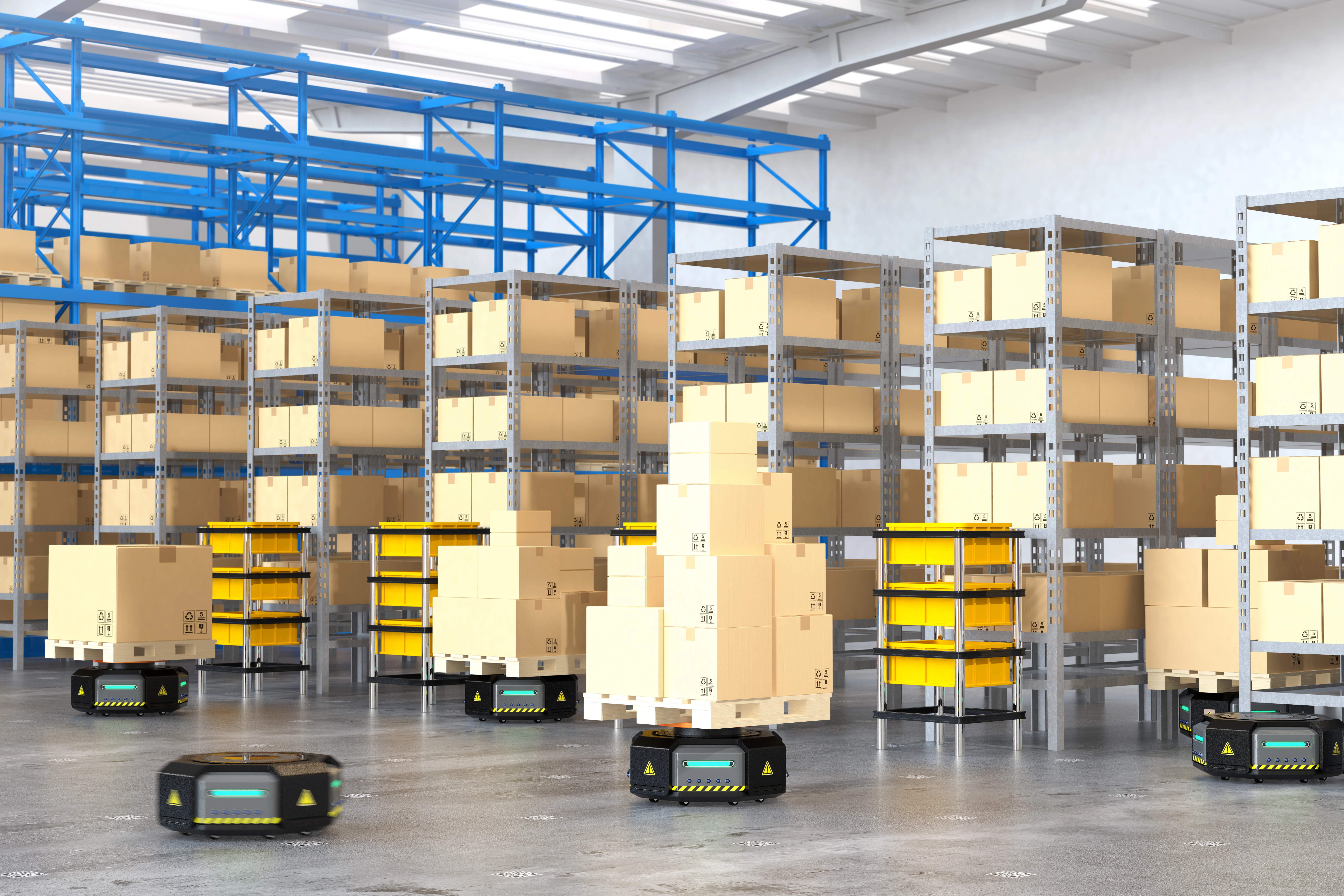
Automation, for instance in warehouses, will allow for more efficient preparation of orders for fulfillment.
What does this look like in Poland currently?
- 11 percent of warehouses are fully automated.
- 90 percent of those serving traditional channels are partially automated.
- 70 percent of warehouses serving e-commerce are also partially automated.
There is growing interest in development in this area within the industry, but not only there. It must be remembered that the entire sector is constantly under strong pressure. Modern systems will facilitate processes from the moment a customer is acquired until their order is packed.
– Investing in new technologies will allow for better management of warehouse operations. The challenge, however, will be to integrate these new systems with the multitude of customs ICT systems – emphasizes Joanna Porath, owner of the AC Porath customs agency. Companies in this sector, which is crucial for the national economy, are planning their development, also placing emphasis on digitalization or investing in artificial intelligence. Investments in new technologies are particularly important for e-commerce services.
The upcoming new reform of the Union Customs Code is expected to introduce, among other things, the responsibility of online platforms for the compliance of shipments and their contents with EU law, including financial and non-financial repercussions. This means that e-commerce must invest today in efficient ICT systems compatible with the upcoming EU Customs Data Hub, which is to be introduced for e-commerce in 2028.
– The introduction of an AI-based EU Data Hub is expected to significantly streamline and accelerate customs processes and bring measurable benefits in terms of customs and tax duties. – adds Joanna Porath, owner of the AC Porath customs agency. In 2032, this database is expected to be ready for use by all entrepreneurs, while it will only be mandatory for everyone from 2038. The implementation of new technologies, especially AI, can give TSL industry companies a significant advantage. However, investing in such large-scale digital development will generate expenses. Large TSL companies are already making such moves or planning them for the future, which may be a significant threat to smaller companies. – Smaller companies invested earlier in rolling stock, which is being used less due to the economic downturn – notes Dariusz Brzeziński, Managing Director of the Meritoros SA BPO Center. TSL industry companies should take advantage of the opportunity to invest funds to maintain competitiveness.
Source: Top Story