











In today’s digital world, e-commerce is becoming an increasingly important part of the global retail market. Success in this dynamically developing field largely depends on effective logistics management, a key element that determines the fluidity and efficiency of the entire supply chain. With the constant growth of online trade, e-commerce logistics is facing new challenges, such as fast order fulfillment, managing increasing shipment volumes, and ensuring high-quality customer experiences.
Logistics management in the context of e-commerce requires an understanding of the unique requirements and expectations of modern consumers. Today’s customers expect not only competitive prices but also fast and reliable deliveries, transparency in the purchasing process, and flexibility in delivery options. These expectations pose a significant challenge for e-commerce companies, which must integrate advanced logistics solutions to meet these demands and remain competitive.
In this article, we will look at the key aspects of e-commerce logistics, exploring how companies can improve their logistics processes to enhance efficiency, increase customer satisfaction, and consequently support sales growth.
Inventory Management and Warehousing
Efficient inventory management and warehousing are crucial for the efficiency of any e-commerce store. These two aspects of logistics play a critical role in ensuring that products are available at the right time and place, which has a direct impact on a company’s ability to fulfill orders quickly and increase customer satisfaction.
Strategic inventory management
Effective inventory management involves maintaining optimal stock levels to respond quickly to changing demand while minimizing costs associated with storing excess inventory. Using analytical tools and demand forecasting allows for better purchasing and production planning, which translates into a lower risk of stockouts or overstocking.
Automation and warehouse technologies
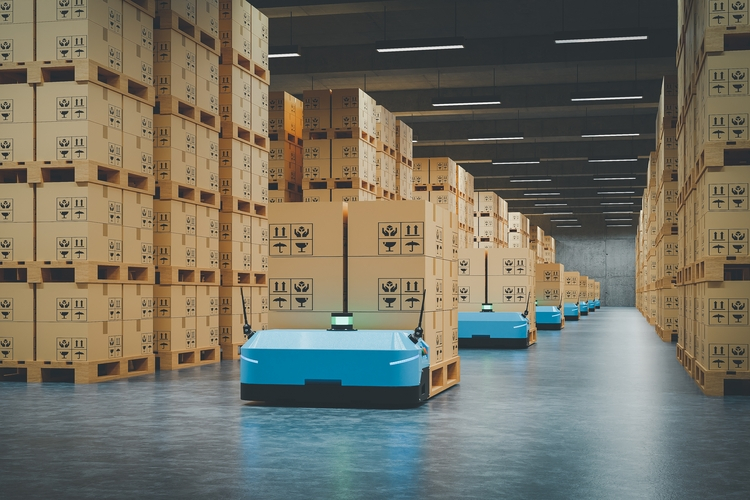
Implementing modern solutions such as warehouse management systems (WMS) enables the automation of many warehouse processes, from goods receipt and order picking to shipping. This makes it possible to increase the efficiency and accuracy of warehouse operations. Technologies such as barcode scanning, RFID systems, and warehouse robotics can significantly streamline picking and shipping processes, reducing order fulfillment time.
Fulfillment and last-mile delivery
The fulfillment process and last-mile delivery management are key elements of e-commerce logistics, directly affecting customer experience and the efficiency of the entire supply chain.
The importance of effective fulfillment
The fulfillment process, from the moment an online order is received to the physical shipment of the product, is a critical point for online stores. Optimizing this process, including fast and accurate packing and shipping management, has a direct impact on customer satisfaction.
Automating fulfillment processes, including the use of advanced order management software, can significantly speed up efficient order fulfillment.
Cost optimization and focusing on customer experience
Optimizing delivery costs while ensuring high service quality is crucial for e-commerce profitability. Strategies include negotiating better rates with carriers, optimizing delivery routes, and using various delivery options depending on customer needs.
The quality of the customer experience in the delivery process, including communication transparency, flexibility in choosing delivery dates, and ease of the returns process, are equally important in building loyalty and increasing satisfaction.
Effective management of the fulfillment process and last-mile delivery in e-commerce is essential not only for ensuring customer satisfaction but also for achieving operational efficiency and market competitiveness.
Using modern technologies in logistics
In the dynamically changing world of e-commerce, technological innovations play a key role in shaping effective logistics strategies. New technologies not only streamline existing processes but also open doors to new possibilities in supply chain management.
The role of artificial intelligence and data analysis
Artificial intelligence (AI) and Big Data analysis are becoming indispensable tools in optimizing logistics processes. Thanks to them, it is possible to more accurately forecast demand, personalize customer experiences, and optimize inventory management and delivery routes. Using AI in the automation of warehouse and fulfillment processes allows for increased speed and accuracy of operations, while reducing costs and the risk of errors.
Internet of Things (IoT) in Logistics
Internet of Things (IoT) technologies enable more integrated and transparent supply chain management. IoT devices, such as sensors and trackers, can provide real-time information about inventory levels, product storage conditions, and delivery status. Integrating IoT with logistics systems enables automatic monitoring and response to various conditions, thereby increasing the efficiency and reliability of logistics processes.
Innovations in delivery and fulfillment
The development of technologies such as delivery drones, autonomous vehicles, or order picking robots points to a future where e-commerce logistics will be even more automated and innovative. These new solutions can significantly speed up deliveries, increase flexibility in the fulfillment area, and offer customers even better shopping experiences.
Introducing new technologies and innovations in e-commerce logistics not only contributes to increased operational efficiency but also enables companies to better adapt to rapidly changing market requirements and customer expectations.
Summary
Effective logistics management in e-commerce is crucial for the success of online stores. Key elements, such as advanced inventory management, an efficient fulfillment process, and reliable and fast last-mile delivery, are essential for increasing customer satisfaction and sales growth. The use of modern technologies, including artificial intelligence, data analysis, and the Internet of Things, plays an important role in streamlining these processes, enabling e-commerce companies to better understand and meet customer expectations. In the digital era, innovations in e-commerce logistics are becoming the foundation for building a competitive advantage and ensuring long-term market success.