











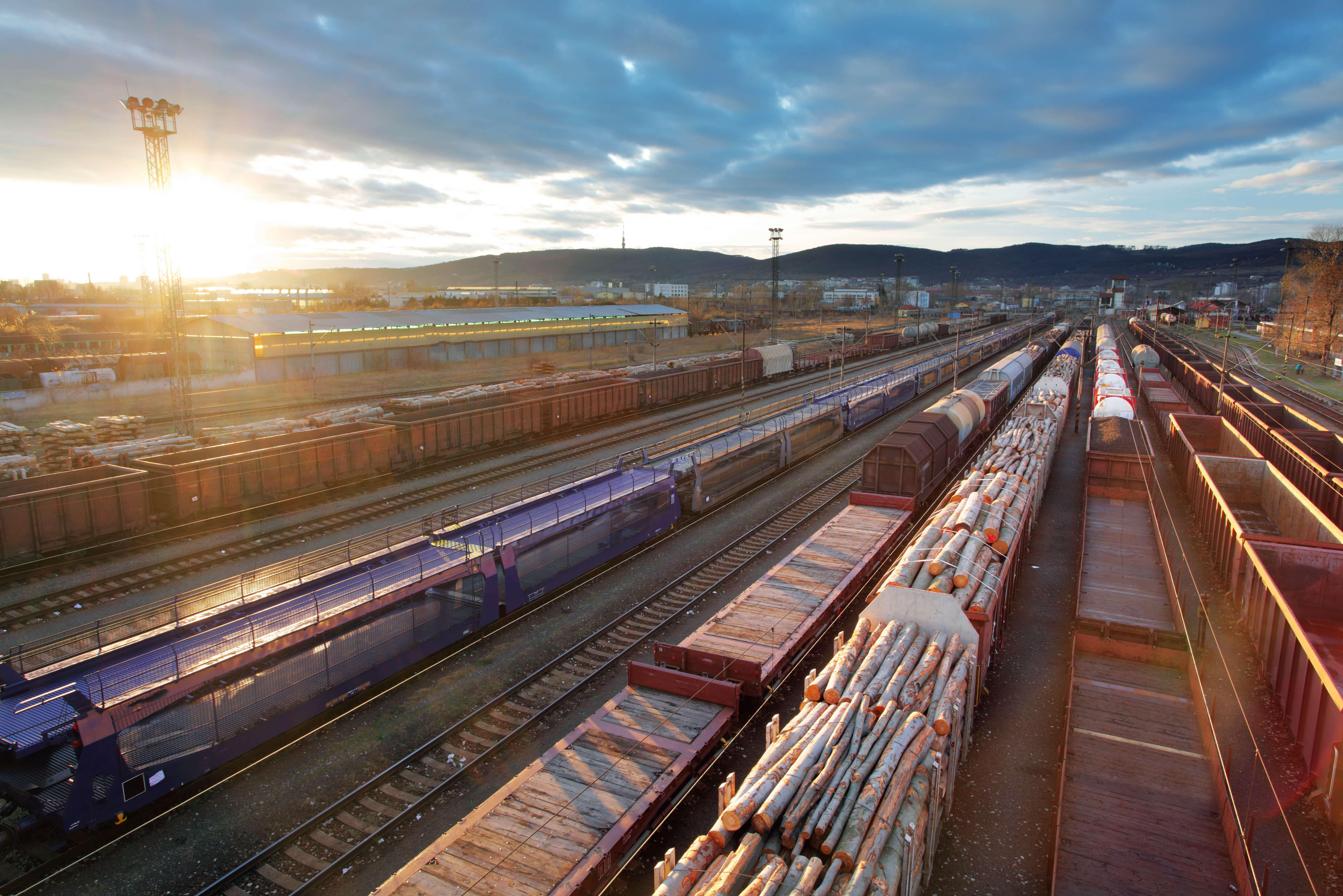
From the beginning of the year to the end of September, a total of 172.9 million tonnes of cargo were transported, and the transport performance reached 46.3 billion tonne-kilometres. The group with the largest share by mass in freight transport was coal, lignite, crude oil, and natural gas. Goods from this group accounted for 30.42% by mass and 21.01% by transport performance. In the period January-September 2023, a total of 57.7 million tonnes of cargo assigned to this group were transported, which means a decrease of 7.1 million tonnes (11%) compared to the same period in 2022. The transport of hard coal saw the largest decline. In Q3 2023, a total of 57.6 million tonnes of cargo were transported, and the transport performance amounted to 15.4 billion tonne-kilometres.
This means an increase compared to Q2 2023 by 2.8 million tonnes and 0.7 billion tonne-kilometres, respectively, while at the same time, compared to Q3 2022, it is a decrease in transported cargo by 4.7 million tonnes (7.5%) and transport performance by 0.6 billion tonne-kilometres (3.5%). In Q2 2023, 54.8 million tonnes of cargo were transported (an increase of 2.8 million tonnes). The mass of goods in the largest group of transported cargo, Coal, lignite, crude oil, and natural gas, in Q3 2023 amounted to 17.5 million tonnes, and the transport performance carried out during their transport was 3.2 billion tonne-kilometres. For comparison, in Q3 2022, 20.1 million tonnes of cargo from this group were transported and transport performance was achieved at the level of 3.9 billion tonne-kilometres. This means a year-on-year decrease of 13.0% by mass and 17.1% by transport performance.
The market share of goods from the Coal, lignite, crude oil, and natural gas group in Q3 2023 was 30.42% by mass and 21.01% by transport performance. The dominant product in this group is hard coal, and it was the decline in the transport of this raw material that primarily influenced the reduction in transport compared to the previous year. The second largest group of goods in terms of transport volume was Metal ores and other mining and quarrying products. In Q3 2023, 16.8 million tonnes of cargo belonging to this group were transported and transport performance was achieved at the level of 4.2 billion tonne-kilometres. In Q3 2022, the mass of transported cargo from the aforementioned group amounted to 17.6 million tonnes, and the transport performance reached 4.4 billion tonne-kilometres. In this case, a decrease of 4.9% in terms of transported mass and 4.1% in terms of transport performance was also recorded. The share of goods from the Metal ores and other mining and quarrying products group in Q3 2023 accounted for 29.14% by mass and 27.39% by transport performance. The third largest group was Coke, briquettes, refined petroleum products, gases produced by industrial methods, with a share of 13.86% by mass and 19.13% by transport performance. The fourth group was Unidentifiable goods with a share of 9.31% by mass and 12.72% by transport performance.
It should be noted that nearly 0.7 million tonnes of goods were transported in the food products, beverages, and tobacco products group, which is one of the highest results in the transport of cargo from this group since 2016. – “The most characteristic feature in the transport results for Q3 2023 is the decline in the transport of hard coal compared to previous years. The lower demand for the transport of this raw material results from the progressive decline in production and from the possession of coal stocks imported to Poland after the outbreak of the war in Ukraine in 2022. It is worth noting, however, that currently, coal transport takes place over longer distances than in previous years. The second thing worth paying attention to is the increase in transport in the group of agriculture, hunting, forestry, and fishing products. For nearly two years, the share of grain in this group has been increasing – in previous years it was about 15-25% of transport within the entire group, and in the years 2022-2023 this share already accounted for about 60%-75%” – notes Dr. Eng. Ignacy Góra, President of the Office of Rail Transport. Data for Q3 2023 and for the first nine months of this year indicate that less cargo is being transported by rail. However, it can be noted that Q3 2023 was better than Q2 2023, because both the mass of transported goods and the transport performance increased,” adds Dr. Eng. Ignacy Góra. Compared to the corresponding Q3 2022, only the groups: food products, beverages, and tobacco products; coke, briquettes, refined petroleum products, gases produced by industrial methods; chemicals, chemical products, synthetic fibers, rubber and plastic products, nuclear fuel; products from other non-metallic raw materials; recorded an increase in transported mass and an increase in transport performance.
Detailed results regarding the transport of cargo groups can be found on the statistical portal of the Office of Rail Transport. In the Cargo groups section, detailed data are presented along with data files for previous years.
Source: UTK