








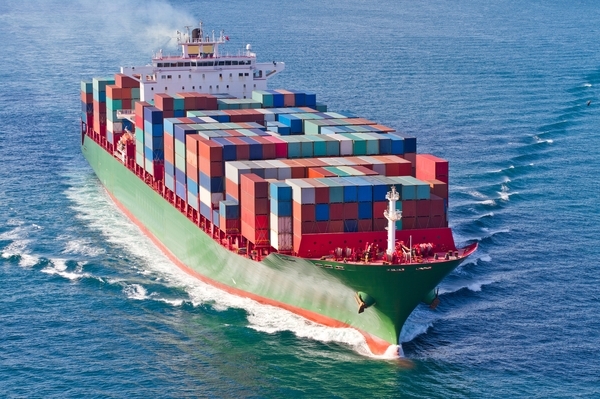
The processes of creating and developing global supply chains, especially over the last two decades, have been determined by many factors of a complex nature. Among the fundamental ones, we can distinguish: the dynamic development of both production and trade on a global scale; the increase in both cost and quality competition, resulting from progressive deregulation and trade liberalization; the growing importance of logistics; the increase in resource productivity and cost management efficiency; the progressive global standardization and normalization of technical and technological processes and products, certification, and the unification of various types of trade and transport procedures; and the phenomenon of shortening product life cycles.
The development of global supply chains is reflected in statistical data showing the increase in the volume of sea transport, container handling, international trade turnover, and the number of registered merchant ships. For comparison, the volume of sea transport in 2014 increased by 2000 million tons compared to 2009, which represents an increase of approximately 25%. Merchant ships carrying goods of enormous value on a global scale often approach peripheral regions on sea routes from both a civilizational and socio-economic point of view. Between 2006 and 2010, approximately 1600 acts of piracy were reported, resulting in the deaths of over 54 crew members. The number of pirates killed is unknown, but it can be assumed to be many times higher.
The purpose of this article is to identify and analyze the cost elements that make up the total costs of protecting sea-land supply chains and to indicate development trends and existing interdependencies for individual cost categories. Empirical research has been limited to the analysis of risks associated with threats such as piracy or maritime terrorism in relation to expenditures associated with ensuring an acceptable level of security for sea-land supply chains.
The article contains 46,400 characters (in two parts)
Source: Logistyka Magazine
Economic aspects of protecting sea-land supply chains (part 1)
Economic aspects of protecting sea-land supply chains (part 2)