In the 21st century, Africa has recorded the highest GDP growth of all continents. Since 2001, it has grown by over 350 percent, currently reaching a level of nearly 3 trillion dollars. More than 50 percent of GDP growth is linked to consumer spending.
The middle class in Africa, which is expected to exceed one billion people by 2050 and account for nearly half of the local society, is increasingly using Western goods. Local consumers do not differ significantly from European or American ones – they want access to the widest possible range of products of good quality and price, as well as convenient home delivery. They are most interested in: fashion, beauty products, and food products. They often look for products unavailable in their area, which is why they are increasingly turning to foreign purchases.
– In a market as specific as the African one, it is very important to understand the characteristics of customers in specific countries. For example, most online shoppers from Nigeria live in the country’s former capital – Lagos, and their consumer needs do not differ much from European ones. In turn, in Ivory Coast, they are scattered across smaller towns and villages, looking mainly for products unavailable in local stores – says Edwin Osiecki, Director of Marketing and Sales at DHL Express Poland.
According to Chris Folayan – CEO of MallforAfrica, the largest e-commerce platform in Africa, only 10 percent of retailers from the most significant global markets decide to sell their products in Africa.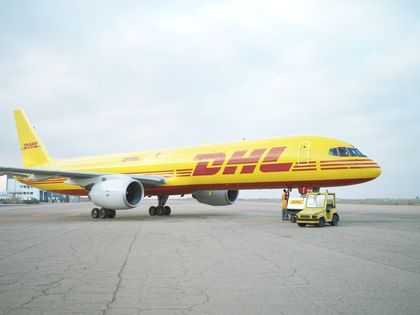 Considering the growth of the local e-commerce market, as well as progressing urbanization, this may turn out to be a great opportunity for Polish e-entrepreneurs wanting to sell outside of Poland. In a few years, the size of both markets will approach a similar level, but the low penetration of the African market makes it much more attractive. An example showing how much importance online trade is gaining in Africa is the Nigerian e-commerce company Jumia – the first African enterprise whose value exceeded one billion dollars.
How to overcome obstacles?
Entrepreneurs are deterred from opening up to the African market by fear of infrastructure problems in Africa, as well as cultural barriers. There is a lack of universal payment systems, only 1/4 of roads are paved, and very often, even in capitals, there is no address system. These are obstacles that may seem insurmountable for SMEs and practically close the door to the local e-commerce market.
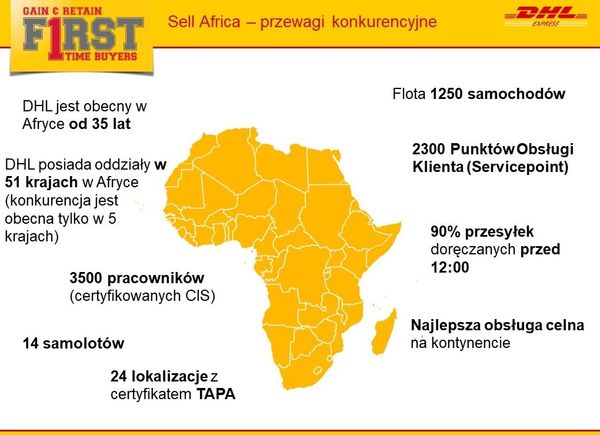
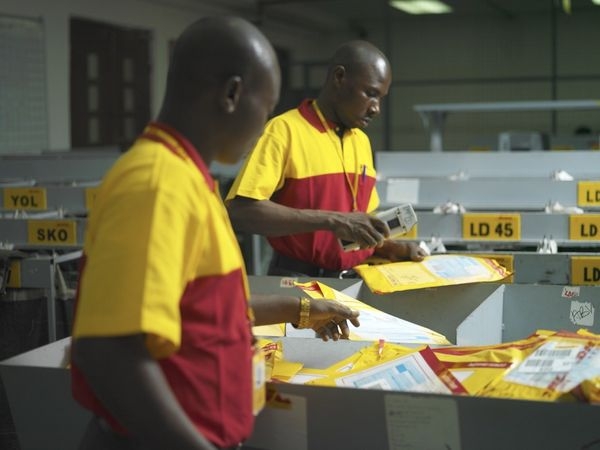
For each of these barriers, logistics operators offer solutions, having their own extensive infrastructure allowing for both road and air communication, which allows for delivering shipments in the shortest possible time. This is very important, especially in the case of express foreign shipments, which customers usually want to receive the very next day. The frequent lack of addresses is also not a problem. For this purpose, special convenient collection points are set up, such as, for example, DHL Service Point. However, the most significant support from logistics companies may turn out to be the extensive know-how they possess in the field of cross-border e-commerce.
– The role of a logistics partner is not only to take care of the logistics of delivering the shipment itself, but also to share their expert knowledge about global markets with entrepreneurs and properly match them to the seller’s assortment and capabilities. Knowledge in the field of customs clearance is also crucial. At DHL Express, we have our own customs agencies, thanks to which our clients do not have to worry about issues related to customs clearance of goods in individual countries – emphasizes Edwin Osiecki.