












An important issue in the operation of railway traffic control (RTC) systems is management. The operation of an object consists of controlling its functioning in such a way as to maintain its parameters within an acceptable range of variability and to maintain a favorable ratio of obtained effects (benefits) to incurred costs. Management, on the other hand, includes the actions necessary for the effective implementation of the operation process and includes the skills to clearly define the goal of the action, prepare the necessary resources, arrange a work plan, and control the progress of their implementation. The basic functions of management include planning, directing, and controlling. The implementation of each of these functions requires a person to make important decisions.
Skillful management is essential for the rational use of equipment, maintaining and restoring their fitness state (maintenance process), supplying the equipment and the entire operation system with energy, materials, spare parts, information, diagnosing the state of the equipment, and examining the nature of destructive processes, modernization of equipment, replacement, and liquidation. Fig. 1 shows a set of basic resources present in the RTC equipment operation system.
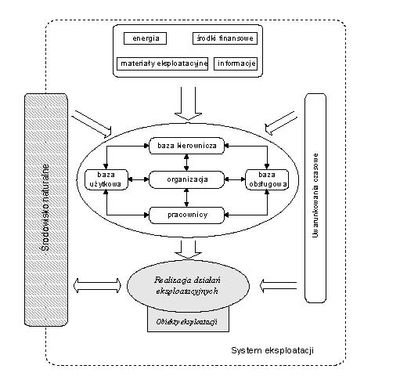 Fig. 1. Resources in the RTC equipment operation system.
Decision-making process
The operation of railway traffic control equipment uses appropriate elements of the decision-making process to carry out tasks. The decision-making process should be continuously implemented using optimization criteria, e.g., minimization of renewal costs, extension of failure-free operation time.
Decisions are often made intuitively, which does not guarantee the choice of the best solution. A rational approach using the principles of logic is definitely better. Both the preparation of so-called variant solutions and the decision to choose one of them requires access to a large amount of information. Therefore, knowledge is important, among other things, about the assumed goals, available resources, their efficiency and costs of use, the progress of the process and individual actions, relations with the environment, existing limitations and disturbances, etc. The wider the manager’s access to relevant information, the greater the probability of making accurate decisions and choosing the most effective variant of action.
The article contains 18,970 characters.
Source: Logistyka Magazine