











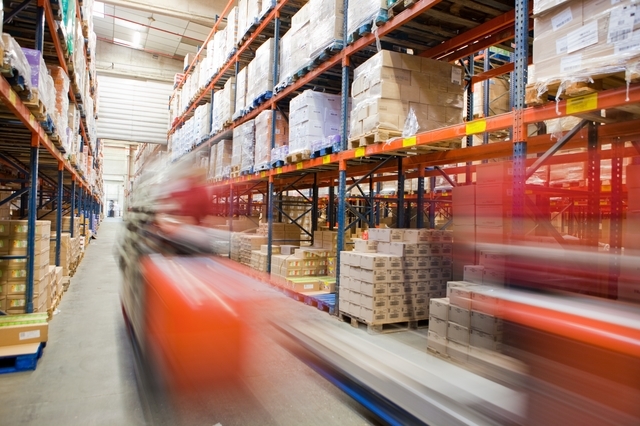
Internal transport is transport that concerns the production process and relates to the handling of warehouses, raw material storage, and the transport of semi-finished products. It is also a comprehensive set of all transport activities in a given company from the moment materials are received until finished products are handed over to the recipient or an internal transport contractor.
Internal transport defines the technology and carries out the movement, transshipment, packaging, and storage of materials, waste, and finished products within the company area. These tasks must be justified from a technical and economic perspective. A significant improvement to these processes is provided by IT solutions, which offer the opportunity to dynamize all activities related to this transport.
Specifics of internal transport
The internal transport system is a set of technical means and organizational-legal solutions that serve to achieve efficient cargo flow within a manufacturing, mining, or service facility. This includes, among others:
1. specialized equipment used for transporting various types of cargo;
2. handling and transport means;
3. specialized transshipment machines and devices;
4. cargo storage devices;
5. specialized permanent facilities: production buildings, warehouses, loading ramps;
6. data processing means (devices, computer programs).
The characteristic features of this system are related to:
1. adaptation to the type of cargo transported;
2. appropriate cargo storage technology;
3. technology for using technical means;
4. adaptation of the form of organization, management, and control of internal transport to the specific type of facility;
5. data processing technology.
Division of internal transport
Inter-departmental transport concerns the flow of materials in specified areas of the plant (this refers to departments: production, assembly, production preparation, foundry, forge, model shop, etc.). Transport solutions in this matter must be characterized by strict coordination with production and technological processes and the type of transported material (this concerns the shape, size, dimension, mass, intensity of material flow, and the distance of their movement.
Inter-station transport deals with handling the movement of materials – semi-finished products between places such as successive production stations and cells in machining lines, bypassing warehouse operations, from and to handover points that are served by inter-departmental transport. This type of transport usually takes place as side or transshipment transport. During side transport, it is necessary to use additional equipment to bring items to each station. Often, this type of transport is called inter-operational or technological transport. Its organization depends on the type of production and the production structure.
The article contains 24,050 characters.
Source: Logistyka Magazine