











When evaluating modern logistics, emphasis is placed on both the speed and accuracy of order fulfillment. The extent to which these conditions are met determines the competitiveness of the service provided.
The process occurring between individual links is an extensive chain through which products, money, and information flow. The role of logistics is to coordinate activities taking place throughout the entire length of the logistics chain. M. Fertsch states that “logistics is the management of processes for moving goods and/or people, as well as activities supporting these processes in the systems in which they occur” [1]. Activities related to the turnover of goods involve not only management and ongoing control but also significant costs for the enterprise. According to E. Gołembska, “the goal of logistics is to minimize the cost of product flow in the supply chain while increasing profit in every company—a link in the chain—while maintaining the expected level of customer service in the market” [2]. The purpose of this article is to show the role of pallets in the logistics chain of enterprises, as well as to present the basic pallet circulation systems currently used on the market. The information presented is the result of an analysis of literature, related regulations, and the results of previous research on the pallet market in Poland.
Load units in the logistics chain
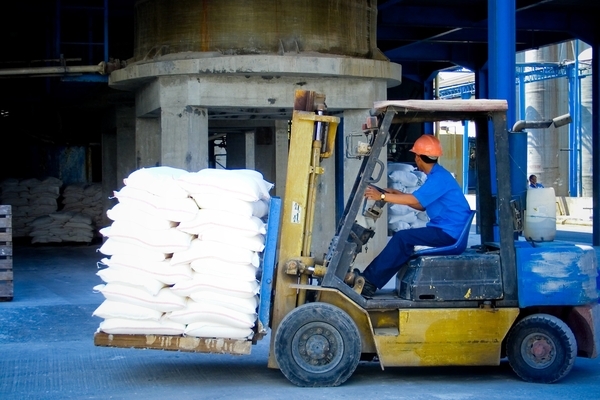
Processes occurring between the supplier and the final recipient should run quickly and flawlessly, which is why they must be properly coordinated with each other. This is possible by constructing a logistics chain, i.e., an instrument that brings together the links of a given flow and the connections between them [3]. Creating such a tight bond is possible, among other things, by formulating load units, which is characterized as “the process of gathering and layering boxes or other containers so that they form a single, larger load unit” [4]. It is therefore very important to construct such a unit that can contribute to improving the movement process throughout the entire logistics chain [5].
The article contains 18,620 characters.
Source: Logistyka Magazine