












The safety of systems, including rescue and decision-making systems, depends on the reliability of these systems during operation and on their resistance to the penetration of factors that have a regressive effect on the logistics system (lack of communication with the crisis management center) and the penetration of factors disrupting rescue processes (weather conditions, failures, and technical difficulties).
Actions taken to maintain safety in rescue operations are consistent with the actions required for the proper execution of a rescue team’s task. Every action depends on the reliability of the system in configurations corresponding to the rescue process and the safety of the rescue system. The effectiveness of the rescue process and the maintenance of the rescue system’s safety is therefore a function of the reliability of the rescue process and the safety of the system. The reliability function results from the reliability structure. It can thus be observed that the rescue system, the logistics systems of rescue operations, the safety system, and the destruction systems interact with the actual operational system through their corresponding reliability structures. The way these systems interact is shown in Figure 1.
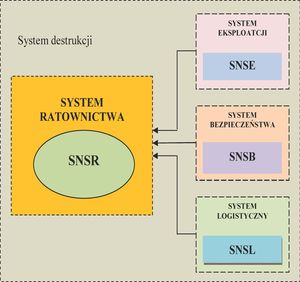
Fig. 1. Reliability structures interacting with the rescue system
SNSR – reliability structure of the rescue system
SNSE – reliability structure of the operational system
SNSB – reliability structure of the safety system
SNSL – reliability structure of the logistics system
It follows that the primary role in the rescue process and in the safety system is occupied by issues concerning the reliability structures of these systems, and subsequently the reliability of the elements of these systems. It is also necessary to mention the enormous possibilities offered by the application of reliability theory to rescue and safety issues in operational systems. Thanks to advanced computer-based reliability methods, it is possible to simulate and optimize rescue and safety structures for the purpose of maximizing their reliability [4,5,6]. The application of computer-based reliability analysis methods in rescue logistics will enable a better assessment of threats and a significantly faster achievement of high rescue effectiveness and greater operational safety.
Reliability structures used to present rescue, logistics, and safety systems
The issue of knowing the reliability structure is very important for several reasons. Rational interaction with the operational system to ensure safety and economic optimization of the system – all this requires knowledge of the reliability structure. The reliability structure of systems is variable during the operation period. Therefore, there is a need for its identification in real-time. This is dynamic identification. Modern systems consist of a very large number of elements, and as a result, there is potentially a huge number of structures in reality. When considering the reliability of systems, it is assumed that they are two-state. This means that the system and its elements are two-state in terms of reliability and can be in one of two states: operational or non-operational. Such an approach means that there exists, and subsequently must be defined, a criterion assigning an element or the entire system to a set of operational or non-operational objects. Of course, the state of the elements affects the state of the system. The mapping of element states to the system state is called the reliability structure of the system.
The article contains 29,070 characters.
Source: Logistyka Magazine