











An essential element of an industrial enterprise’s logistics system is production logistics, which, by integrating activities supporting the production process, acts as a link between supply logistics and distribution logistics.
Every production process must contain information about the product’s bill of materials, the technological process, work centers, object-oriented cells, and production lines where subsequent technological operations are carried out, as well as the location of warehouses or storage areas from which operations are supplied. The production process is carried out based on a technological process. A technological operation is a part of the technological process performed without interruption for other work, at one workstation, by one employee or a team of employees, on one or more simultaneously processed items using the same tooling, resulting in a change in the form, appearance, and properties of the processed items. The task of production logistics is to ensure the optimal flow of materials and information in the production process. Modern enterprises are opting for a flexible production organization, characterized by leanness, the ability to react quickly to changes in demand, and the flexibility of the production system, related to the need to adapt to customer needs. The currently preferred short production runs mean that the transition from mass, large-scale, and standardized production to make-to-order production poses new challenges for companies. The aim of this article is to analyze the production processes of a selected enterprise in the tailoring industry and to indicate methods for improvement in selected areas.
Subject of research against the background of the industry
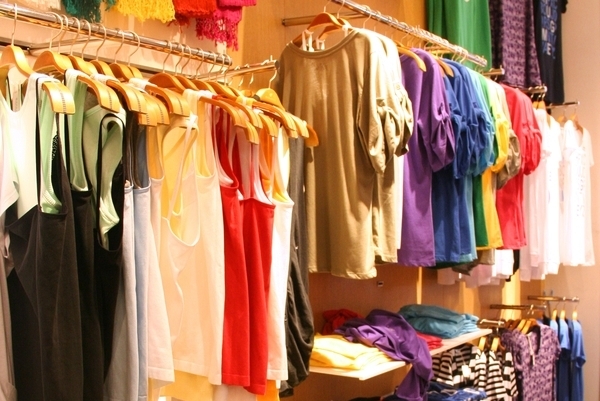
The situation of the Polish clothing market, including tailoring services, is currently difficult and constantly deteriorating due to limited household spending on textile products and reduced demand for textiles from the domestic clothing industry. The industry’s results are also negatively affected by the influx of cheap textiles from Asian countries, which is a result of the lack of protection for the EU market and significantly higher production costs in Poland compared to Asian countries. The decline in the revenues of operating companies is also caused by reduced demand for higher and mid-range clothing (greater demand for cheaper clothing sold in chain stores, outlets, bazaars, and second-hand clothing stores) and a decline in export growth dynamics due to lower demand from EU countries, which are experiencing an economic slowdown.
The article contains 28,490 characters.
Source: Logistyka Magazine
Odlanicka-Poczobutt_Kulinska_Usprawnienia_w_obszarze_logistyki_produkcji.pdf