









The Deutsche Post DHL Group climate protection project in Lesotho is the first initiative to meet the Fairtrade Climate Standard. The Fairtrade Climate Standard was developed in collaboration with the Gold Standard, which provides the basis for climate and development certification. Through this project and support for other climate protection initiatives, the DP DHL Group can offset greenhouse gas emissions associated with logistics services for its customers as part of its climate-neutral services.
The Fairtrade Climate Standard certification covers not only the monitoring of greenhouse gas emission reductions but also the social value of the project, which promotes the development of rural communities in Lesotho through the use of more efficient wood-burning stoves that produce less smoke. The Fairtrade Minimum Price ensures that project operating costs are covered, and an additional Fairtrade Premium is paid directly to rural communities for local climate adaptation initiatives. In addition to Fairtrade certification, the climate protection project in Lesotho also meets the criteria of the UN Clean Development Mechanism and the strict requirements of the Gold Standard.
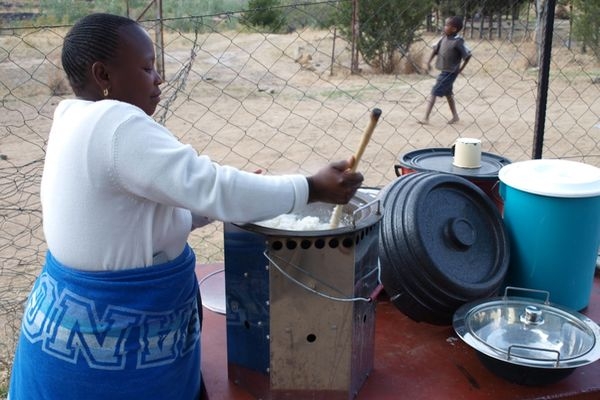
With approximately 2 million inhabitants and a territory of about 30,000 square kilometers, Lesotho is one of the smallest and poorest countries in Africa. Wood burning is a major environmental problem in Lesotho. Because many people in Lesotho still cook over open fires, the country has lost 2/3 of its forest cover over the last 25 years. If the current rate of wood consumption is not reduced, there will be no forests left in the country in 15 years.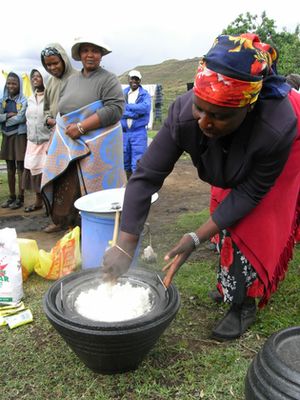 Ecological consequences, such as erosion and poor harvests, are already visible. To reverse this trend, the Group provided financial support for the purchase of 10,000 “Save80” stoves for villages in Lesotho and supported their distribution, use, and maintenance. Each stove saves approximately 2 tons of CO2 per year compared to an open fire; this reduces the amount of firewood needed – and consequently greenhouse gas emissions – by up to 80%. The project is implemented in cooperation with atmosfair, a non-profit organization dedicated to climate protection, and a local partner, Solar Lights.
– Receiving independent certification in accordance with the Fairtrade Climate Standard is extremely important to us – said Katharina Tomoff, Vice President of GoGreen at Deutsche Post DHL Group. – As the world’s leading logistics company, we believe we play a significant role in the field of climate protection. That is why we are implementing effective measures for low-emission operations in our own facilities, and we are also helping our customers reduce emissions generated by their supply chains. The project in Lesotho allows us to offer customers climate-neutral deliveries while simultaneously contributing to the development of local communities.
– The ability of smallholder farmers and rural communities to build a sustainable future and reduce poverty will depend to a large extent on whether climate change continues to occur with undiminished intensity or not. That is why Fairtrade considers climate change such an important issue – says Dieter Overath, CEO of TransFair e.V., representing Fairtrade in Germany. – We encourage companies to increase their commitment to environmental and social responsibility and to use our new Fairtrade Climate Standard to promote climate protection. The Lesotho project is an example where local rural communities and the Deutsche Post DHL Group serve as a model for others.
– We are pleased with the further development of the project – said Dietrich Brockhagen, Managing Director of atmosfair. – Climate change is a global problem that can only be solved through widespread commitment. The Deutsche Post DHL Group initiative simultaneously helps protect the climate and directly impacts the improvement of people’s quality of life in Lesotho.
Eco-friendly logistics services
“GoGreen Services” is the name for Deutsche Post DHL’s environmentally friendly products, covering both standard solutions and individual consulting services. To assess or offset a customer’s greenhouse gas emissions, the Group provides emission reports designed to help customers understand the environmental impact of their transport and logistics activities. Customers can choose climate-neutral products to offset greenhouse gas emissions resulting from transport and logistics activities. In 2015, the Deutsche Post DHL Group transported over two billion climate-neutral shipments, offsetting approximately 253,000 tons of greenhouse gas emissions. “Green Optimization” products include customized logistics solutions designed to help the Group’s customers reduce emissions from their supply chains.