








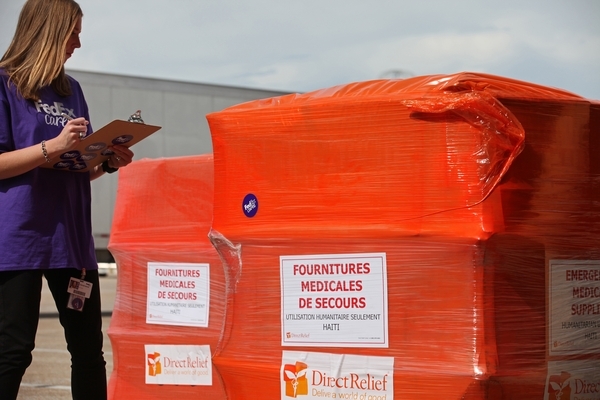
In October, Hurricane Matthew swept through the southwestern part of Haiti, causing massive destruction. Humanitarian organizations from all over the world joined the relief efforts for the residents of this poorest country in the Western Hemisphere. In the same month, over 30 tons of essential supplies were delivered by FedEx Corp., which utilized two aircraft to help individuals and communities affected by the disaster.
FedEx supported disaster relief efforts in collaboration with humanitarian organizations such as Direct Relief, International Medical Corps, and Heart to Heart International. They have the medical personnel and resources necessary to assist victims of the natural disaster in the region.
– People in Haiti rely on humanitarian aid deliveries to meet their most basic needs – says Jenny Robertson, Director of Global Citizenship and Reputation Management at FedEx.
The company has been working with Direct Relief for over ten years, providing medical aid during natural disasters. Goods donated by the organization filled the cargo hold of a plane that departed from the international logistics hub in Memphis and arrived in Port-au-Prince. These included medicines, medical equipment, hygiene kits, and tents that can serve as portable medical care centers.
– Hurricane Matthew was a cruel, double blow to Haiti. It not only caused tragic deaths and immense suffering for many people, but it also destroyed medical facilities and infrastructure essential for providing aid – stated Thomas Tighe, President and CEO of Direct Relief. – That is why a decisive, targeted response is so important, and providing transport was a crucial element of it.
The second aircraft, carrying over 15 tons of emergency supplies donated by the Medical Corps and Heart to Heart International organizations, delivered 11,000 hygiene kits, medicines, and medical supplies.
The relief efforts are part of the FedEx Cares initiative. With the goal of creating opportunities and changing the world for the better, FedEx will invest $200 million in more than 200 global communities by 2020.