








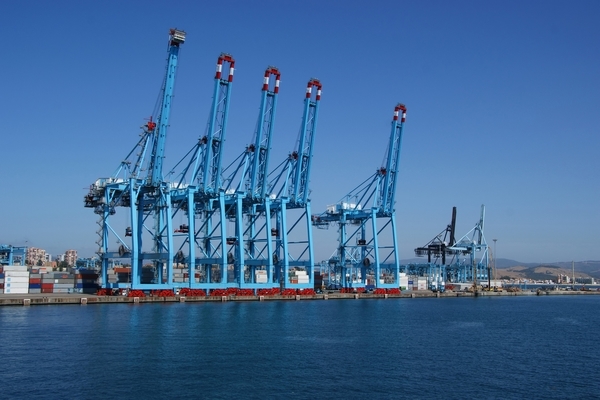
The location of a region by the sea or along the course of a large river has always influenced its development. Cities located by the sea or a river were places for the exchange of goods, contacts between people from different parts of the world or countries, and places where new ideas emerged.
In a word, they significantly determined the development of the country and the prosperity of its inhabitants. Although road and air transport have now taken over many functions of water transport, it still remains an important element of the overall transport system. A properly conducted policy in this area influences the economic development of the country. In the 21st century, the demand for transport services is associated with the movement of goods, warehousing, a set of formal and legal activities, consulting, warehouse logistics, and specialized IT services.
Maritime and inland waterway transport in Germany
The expansion and renovation of many ports in Germany, the use of modern techniques for maritime transport, and the construction of new terminals have significantly improved water transport. Cargo handling has become faster and more efficient. The so-called “roll-on-roll-off” traffic was introduced, which significantly improved both the handling of goods and the entry and exit of vehicles from ferries. Furthermore, halls protecting goods from moisture have been built in modern water ports. There are also facilities available for processing steel products and handling all kinds of chemicals. Modern maritime transport complements, and is even an economic alternative to, rail or road transport, generating demand for transport and logistics operators who operate in the land and sea transport sector, forming an integral part of the goods circulation phase.
The main ports of Germany include the ports in Hamburg and Bremerhaven. They belong to the so-called free ports, which means that the port area is not under the customs jurisdiction of a given country. Goods can be transported, stored, and processed here without customs duties. The excellent connection of railways and motorways with waterways has a major impact on the efficient functioning of the ports in Hamburg or Bremen. In competition with other European ports, German ports rank first, while simultaneously creating a fluid communication network with the land. On the other hand, the largest inland port in the world is the German port located on the Rhine in Duisburg, opened in 1990. Trade and exchange of goods arriving primarily from Africa take place here. Currently, the port is one of the most modern in the world and is a multifunctional trade center. In turn, one of the German areas with highly developed water transport is Brandenburg. The network of waterways extends over the Oder, Spree, Elbe, and Havel rivers. Since ancient times, these rivers have been connected by canals and used for the transport of goods. Excellent transshipment points have been created here. The main goal of Brandenburg’s transport policy is to shift part of the traffic from roads to the most cost-effective, energy-efficient, environmentally friendly, and safe inland water transport.
The article contains 15,725 characters.
Source: Logistyka Magazine