











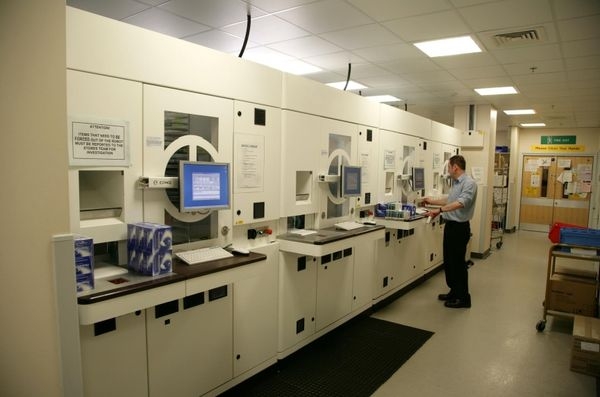
The development of the pharmaceutical industry means that there are more and more drugs, and they are becoming increasingly specialized. It is important that the right drug reaches the right patient, with a potency and dosage dependent on individual needs. Research shows that the majority of errors in drug dispensing are caused by the use of traditional paper prescriptions – thanks to the automation of the drug dispensing process, this can change.
39 percent of errors related to providing a patient with the wrong medication occur at the prescription preparation stage. Another 12 percent occur during its prescribing and further circulation in the hospital. Often, dispensing the wrong drug or dosage can have fatal consequences. These errors are often caused by the human factor – an incorrectly filled-out form or a misread prescription. Similar incidents occur in hospitals, where each patient receives different types and doses of medication. Modern devices that significantly automate the drug administration process come to the aid of large medical facilities. Modern medical robots are able to significantly reduce the number of accidents related to incorrect drug administration to patients, as well as streamline the work of the hospital ward and reduce expenses related to additional treatment or wasted medication.
Hospitals around the world are beginning to introduce electronic prescription systems, which significantly improve the circulation of drugs in hospitals. Each patient is assigned a unique barcode – after scanning it, the doctor or nurse receives full information regarding the types and doses of drugs they are taking. All information appears immediately in the hospital system. The electronic system immediately warns about the patient’s allergies to specific drugs, determines the dosage, and informs about potential side effects. Paper documentation is reduced to the necessary minimum, which saves staff time.
The electronic prescription system works with automatic warehouses and drug repacking devices. In the central warehouse of the hospital pharmacy, the necessary drugs are precisely and quickly dispensed by a robot. The device checks expiration dates, first serving medications with the shortest shelf life. The drugs reach ward medical stations, such as Pyxis by Glintt, equipped with code scanners, to which specific patients are assigned. The device will only dispense medications to authorized hospital staff who will be responsible for delivering them to individual patients. The time staff spend preparing drug doses is significantly reduced. The risk of errors and mistakes is also reduced.
The introduction of automation in the process of dispensing drugs to patients in hospital wards does not mean that robots will completely take over the circulation of medications – devices such as Pyxis by Glintt are merely a useful tool that speeds up and facilitates the work of medical personnel.