








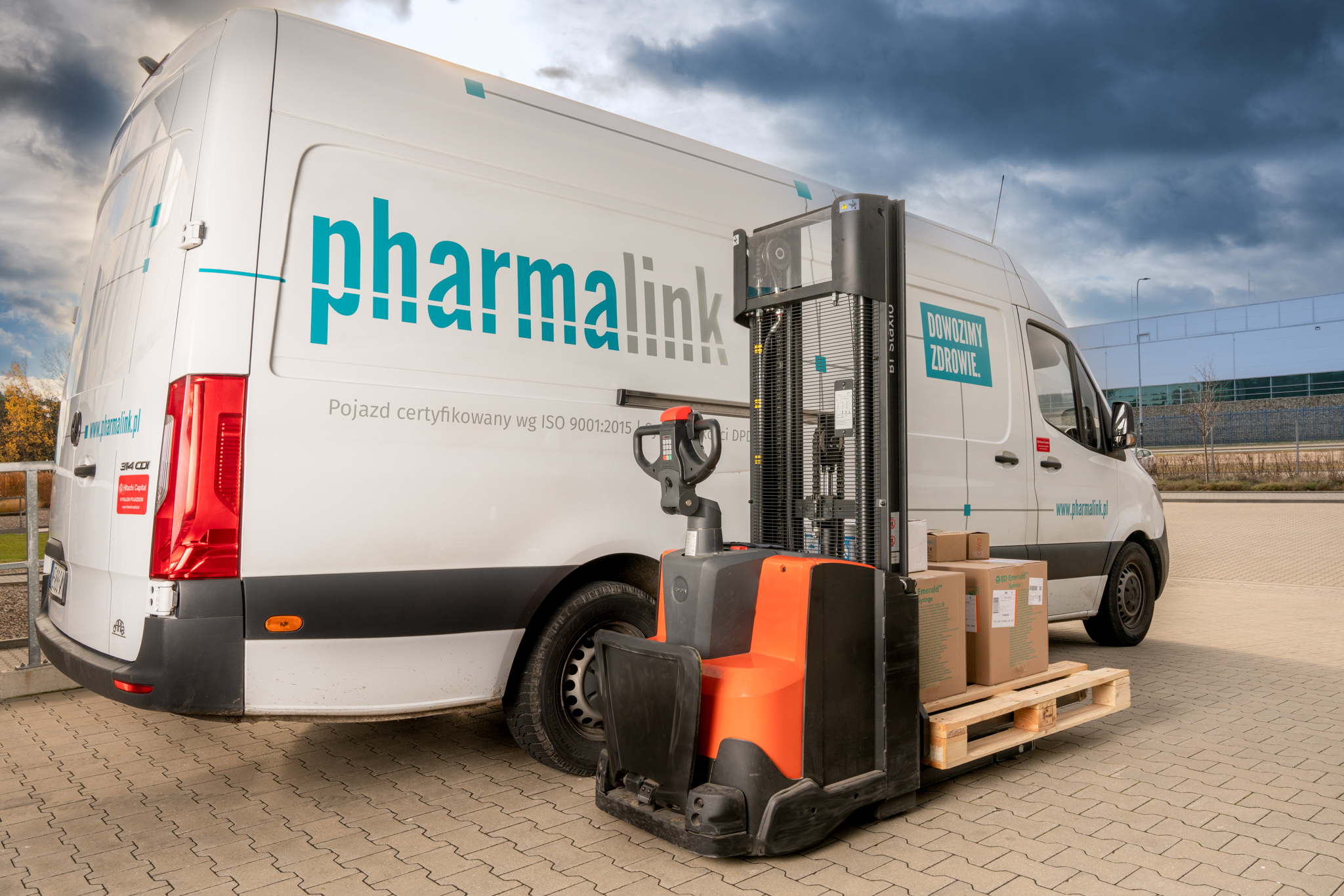
Delivering medicines in pristine condition and on time is the foundation of patient health. Pharmaceutical logistics is one of the most demanding sectors, where precision, safety, and quality must be maintained at every stage of delivery. In response to these challenges, innovative monitoring and tracking technologies are becoming an important element, enabling effective supply chain management and ensuring the highest quality standards for medicinal products.
Modern solutions that allow for tracking and monitoring products from the moment of their manufacture until they are delivered to pharmacies and hospitals are of key importance. In the pharmaceutical industry, various solutions are used to ensure the highest quality standards are maintained. Here are four of the most important technologies that can facilitate the delivery of pharmaceuticals.
Barcodes and QR codes
These are the simplest and most common methods for identifying medicinal products. These codes contain information about the name, manufacturer, batch number, expiration date, and other product parameters. Thanks to them, suppliers can quickly verify the authenticity and quality of the medicine, as well as efficiently manage inventory and collect data.
RFID: advanced monitoring and automation
A more advanced technology is Radio Frequency Identification (RFID). This method uses radio waves for communication between RFID tags and readers, enabling the identification, location, and monitoring of products in real time.
– Data can be read from them from a greater distance. They enable not only identification but also the location and monitoring of medicinal products in real time, as well as the automation of certain logistics processes, such as inventory, control of receipts and shipments, and even the planning of unloading and loading – says Wojciech Fuks, IT Systems Support and Development Team Manager at Pharmalink.
GPS: transport tracking
A widely known satellite navigation system enables precise tracking of medicines and monitoring of transport vehicles carrying medications, as well as planning and optimizing routes, time, and delivery costs. In the pharma-logistics industry, GPS is often equipped with temperature recorders inside the vehicle, which allows for monitoring the conditions and location of cars, ensuring the continuity of the cold chain and enabling a quick response to unexpected situations, such as delays, breakdowns, or thefts.
IoT: precise monitoring of medicine condition
A network of devices and sensors that are connected to each other and to the internet can collect, transmit, and analyze data. The Internet of Things (IoT) is used to track and monitor the condition of medicinal products, such as temperature, humidity, pressure, shocks, battery level, or package opening. IoT enables remote control and management of devices as well as the generation of alerts and reports, which ensures the quality and safety of medicines, as well as the optimization of logistics processes and the reduction of losses.
Personnel is key in delivery
Tracking and monitoring technologies require appropriate qualifications and competencies from the employees who implement and use them. Personnel must possess knowledge and skills in the areas of technology, systems, processes, products, regulations, and standards that apply to pharmaceutical logistics. They should also be capable of operating, configuring, managing, monitoring, analyzing, troubleshooting, as well as training and collaborating with other entities. Therefore, tracking and monitoring technologies require continuous development and improvement of personnel qualifications, e.g., through training, courses, certificates, consultations, exchange of experience, or access to sources of information.
– The introduction of innovative tracking and monitoring technologies allows for full visibility and control over the delivery of medicinal products, which is crucial for ensuring their quality and safety. Thanks to these technologies, pharmaceutical logistics becomes more efficient and compliant with regulations, which brings benefits to both manufacturers and patients – adds Wojciech Fuks, IT Systems Support and Development Team Manager at Pharmalink.
Every element of pharmaceutical logistics is crucial – from precise monitoring of the condition of medicines, through transport tracking, to advanced identification technologies. The introduction of such solutions allows for full control over the flow of medicinal products, which is necessary to maintain the therapeutic properties of the medications. Integrated systems enable full control and adherence to strict guidelines as well as compliance with regulations. Highly qualified personnel, supported by modern technologies, can meet the growing market demands and ensure that medicines always reach recipients in pristine condition. Thanks to this, pharmaceutical logistics becomes more effective, safe, and reliable.
Source: Pharmalink