








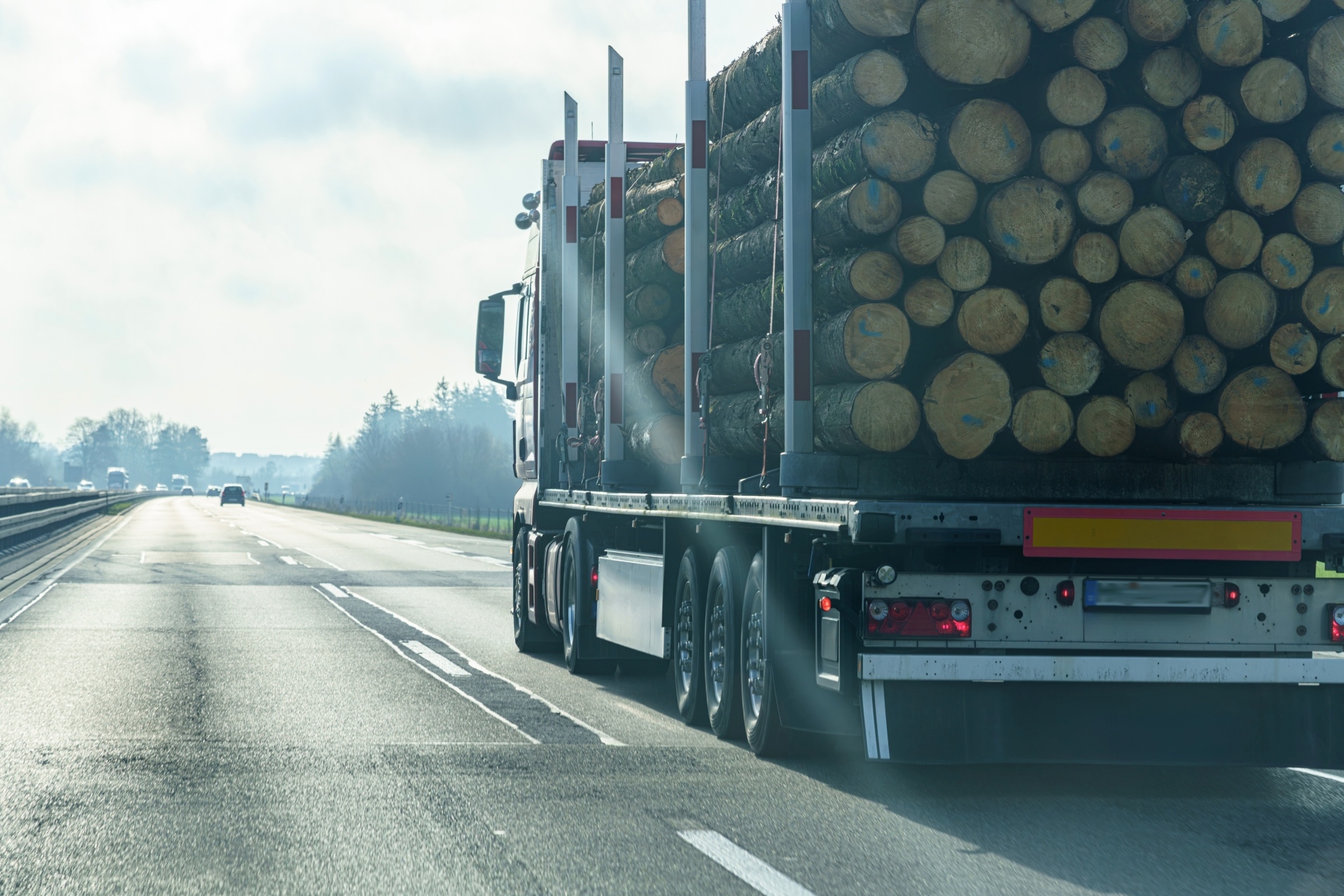
The import of timber from third countries, including Norway, into the customs territory of the European Union is subject to detailed control procedures and documentation requirements. – The complexity of the procedures means that importers must be aware of the need to meet simultaneous phytosanitary and customs requirements, as well as registration in the required systems – explains Joanna Porath, owner of the AC Porath customs agency.
– EU phytosanitary regulations require the inspection of plant material from outside the EU, which means that timber from Norway must undergo the same procedure as timber from any country outside the EU – explains Joanna Porath.
Each shipment must be accompanied by an original phytosanitary certificate issued by the national phytosanitary authorities of the exporting country. The certificate confirms that the timber is free from quarantine organisms and, if applicable, has undergone the required treatments before export.
Step-by-step procedure
Upon the arrival of the transport at the European Union border, the shipment must be declared for border phytosanitary control. In Poland, the inspection is carried out by inspectors of the Provincial Inspectorate of Plant Health and Seed Inspection (WIORiN). The declaration is made electronically via the TRACES system before crossing the border.
The EU is subject to the Regulation of the European Parliament and of the Council (EU), known as the EU Timber Regulation (EUTR), which prohibits the placing of illegally harvested timber on the EU market. Every company placing timber on the Union market for the first time must apply a due diligence system.
The due diligence system consists of three steps: gathering information about the timber, assessing the risk of illegal origin, and mitigating that risk. Only when the risk has been reduced to a negligible level can the timber be legally placed on the EU market.
– emphasizes Joanna Porath, President of AC Porath.
Customs procedures and tariff preferences
According to the latest data, the largest amounts of raw timber currently reach Poland from the Czech Republic, Lithuania, and Germany, followed by Scandinavian countries and Slovakia. Importers must remember specific customs procedures, including: whether the goods can be covered by tariff preferences, whether they possess documents confirming preferential origin (e.g., EUR.1, REX), and whether the goods will be released for free circulation in Poland or only transit to other EU countries.
Release for free circulation in Poland also requires the importer to register on the PUESC platform and pay the VAT due on the import. Registration in PUESC is not required for transit through the territory of Poland alone.
Poland imports timber, but it is also among the top 10 largest exporters of this commodity in the world. The vast majority of unprocessed timber from Poland goes to EU markets, as well as to China.
Source: AC Porath