









Evacuation is a process aimed at protecting human life and health in emergency situations. Knowing its various types and their specifics is essential to properly prepare for and respond to potential dangers. In this article, we present the three main levels and types, characterizing each of them.
Levels of evacuation
In the crisis management system, there are three levels of evacuation, each aimed at ensuring the safety of the population. Each corresponds to a different level of risk and requires specific preparatory actions. It is good to know and understand them so that in case of problems, a safe evacuation can proceed without issues.
- First-degree evacuation is carried out when there is a threat to human life and health, and the danger could not have been foreseen earlier. This applies to situations such as fires or explosions. It takes place quickly and on an ad-hoc basis, sometimes requiring the involvement of large external resources. Procedures are established and known to those responsible for carrying it out, and the victims are directed to safe places nearby.
- Second-degree evacuation is the organized relocation of people, animals, and property from areas located near potentially dangerous sites, such as industrial plants or hydrotechnical facilities. The entire process is planned in advance because there is a risk that these facilities could be damaged or fail, which could threaten the safety of residents and their property. It is therefore a preventive measure aimed at minimizing risk in situations where signs of potential danger appear.
- Third-degree evacuation is also the organized relocation of people, animals, and property, but it occurs in situations where the country is in a state of heightened defense readiness or during a threat of war. It is carried out when there is a direct danger to the state. The decision to initiate it is made by local civil defense or military authorities, especially in areas where war is taking place or there is a direct possibility of conflict. It is part of a broad national defense plan, in accordance with legal regulations regarding martial law.
Ad-hoc and planned evacuation
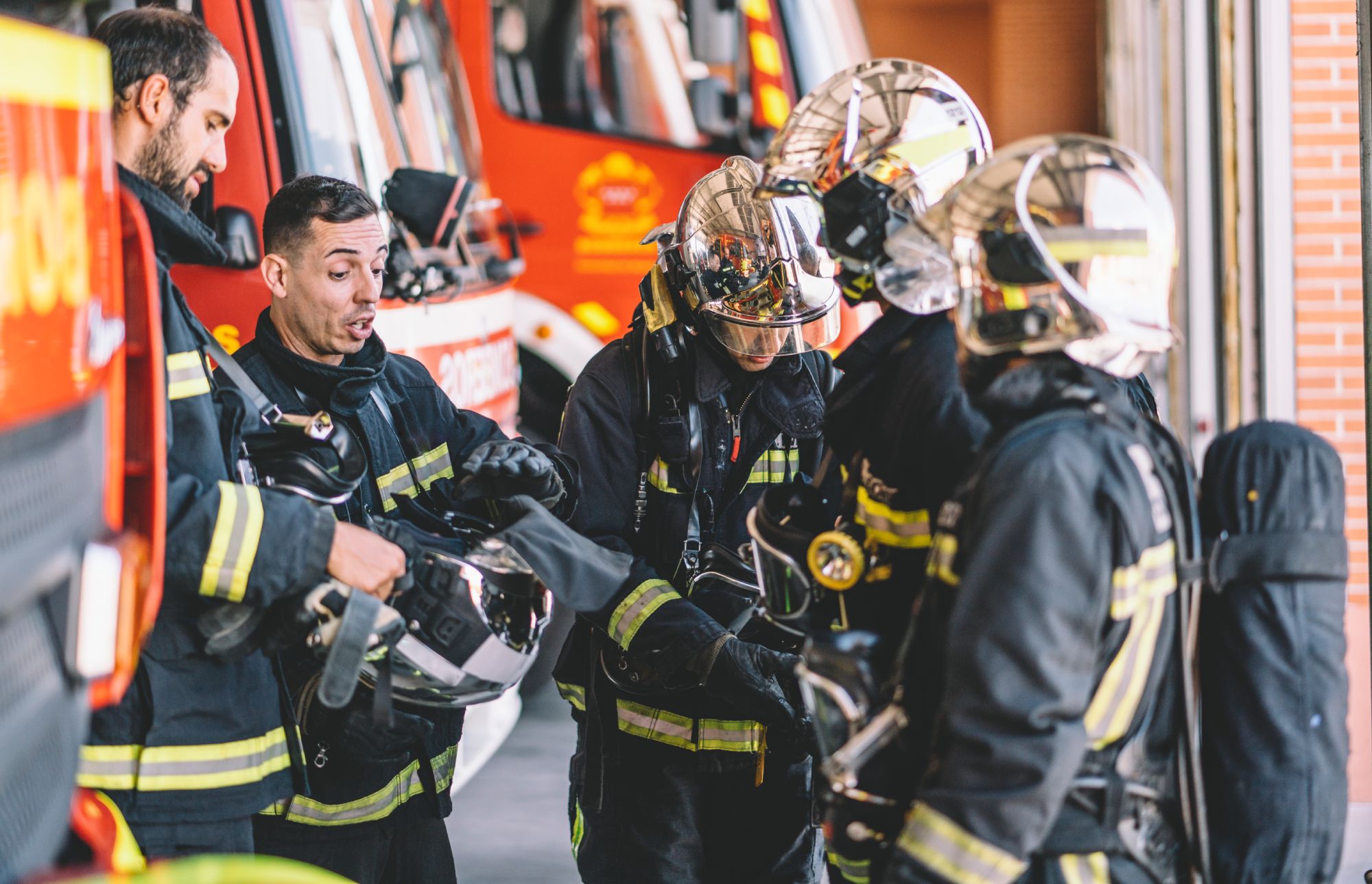
Ad-hoc evacuation takes place in sudden situations that were not foreseen earlier and requires a quick response to an immediate disaster. This is necessary when there is an immediate threat to life or health, such as a fire, gas leak, or other unforeseen emergency situations.
In the case of ad-hoc evacuation, actions are taken immediately, and the main goal is to leave the dangerous zone as quickly as possible and ensure the safety of all people in that area. Planned evacuation concerns situations that can be foreseen and prepared for accordingly. It is used when the threat develops gradually or is predictable. This includes floods, certain environmental hazards, or planned operations related to the removal of unexploded ordnance.
Safe evacuation requires the development of detailed plans, including the designation of routes, assembly points, and the provision of transport and shelter for all people. It also requires coordination between various services and administrative units.
Understanding the different levels of evacuation and their characteristics allows for effective preparation for various threats. Regardless of the scale, the most important things are proper planning, regular training, and coordination of actions between all involved parties. Thanks to this, it is possible to ensure safety and minimize risk for people in crisis situations.