









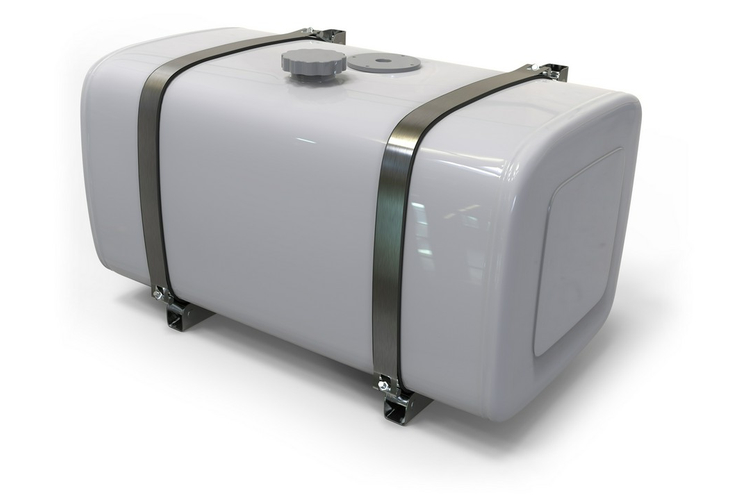
Storing fuels, oils, and other petroleum-based substances is an area where there is no room for improvisation. A single leaking element can mean financial losses, environmental hazards, and legal problems. Therefore, tanks intended for such tasks are designed according to clearly defined principles.
Basic technical properties of storage tanks for petroleum products
Tanks for diesel and other petroleum substances used in the petrochemical industry must maintain stability over many years of operation, often in difficult conditions. They are exposed to contact with fuels, variable temperatures, and mechanical loads resulting from operation. Therefore, their design should limit the risk of failure without the need for additional external protection.
Chemical and mechanical resistance of materials
For the production of diesel tanks and tanks for other petroleum substances, materials resistant to liquid fuels, oils, and other compounds are used. In their case, protection against corrosion, which could lead to the weakening of the walls, is crucial. Mechanical strength is equally important – the tank must withstand ground pressure, transport, and installation. In practice, double-walled structures are often encountered. The second wall acts as a safety feature, increases the rigidity of the entire system, and absorbs any potential loads. Thanks to this, there is no need to build separate containment basins.
Tightness and leak protection
Tightness is an absolute fundamental when it comes to diesel tanks. The double-walled construction allows for monitoring the space between the walls and quick detection of leaks. Modern models use monitoring systems that react even before a leak occurs to the outside. Such solutions reduce the risk of soil and sewage system contamination.
Types of tanks used in the petrochemical industry
The choice of tank depends on the location and method of use. In practice, there are several basic types:
- single-walled and double-walled tanks for fuels and oils, used, among others, in workshops, transport bases, and at gas stations,
- above-ground and underground tanks, differing in the method of installation and protection against external factors.
Each of these variants serves a different function, but all must meet the same requirements regarding tightness and resistance.
Safety and legal standards regarding the storage of petroleum products
The storage of petroleum products is subject to strict regulations. Diesel tanks must comply with European standards regarding wastewater treatment and directives regulating construction products. In Poland, there are also regulations concerning non-pressure tanks that specify the conditions for their operation. Confirmation of meeting the requirements is provided by certificates issued by independent research units. The safety of using diesel tanks can be evidenced by the warranties offered for them. For example, models sold by the MiM company are covered by a 5-year tightness warranty.
Key information about diesel and other petroleum substance tanks
- Tanks for storing petroleum products must be chemically and mechanically resistant.
- Double-walled construction increases safety and eliminates the need for additional protection.
- Both single-walled and double-walled storage tanks are used in the industry.
- Compliance with standards and certification are a condition for the legal use of tanks.
FAQ
Which tanks are most commonly used for liquid fuels?
Double-walled tanks, both above-ground and underground, are most commonly used due to their high level of protection.
What factors should be taken into account when choosing a tank for storing petroleum substances?
When choosing a tank, capacity, type of construction (single- or double-walled), chemical resistance of materials, installation location, and compliance with applicable standards and safety regulations are important.
Does every diesel tank need a certificate?
Yes, certificates confirm compliance with standards and are required for technical acceptance and operation.