









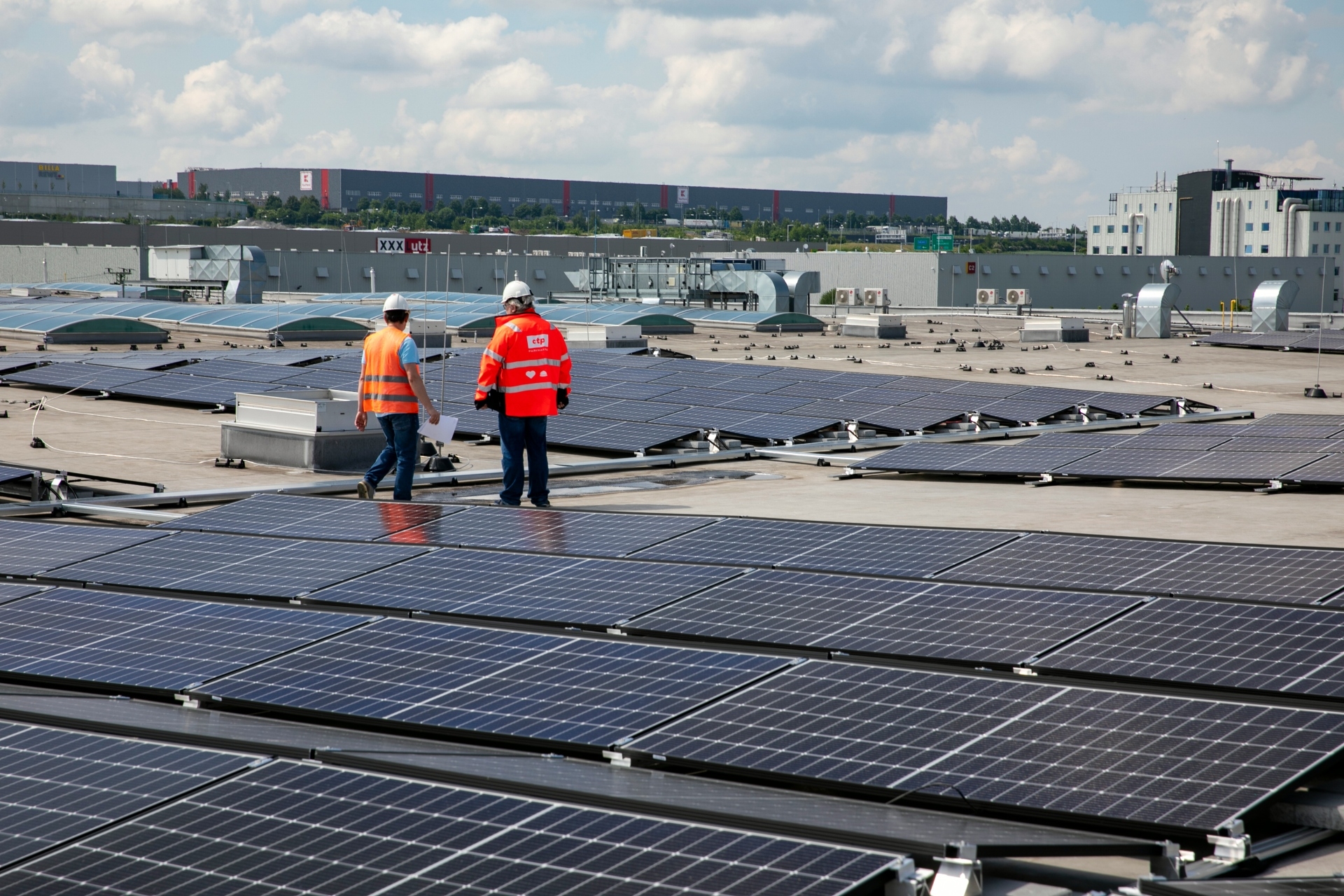
Labor market data clearly shows that managing turnover in the industrial and warehousing sector is becoming a strategic challenge for companies today. Over the last two years, 43% of warehouse workers and 25% of production staff have changed employers, and even more – 56% and 45% respectively – express a readiness to do so. The latest CTP report, “Employee Wellbeing: From Turnover to Retention,” indicates that non-wage factors are increasingly determining the decisions of employees. Are companies ready to face this new structure of expectations?
Wellbeing has long remained the domain of initiatives aimed at office workers – benefits, flexible forms of work, or health programs. However, the perspective is clearly broadening. There is a growing awareness that the “blue-collar” sector requires equally significant attention and investment. A simple conclusion emerges from the CTP study conducted among production and warehouse workers employed in facilities built by various developers: physical work in Poland is undergoing a profound transformation. Employees today expect not only adequate pay but also an environment that does not exhaust or burden them. Although for 51% of respondents higher earnings remain the main reason for seeking new employment, as many as 28% feel undervalued, and another 28% do not see development prospects in their current company. In the reality of a fast pace and growing awareness of one’s own needs, comfort understood as a dignified, predictable, and well-organized workplace is gaining importance. 11% of respondents point to the importance of these basic conditions, mentioning clean locker rooms, a canteen, or the appropriate temperature in the hall. The willingness to apply for a new position is therefore determined by specific daily working conditions: for 51%, ergonomic workstations are key, and for 49%, modern air conditioning and heating.
PCompanies in the manufacturing and warehousing sectors in Poland are currently facing challenges that go beyond traditional performance and profitability indicators. Dynamic market changes make the skillful management of team wellbeing one of the key elements of competitive advantage. Physical workers clearly communicate that they expect more than just the certainty of being paid on time – they need conditions that allow them to work effectively and build a sense of belonging. In this context, environmental and organizational factors, as well as the building itself, are of key importance. Modern business parks are ceasing to be purely operational spaces. They are becoming holistic work environments, offering appropriate amenities, comfortable social facilities, and convenient transport infrastructure that realistically impacts the daily experience of teams.
emphasizes Piotr Flugel, Managing Director at CTP Poland
When the workspace influences the employer’s assessment
Importantly, almost three-quarters of respondents (72%) declare that they try to give their best at work. The question is: what makes employees want to apply for a given position at all? The study shows that, apart from remuneration and the type of contract, what counts most are solutions that realistically facilitate daily functioning. The most frequently indicated are: subsidies for commuting or the provision of collective transport (55%), and meal subsidies or access to a canteen (51%). It is these elements that most influence the attractiveness of an offer and often determine whether a candidate will decide to apply at all.
Against this background, the results regarding the work environment itself are particularly telling. Only 46% rate the building in which they work positively. The most frequently indicated inconvenience is excessive noise, which affects more than 7 out of 10 respondents. Other problems include excessively high temperatures (69%) and insufficient access to daylight (62%).
WThe focus of industrial and logistics developers should be not only on the tenant but also on their team. By taking into account the needs of employees, we can create a portfolio of investments that is recognizable at the level of the individual warehouse user. This opens a completely new stage in the development of the industrial and logistics sector – a moment when user experience becomes just as important as it is in offices or shopping centers. For tenants, this means real operational support: easier recruitment, higher retention, and more stable plant operations.
emphasizes Krzysztof Lisiecki, Head of Property at CTP Poland
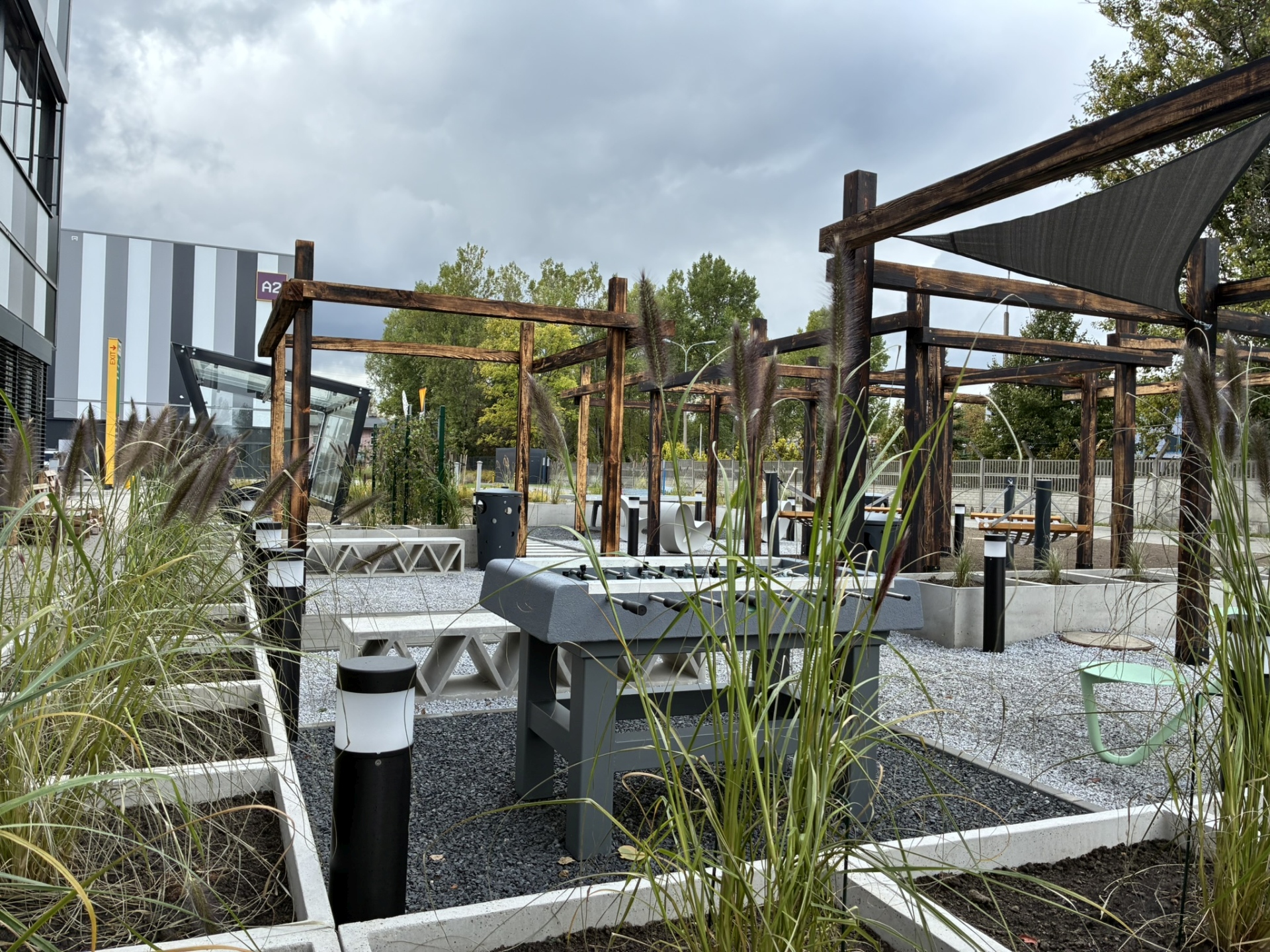
Between pace and routine: what burdens physical workers?
The work environment affects not only physical comfort but also indirectly the mental condition of employees. For more than half of those employed in production and warehouses (56%), it is crucial that work does not negatively affect their well-being, yet the reality often looks different. 43% of respondents regularly feel stress related to the pace and requirements, and 45% perceive their work as monotonous. The combination of pressure and routine carries serious consequences – 29% of physical workers have experienced professional burnout. At the same time, only less than half of the respondents declare that they manage to maintain a proper work-life balance. So, what specific solutions and benefits can realistically relieve teams and improve their daily functioning?
Expectations regarding non-wage benefits differ clearly depending on the nature of the work and the life situation of the employees. Warehouse workers, more often than production workers, pay attention to benefits supporting physical activity and personal development. The largest differences concern sports cards (+11 p.p.), training and courses (+9 p.p.), and on-site gyms (+6 p.p.).
Even more visible discrepancies appear between parents and childless individuals. The former group more often expects benefits that relieve the household budget, such as holiday subsidies or tourist vouchers (49% vs 45%). In turn, employees without children prefer time for themselves. The possibility of obtaining additional days off beyond vacation was indicated by 40% of them, compared to 33% of parents.
As the results of our study show, a real advantage is gained by ensuring silence in a noisy environment, facilitating difficult commutes, understanding that an on-site nursery is worth more to a parent than a bonus, and that a shared canteen builds more loyalty than a company event. The future belongs to those employers who can see and address the real, human needs of their teams. As a result, they will transform the workplace into a space where people want to be, not just work. This means investing in comfort, taking care of mental health, supporting interpersonal relationships, and actively engaging in the life of the local community.
– summarizes Katarzyna Karczewska, Head of HR at CTP Poland.
The full report, along with a checklist for warehouse investment tenants indicating the key elements necessary to ensure employee wellbeing, is available at the link:
Source: CTP