









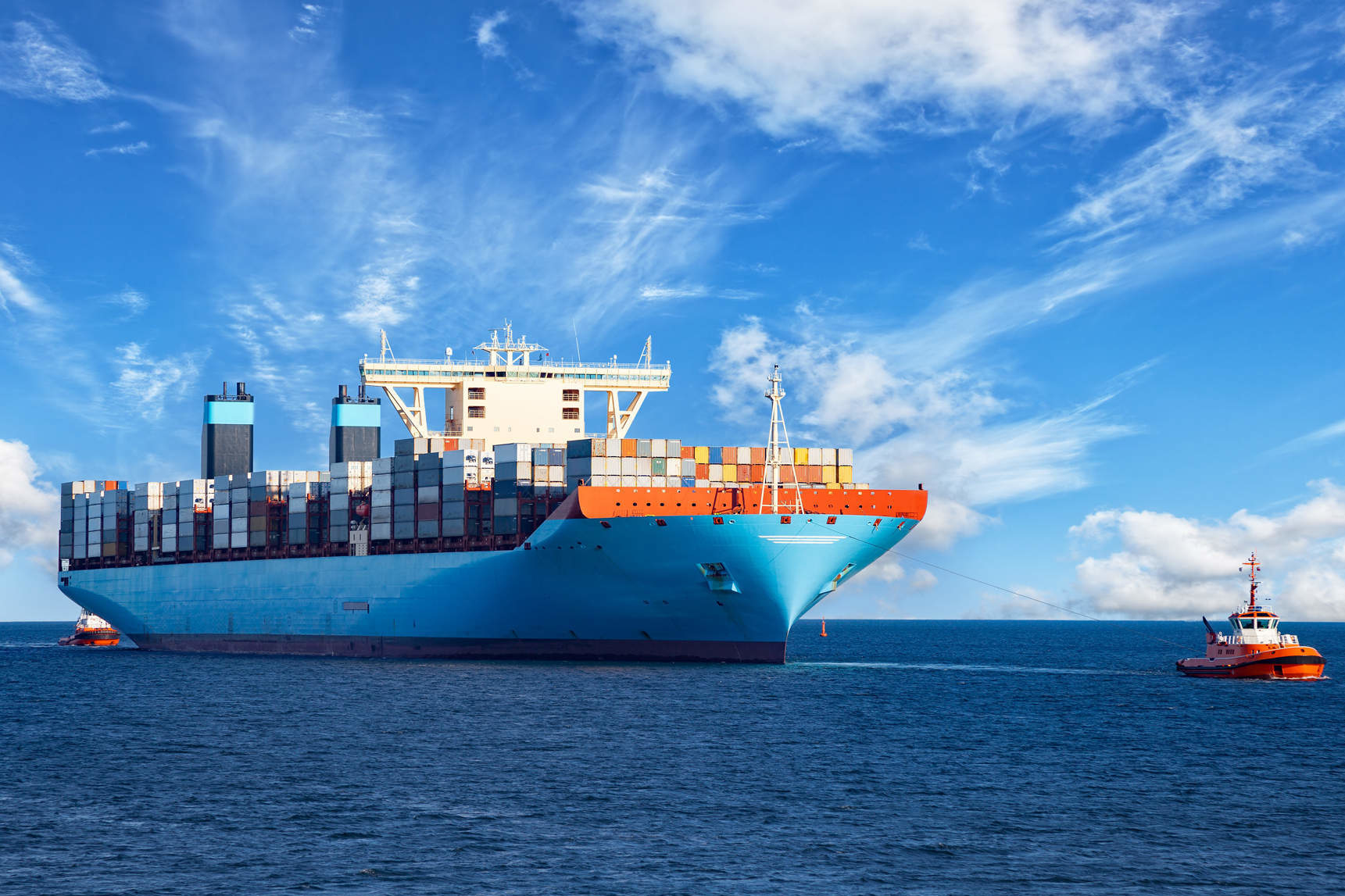
Sea freight is currently experiencing a rather turbulent period, and one of the most important shipping routes is struggling with growing threats that hinder the free flow of goods. The Red Sea, so vital for connections between Europe, Asia, and Africa, has become a critical point on the map of major maritime routes as a result of intensifying attacks on ships since November last year.
The Red Sea plays a fundamental role in global shipping, connecting the Mediterranean Sea with the Indian Ocean via the Suez Canal. As much as 12-15% of global trade and approximately 22% of maritime container transport pass through this narrow strait [United Nations Conference on Trade and Development UNCTAD]. This route not only enables faster transport of goods but also significantly reduces logistics costs. Energy raw materials, i.e., crude oil and gas, are particularly important commodities transported through these waters. Therefore, any blockade or disruption of shipping in this region can have serious consequences for global supply chains and the stability of energy markets.
Unfortunately, the armed conflict in Yemen, which has been ongoing since 2015, has drastically increased the risk of dangers in the waters around the Arabian Peninsula. However, the main threat comes from the Houthi rebel group, supported by Iran. Their actions strike not only at the safety of merchant ships and their crews but also at tankers and the entire maritime infrastructure.
Reaction of the international community and alternatives for shipowners
In response to the growing threats, the international community has taken action to secure shipping. International naval forces, including the navies of the USA, Great Britain, and France, are patrolling the waters of the Red Sea, striving to ensure the safety of merchant vessels.
However, as estimated by UNCTAD at the beginning of 2024, transits through the Suez Canal fell by 42% compared to the peak. Given that major players in the shipping industry have suspended routes through the Suez Canal, weekly container ship transits have fallen by 67%, and container capacity, tanker, and gas carrier transits have recorded equally severe declines.
To minimize the risk of attacks, shipowners are looking for alternative solutions, and the most commonly used strategies currently include:
- The route around the Cape of Good Hope – although longer, it allows avoiding the region threatened by attacks, but it involves extended transport time. Sailing this alternative route means an additional approximately 6,000 nautical miles, which for a typical ship means another two weeks of the voyage. One must also count on increased costs, usually dependent on factors such as crude oil prices, freight rates, and market conditions. It is estimated that in some cases, costs can increase by as much as 30-40%, mainly due to higher fuel expenses and extended delivery times. In the case of tankers or large container ships, fuel costs constitute a significant part of total operating costs. Moreover, delays in deliveries can affect entire supply chains and cause financial losses related to delays in the delivery of goods.
- Military escort – this option reduces the risk of attacks, but it is not always available and generates additional costs. Depending on the region, escort fees can range from several to several tens of thousands of dollars per voyage. In some cases, this means an increase of even 10-15%. Additionally, very often, shipowners must pay for dedicated insurance for high-risk areas, known as “war risk insurance.” The costs of such policies can double or even triple depending on the intensity of the threats. The entire process can also be very time-consuming and requires the implementation of additional security procedures, route changes, or the need to adapt to the escort schedule. This can extend the travel time by even a few days and often involves forced stops in port or at key points on the route, such as the Bab al-Mandab Strait. It is also worth keeping in mind that escorted ships often have to adapt to the speed of the military convoy, which further extends the voyage time.
- High-risk insurance – insurance covering losses related to attacks is very expensive, but it is being used more and more often.
- Using alternative ports – shipowners are increasingly using ports located outside the conflict zone, which, however, involves additional logistics costs.
The increase in sea freight costs is affecting the entire global market. According to the SCFI (Shanghai Containerized Freight Index), a 40% jump was recorded at the end of December 2023, which is one of the highest increases since 2009. Freight prices on key routes, such as Shanghai-Northern Europe, increased by 80%, and Shanghai-US West Coast by 38%. These changes in rates are affecting global supply chains, extending transport time and increasing costs for importers, especially in regions such as Europe and the United States.
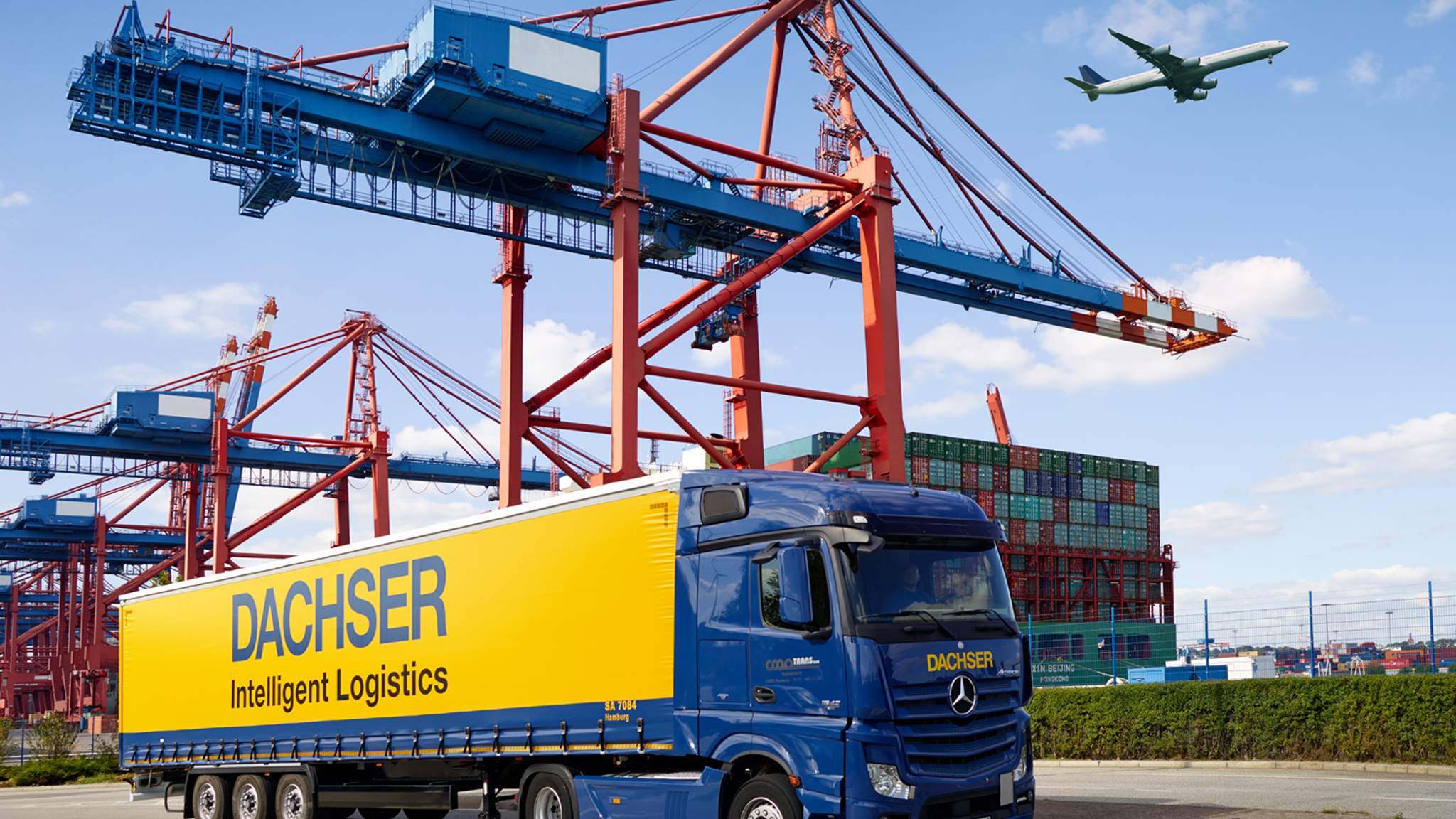
Safely and on time with DACHSER
In the face of growing threats in the Red Sea, DACHSER offers flexible and secure logistics solutions within the framework of LCL (Less-than-Container-Load) transport. This type of transport is particularly suitable for globally operating customers who regularly ship large quantities of goods, but not large enough to fill an entire container. In the case of LCL, space in the container is shared among several recipients, which provides greater flexibility, and regular weekly sailings shorten transit time. Access to the global DACHSER network is also of great value, and thanks to combining sea transport (Air & Sea Logistics) with road transport (European Logistics), one can be sure that shipments will arrive safely and on time.
– In such a complicated situation as sea freight is undoubtedly in right now, with frequent changes and delays in carrier schedules, we focus on providing our customers with optimal solutions and up-to-date information, including information regarding alternative transport routes. In such conditions, an individual approach to the customer becomes even more important, especially when selecting appropriate routes and means of transport. However, in the case of the most critical connections on the Europe – Asia, India-Pakistan-Bangladesh-Ceylon (IPBC), and Europe – Middle East routes, we recommend that our customers include an additional 3-4 weeks in their transport planning – comments Marcin Długosz, Director of DACHSER Air & Sea Logistics in Poland.
Thanks to reliable and regular LCL services at DACHSER, the transport of less-than-container-load shipments between and within Asia, Europe, Southern Africa, and both Americas is effectively managed both physically and informationally. Meanwhile, constant verification and adjustment of the offer to market requirements allow for rapid adaptation to changes. An example is the latest novelty in the Air & Sea Logistics offer and the recently launched new regular LCL connection between the port of Rotterdam and several ports in Asia with fixed departure times. For these LCL connections, DACHSER uses its own container consolidations, which further accelerates and increases the security of the transports carried out.
Source: Dachser