








The decision for the United Kingdom to leave the structures of the European Union has caused significant changes in the area of trade and transport. The transport industry has had to face new challenges and regulations. The introduction of customs procedures and the intensification of border controls are just some of the aspects that have significantly affected the functioning of today’s transport business and the efficiency of logistics processes.
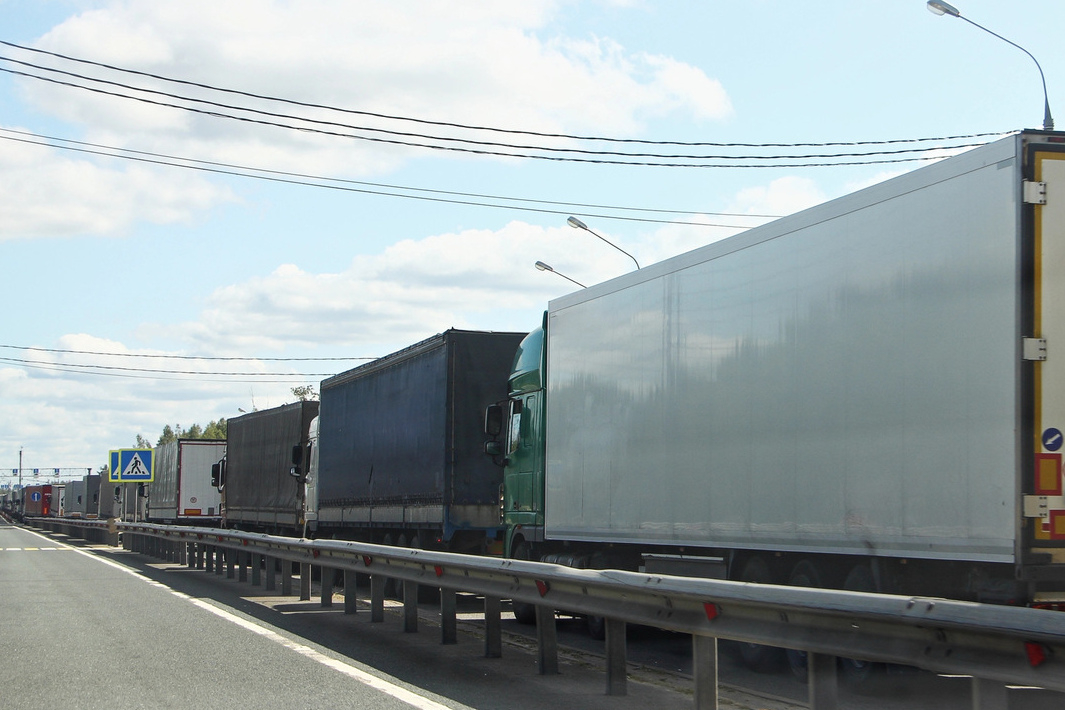
The consequences of the United Kingdom’s exit from the European Union, i.e., Brexit, are noticeable in numerous business sectors. Trade transactions between the UK and European Union countries are now subject to customs and tax procedures. For this reason, companies have had to adapt to new rules, which has led to increased costs and longer delivery times. For example, the time currently required to complete a transport has increased significantly – usually from two or three days to as many as six. Border stops alone have extended to up to 20 hours. Moreover, according to the Road Haulage Association, rates on the UK-EU route have increased by as much as 700 percent, which is related to increased bureaucracy and potential delays associated with border controls.
A consequence of the new reality has been an alarming drop in the number of shipments – after Brexit, they decreased by one-third, which is also visible in the Polish transport industry. According to data from the Polish Economic Institute, Brexit contributed to a decrease in the export of Polish goods from 5.7% in 2020 to 4.9% during the 10 months of 2022. In turn, according to data from the Financial Observer, despite the fact that until 2020 the UK was one of the more important destinations for Polish carriers, who transported 4.7 million tons of cargo, after Brexit, the tonnage of shipments decreased by 24%.
– Unfortunately, many carriers are leaning towards giving up transport to the United Kingdom. This is due to uncertainty, increased costs, and delays. This type of trend is confirmed by data – the number of companies giving up transport has increased by 30%. In turn, the availability of drivers has fallen by 20% – says Maciej Maroszyk, Operations Director at TC Kancelaria Prawna.
Hence, it is now crucial to have a thorough understanding of the applicable regulations and to seek solutions that will enable the transport industry to function effectively in the new reality after Brexit.
Brexit regulatory challenges
To be able to continue their operations after the United Kingdom’s exit from the European Union, carriers must face a new level of restrictions. This includes, among other things, the need to have an EORI (Economic Operator Registration and Identification) number, which is necessary for conducting trade transactions between the UK and European Union countries. The number, assigned under the Community System for Registration and Identification of Economic Operators, allows for the legal and smooth import or export of goods and the conduct of operations in international markets.
Moreover, carriers must comply with rules related to the illegal entry of immigrants into the United Kingdom. These individuals often cross borders by hiding in vehicles or trailers, and the discovery of this fact during an inspection carries the risk of high financial penalties for carriers.
– To avoid them, Border Force accreditation is required. It allows for a reduction in the fine if the carrier proves that it has complied with the security control procedures set by the Border Force, i.e., the British customs services. Obtaining accreditation requires demonstrating that the carrier has implemented control procedures and trained drivers on how to prevent immigrants or other unauthorized persons from entering the vehicle. The Border Force also conducts vehicle security checks, and a lack of adequate security can result in the imposition of high financial penalties – explains the expert from TC Kancelaria Prawna.
Carriers must also reckon with the British HGV Levy road tax. It covers all heavy goods vehicles weighing over 12 tons registered outside the United Kingdom. This type of taxation is intended both to regulate road traffic and to generate revenue for the British authorities. For carriers, this is a significant financial challenge that requires proper consideration in operational plans and cost estimates.
– In addition, under the London Direct Vision Standard program, vehicles with a gross vehicle weight of over 12 tons must have a permit to enter the London metropolitan area. One must also comply with Low and Ultra Low Emission Zones (LEZ and ULEZ) in London and its immediate surroundings. The LEZ zone covers most of the so-called Greater London area and is in effect all year round, while the ULEZ zone (operating all year except for Christmas) currently extends to the North Circular Road (A406) and the South Circular Road (A205). This constitutes another, additional challenge for carriers – adds the expert from TC Kancelaria Prawna.
Changes in cabotage and intermodal transport
A significant change is also the ban on cabotage transport without cargo within the United Kingdom, which has been applied to companies from the European Union. The new regulation prevents the performance of additional internal transport after the main cargo has been delivered. Cabotage can only be performed after unloading, and carriers are obliged to enter the United Kingdom with goods. Furthermore, this type of transport now has a limit that restricts transport to two domestic routes within seven days of delivering cargo in international traffic. Consequently, carriers must plan routes extremely strategically, maximizing the efficiency of their deliveries.
– Restrictions have also been introduced in the case of intermodal transport – currently, some of its types cannot be performed. EU carriers are not entitled to perform combined transport operations in the United Kingdom. Shipments are carried out exclusively in their entirety by the same vehicle or combination of vehicles. These changes force carriers to adapt their operations to the new regulations, which may require rethinking and restructuring existing action plans – says Maciej Maroszyk from TC Kancelaria Prawna.
International regulations and their impact on transport
In the context of the new rules for the transport of goods within the United Kingdom, international regulations are not without significance. Importantly, EU carriers have retained the right to perform trips in cross-trade traffic, but they will need to have a permit issued by the European Conference of Ministers of Transport (ECMT). This document allows for an unlimited number of trips between ECMT member countries, with the progress of each trip having to be documented in a properly completed logbook. This permit is of significant importance for the fluidity of transport and international regulations in the transport sector.
– Another important aspect is the implications of the new import restrictions after Brexit, especially in the context of trade in animal products. The introduction of new restrictions on products of animal origin, as well as other goods covered by the TOM (Trade and Marketing Standards) regulation, has significantly affected logistics processes and customs procedures. Adapting the operations of transport companies to the new regulations can lead to additional costs and delays in deliveries. In the face of these changes, close cooperation between transport companies and regulatory bodies plays a key role in ensuring compliance with applicable regulations and the fluidity of international transport – says the expert from TC Kancelaria Prawna.
Functioning in the new reality
In the face of new regulations, a thorough understanding of the requirements and consistent adaptation to the new challenges after Brexit is becoming key for the transport industry. It is important to continuously monitor changes in regulations and seek support from experienced law firms that will help in interpreting new regulations, provide legal advice, and be able to provide comprehensive legal and business services. This will enable effective adaptation to the new regulations and minimize the risks associated with transport to the United Kingdom.
– The adaptation of carriers to the new Brexit regulations is essential for maintaining competitiveness and operational efficiency in the new conditions. And suggestions regarding further actions for the industry in the context of the changing regulatory environment include, among others, continuing to monitor changes in regulations, focusing on modern logistics solutions, and constantly improving personnel in order to adapt to the new requirements of the British market – concludes Maciej Maroszyk from TC Kancelaria Prawna.
Source: TC Kancelaria Prawna