








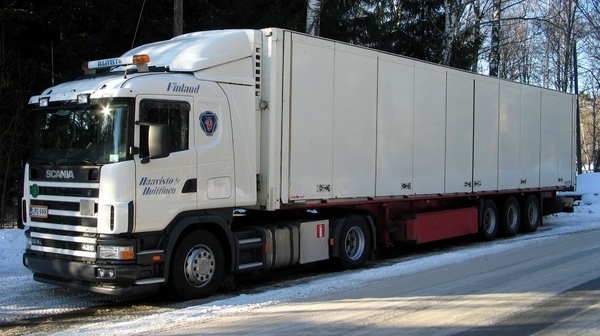
Distribution logistics is a complex system through which goods of preferred quality safely reach the customer via the entrepreneur. The entire process of caring for the goods begins with entry into the warehouse, storage, picking, loading, and finally delivery to the interested final recipient.
Distribution logistics closely integrates warehouse, inventory, and transport management. One of the pillars of product transport is food transport. These products require special treatment throughout the entire logistics process.
The transport of food products is one of the main stages in the food chain. Not only the sensory quality of the product but especially its health quality depends on the transport itself. This is influenced by transport conditions, inspections, and staff training. Large food distribution centers mainly use road transport, as it is functional and flexible. Each type of food product requires transport conditions to be adapted to its specific nature.
The purpose of this article is to describe the most important aspects related to safety in the transport of meat in the light of applicable Polish legal regulations.
Legal regulations concerning food transport conditions
The transport of food, especially perishable food, is a very difficult task for a carrier to perform. Unforeseen changes in conditions during transport and irregularities in the body structure can contribute to a decrease in the quality of transported products, as well as to a threat to the health safety of consumers. To provide the consumer with a sense of security, legal protection is necessary, i.e., appropriate regulations concerning food health safety. All European countries, especially those that are members of the European Union, strive to implement compliance with food legislation, the goal of which is to protect public health, ensure safety, enable free trade, and ensure fairness in commercial transactions.
Transport and storage are essential links in the logistics chain of food products, which is why control measures are necessary at every stage of this chain. Every enterprise in the chain should assess and implement measures that will ensure food safety from the moment of the first shipment through to deliveries to final destinations. Food companies, focusing on the quality of their products, are increasingly applying internal international food safety standards to provide the contractor with a high-quality product.
The article contains 24,290 characters.
Source: Logistyka Magazine